7 Signs Your Connecticut Roof Needs to Be Replaced (Not Just Repaired)

If your roof is showing damage but you're not sure whether to repair or replace it, the answer usually comes down to age, the type of damage, and how widespread it is. As a rule, when problems start showing up in multiple areas at once, replacement is almost always the smarter call.
At JC Tonnotti, we've worked on hundreds of Connecticut homes, and we see the same pattern again and again: homeowners hold off on replacement for years past the point where it would have saved them money. This guide walks you through the seven clearest signs your roof has reached the end of its life, the CT-specific damage to watch for, and how to make the right call between repair and replacement.
When Replacement Is the Smarter Choice Than Repair
A repair makes sense for isolated, recent damage. A replacement makes sense when the roof has reached the end of its useful life or when damage is widespread.
How to Tell If You've Crossed the Line from Repair to Replacement
Most repairs work well when the rest of the roof is healthy. Once damage shows up in multiple places at once, you're usually paying to extend a roof that's already failing.
Why Patching a Failing Roof Often Costs More Long-Term
Each repair adds up. After a few hundred dollars here and a thousand there, many homeowners end up spending close to the cost of a new roof, on a roof that still needs to be replaced soon anyway.
7 Clear Signs Your CT Roof Needs Replacement
Here are the seven warning signs we see most often on Connecticut homes that have moved past the repair stage.
Quick checklist of replacement-level signs:
- Roof is 20+ years old
- Curling, cracked, or missing shingles in multiple areas
- Significant granule loss and visible bald spots
- Sagging sections in the roofline
- Recurring leaks or interior water stains
- Daylight visible through the attic
- Widespread moss, algae, or mold growth
1. Your Roof Is 20+ Years Old
Most architectural asphalt shingle roofs in CT last 20 to 25 years, and 3-tab shingles top out around 15 to 20. After the 20-year mark, even a roof that looks okay from the curb is usually nearing the end of its life. Warranties tell you about manufacturer defects, but they don't tell you how the roof actually holds up after two decades of New England winters and summer storms. If you bought the home and don't know the roof's age, check for a permit on file with your town hall or look for a date stamp on a remaining shingle bundle in the attic. Learn more about realistic roof lifespan expectations in Connecticut.
2. Shingles Are Curling, Cracked, or Missing in Multiple Areas
A few damaged shingles after a storm can be replaced. But when curling or cracking shows up across the whole roof, the shingles have lost their flexibility and won't seal properly anymore. Curling usually starts at the edges and spreads inward. Cracking often appears on south-facing slopes that take the most sun and freeze-thaw stress. Missing shingles in patches, especially after several storms in a row, mean the adhesive strips have failed and more pieces will lift off in the next high wind. When you see all three patterns together on the same roof, it's no longer protecting your home the way it should.
3. Significant Granule Loss and Bald Spots
Shingle granules protect the asphalt underneath from UV damage, and they're the reason asphalt shingles last as long as they do. When you see bald spots where the dark asphalt shows through, or you find handfuls of granules in your gutters, the shingles are breaking down fast. Granule loss is usually heaviest near downspouts, since gravity pulls everything that way after rain. Some granule loss is normal for the first few months after installation, but on a roof more than 10 years old, it's a clear sign of wear. Once bald spots appear, the asphalt below them can fail within a few seasons.
4. Sagging Areas Along the Roofline
A wavy or sagging roofline usually means the decking underneath is rotted, the rafters are bowed, or the structure itself is failing. This is one of the most serious warning signs, and it's almost always a replacement issue rather than a repair. Sagging often appears in valleys, around chimneys, or near the eaves where water tends to collect. You can spot it best from across the street on a sunny day, when shadow lines reveal even slight dips. If the sag is widespread or has gotten worse over time, schedule an inspection right away. A heavy snow load on an already-weakened deck can lead to partial collapse, which is a serious safety issue.
5. Recurring Leaks or Water Stains Inside
One leak in one spot is usually repairable, and our guide on finding and fixing roof leaks walks through the diagnostic steps. Multiple leaks in different areas, or stains that keep coming back after previous leak repairs, mean the underlayment and decking are likely compromised across the whole roof. Look for stains on ceilings, around light fixtures, inside attic insulation, and along exterior walls below the roofline. Even small drips can hide larger problems above. A roof that's already required two or three repair calls in the past few years is usually telling you it's near the end of its useful life, no matter how recent the last repair was.
6. Daylight Visible Through the Attic
If you can see daylight through the boards in your attic, water, pests, and outside air can all get through too. This usually means the decking and underlayment have both failed in those spots. Check on a bright, sunny day with the attic lights off. Small pinpricks of light are sometimes harmless gaps around vents or nail heads, but anything larger than that is a problem. Also look for streaks of light along seams between boards, which suggests the panels are pulling apart from each other. Any visible daylight is a sign that the most basic job of your roof, keeping the outside out, is starting to fail.
7. Widespread Moss, Algae, or Mold Growth
A little moss in one spot is cosmetic. But heavy moss and algae growth holds moisture against the shingles and accelerates rot in the decking below. Moss thrives on shaded, north-facing slopes and in valleys where leaves and debris collect. Once it covers large sections of the roof, the shingles underneath are usually already breaking down. Black streaks running down from the ridge are typically algae, which is mostly cosmetic but signals a damp, deteriorating surface. Cleaning can buy time on a younger roof, but on a roof past 15 years, widespread biological growth is a sign that the surface has lost its protective qualities and full replacement is the safer call.
Connecticut-Specific Damage to Watch For
Connecticut's climate puts roofs through more stress than mild regions. Here's what to look for after a tough season.
Ice Dam Damage and Trapped Moisture
Ice dams form when warm attic air melts snow on the upper roof, and the runoff refreezes when it hits the cold eaves. The trapped water backs up under the shingles, where it soaks the underlayment and decking. After a few bad winters, the damage adds up: stained ceilings, peeling paint along exterior walls, and rotted decking that you can't see until tear-off. Catching the cause early through proper ice dam prevention, including attic insulation and ventilation upgrades, can save a roof from premature replacement.
Storm and Wind Damage After Major Weather Events
Nor'easters, summer thunderstorms, and the occasional hurricane remnant can lift shingles, tear off flashing, and crack roof penetrations like vents or skylights. Check your roof after every major storm, especially if your home is older. Walk the perimeter and look for shingles in the yard, granule deposits at the downspouts, and any visible lifting or curling on the roof surface. Damage often shows up days or even weeks later, as leaks during the next heavy rain. Document any visible damage with photos right after the event in case you need to file an insurance claim later.
Freeze-Thaw Wear on Older Roofs
CT winters cycle between freezing and thawing dozens of times each season. Each cycle causes shingles, sealants, and flashing to expand and contract slightly. Over many years, this stress wears materials down faster than the steady cold of more northern climates or the steady warmth of southern ones. The damage shows up first at edges, valleys, and anywhere water tends to collect and refreeze. A roof installed in CT often has a shorter real-world life than the same brand installed in a milder region, even when the warranties read the same on paper.
Subtle Signs Most Homeowners Miss
These early warning signs often appear years before the obvious problems show up.
- Higher-than-normal heating and cooling bills
- Failing or rusted flashing around chimneys, vents, and skylights
- Shingle granules collecting at the bottom of downspouts
- Cracked or dried-out caulk around roof penetrations
- Streaking or dark stains running down the shingles
Higher-Than-Normal Energy Bills
A failing roof lets conditioned air escape and outside air sneak in. If your bills keep climbing without another clear cause, the roof and attic insulation system may be part of the problem. Poor attic ventilation makes the issue worse, since hot, humid air gets trapped and damages the underside of the decking. Pay extra attention if upstairs rooms feel noticeably hotter in summer or colder in winter than the rest of the house, which is a common signal that air is moving through gaps in the roof or attic.
Failing Flashing Around Chimneys, Vents, and Skylights
Flashing typically fails before the shingles do. Rust, gaps, or lifted edges around any roof penetration is a sign that the most leak-prone parts of your roof have started to give out. Chimney flashing in particular tends to be the first to go, since masonry expands and contracts at a different rate than the roof surface around it. Cracked caulk, visible rust streaks running down nearby shingles, or pulled-away step flashing along the side of a chimney are all early warning signs that water is finding its way in.
Shingle Granules in Gutters and Downspouts
A handful of granules after a heavy storm is normal, especially on a brand new roof. Finding them every time you clean the gutters, or seeing dark sediment piling up at the bottom of your downspouts, is a sign the shingles are breaking down. Run your hand along the inside of the gutter after a rain. If your palm comes away dark with grit, the granule loss is well underway and the protective layer on your shingles is wearing thin faster than it should.
Roof Repair vs Replacement: How to Make the Right Call
This quick comparison can help you frame the decision before you call a contractor.
| Factor | Spot Repair | Full Replacement |
|---|---|---|
| Roof age | Less than 15 years | 20+ years |
| Damage scope | Isolated to one area | Spread across multiple sections |
| Leak history | First or second leak | Recurring or multiple leaks |
| Shingle condition | Mostly intact | Curling, cracking, or granule loss across the roof |
| Typical cost in CT | $300–$1,500 | $8,000–$20,000+ depending on size and material |
| Long-term value | Buys 1–3 years | New roof, 20–30 years of life |
When Spot Repairs Are Still Worth It
If your roof is under 15 years old and the damage is isolated to one area (a single leak, a few storm-damaged shingles), repair almost always makes sense.
When Full Replacement Saves You Money Long-Term
Once you've made two or three repairs in a short time, or once damage shows up in multiple areas, replacement is usually cheaper over the long run. Choosing the right roofing material for CT's climate at this point also extends the life of your next roof.
How Roof Age Factors Into the Decision
A 10-year-old roof with one leak is a repair. A 22-year-old roof with one leak is usually a replacement waiting to happen, because the next leak is rarely far behind.
What Drives the Cost of a Roof Replacement in Connecticut
Most CT roof replacements run $8,000 to $20,000 for an average single-family home with architectural asphalt shingles. The exact price depends on factors that vary widely from project to project.
Cost drivers to expect on your estimate:
- Roof size and pitch. Bigger roofs cost more, but steeper pitches cost extra per square foot because they slow down installation and require additional safety setup.
- Shingle material and quality. Architectural asphalt is the most common choice in CT, but premium shingles, metal roofing, or synthetic slate push the total higher.
- Decking condition. If the wood under your shingles is rotted, replacing it adds $70 to $100 per 4x8 sheet on top of the base cost.
- Tear-off vs overlay. Removing the old roof adds labor and disposal fees, but it's almost always the right call. Roof-overs hide problems and shorten the new roof's life.
- Number of layers being removed. Older CT homes sometimes have two or three layers of old shingles. Each extra layer adds time, weight, and dump fees.
- Flashing, vents, and penetrations. Skylights, chimneys, and multiple vents all add labor and materials.
- Permits and disposal. Most CT towns require permits for full roof replacements, and shingle disposal is regulated by the state.
A reputable contractor will break out all of these factors in a written estimate, so you can see exactly what you're paying for and where you might trim costs without cutting corners on quality.
What Happens During a Roof Replacement
Knowing what to expect can help you plan around the project and spot quality work as it happens.
A typical CT roof replacement follows this sequence:
- Site protection. Tarps cover landscaping, shrubs, and the foundation. Plywood goes up against walls near tear-off zones to protect siding from falling debris.
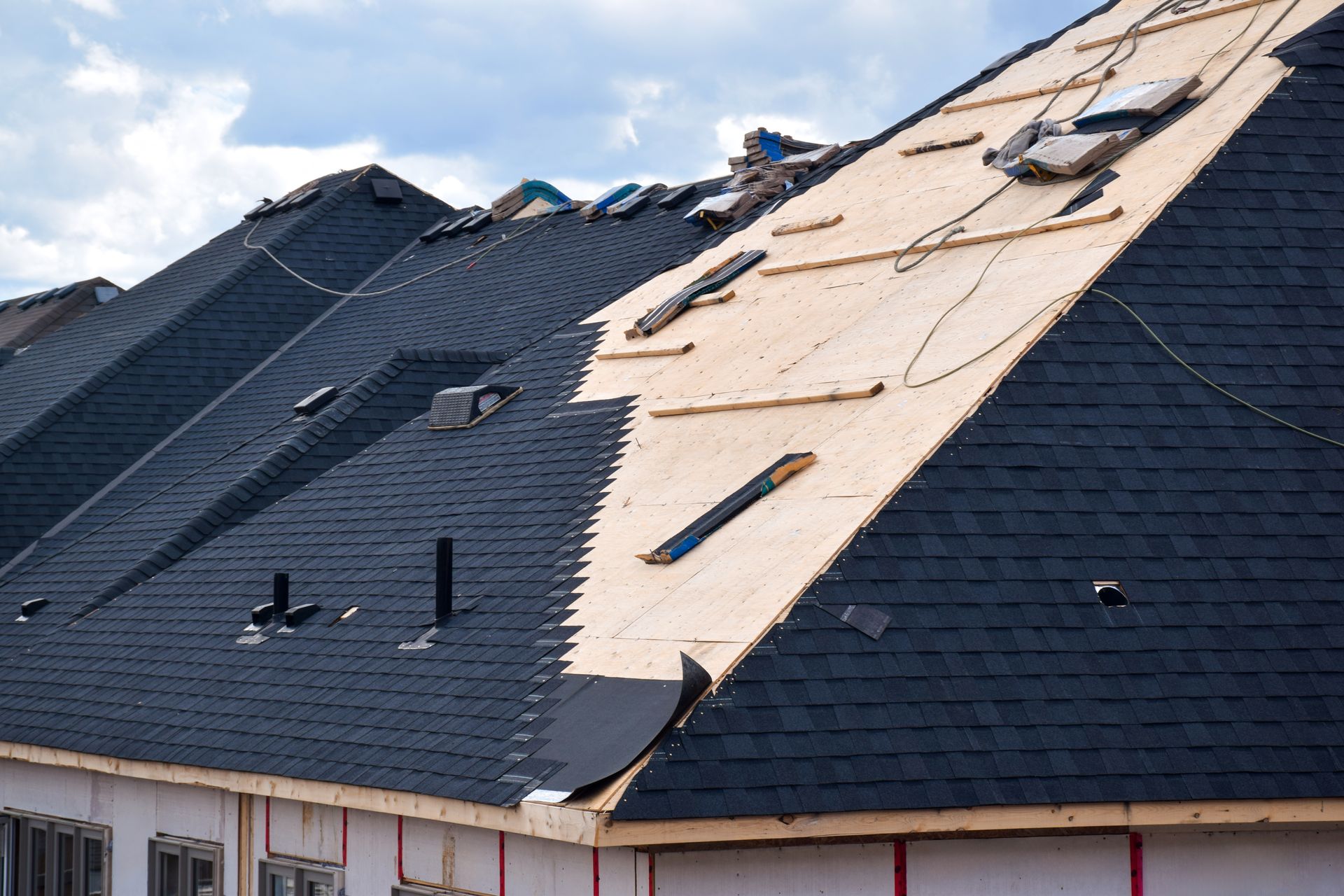
- Tear-off. The old shingles, underlayment, and flashing all come off. This is the loudest and dustiest part of the project, usually done on day 1.
- Decking inspection. With everything exposed, the crew checks every square foot of the wood underneath. Damaged sections are cut out and replaced before anything else goes on.
- Underlayment and ice barrier. Ice and water shield goes on at the eaves, valleys, and around penetrations. Synthetic or felt underlayment covers the rest of the deck.
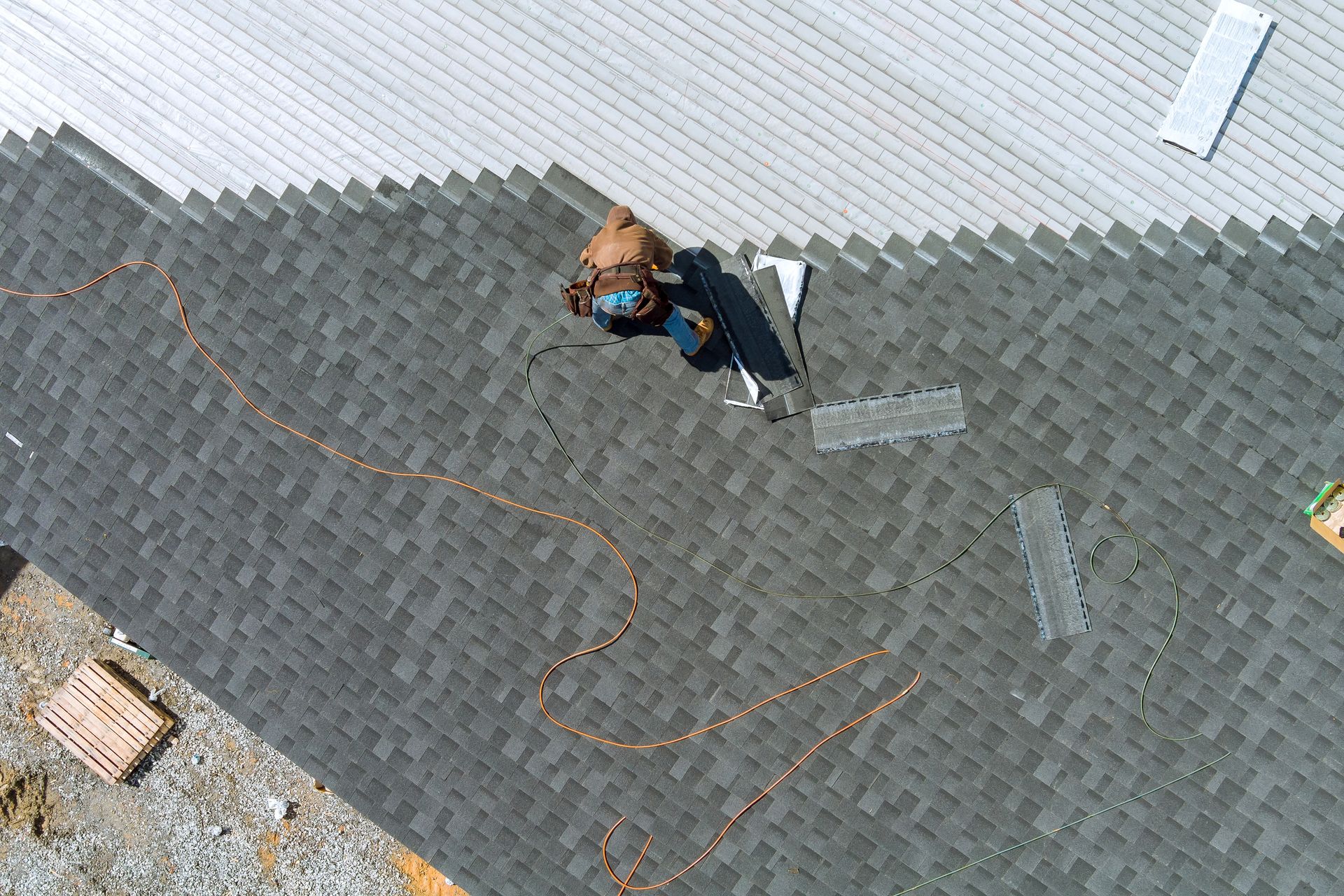
- Shingle installation. Starter strips, field shingles, ridge caps, and flashing all go on in sequence, following the manufacturer's specifications for nail placement and exposure.
- Ventilation work. Ridge vents and intake vents are checked and replaced if needed. Proper ventilation is what gives the new roof its full expected lifespan.
- Cleanup. A magnetic sweep picks up stray nails from the yard and driveway. The crew walks the property to confirm nothing is left behind.
Most CT roof replacements take 1 to 3 days for an average single-family home, plus extra time for decking work or weather delays. Larger homes, complex rooflines, or premium materials can stretch the timeline to a full week.
What to Do If You Spot These Warning Signs
If any of the signs above match what you're seeing, here's how to act before the damage spreads.
- Take photos of any visible damage from the ground
- Check the attic for water stains, mold, or daylight
- Save copies of any past repair invoices and insurance claims
- Schedule a professional roof inspection within 1 to 2 weeks
- Ask for a written repair vs replacement recommendation with costs
Don't wait until the next major storm to act. A roof that's already showing replacement-level signs will usually get much worse, much faster, after heavy weather.
Schedule a Free Roof Inspection in Connecticut
If you've noticed two or more of the warning signs in this guide, a professional roof inspection is the smartest next step. A good inspection gives you a clear picture of what's repairable, what's failing, and what a realistic replacement timeline looks like for your home.
Here's what's included in a JC Tonnotti roof inspection:
- A full walk of the roof surface, eaves, and roof edges
- An attic check for water stains, ventilation issues, and decking damage
- Photos of any problem areas, documented in writing
- A clear repair vs replacement recommendation
- A written estimate with itemized costs, with no pressure to decide on the spot
Inspections are free for Connecticut homeowners and typically take 30 to 60 minutes. Reach out to JC Tonnotti to schedule your free roof inspection, or call our team to set up a time that works for your schedule.
Frequently Asked Questions
How long does an asphalt shingle roof last in Connecticut?
Most architectural asphalt shingle roofs in CT last 20 to 25 years. 3-tab shingles tend to last 15 to 20 years. Quality of installation and attic ventilation make a bigger difference than the warranty on the box.
Does homeowners insurance cover roof replacement?
Insurance usually covers roof damage from sudden events like storms, hail, fallen trees, or fires. It typically does not cover age-related wear, neglect, or roofs that are already past their expected lifespan when the damage occurs.
How much does a roof replacement cost in CT?
Most CT roof replacements run $8,000 to $20,000 for an average single-family home with architectural asphalt shingles. Larger homes, metal roofs, or roofs with major decking damage can run higher.
Is it cheaper to repair a roof or replace it?
A repair is always cheaper up front. But if you're making repairs every year or two on a roof over 18 years old, the running total usually catches up to the cost of replacement within 3 to 5 years.
Can I just replace part of my roof?
Partial replacement is possible if the damage is limited to one slope or side, but it's not always the best long-term choice. Mixing new and old shingles can create visible color differences and may shorten the warranty on the new section.
Share this post
OTHER BLOG POSTS