Are Storm Windows Worth It? What CT Homeowners Should Know Before Buying

What Are Storm Windows?
Storm windows are secondary window panels installed on the interior or exterior of your existing windows to add an extra layer of protection against the elements. They've been used in New England homes for decades, and they remain a practical solution for improving comfort and energy efficiency without replacing your primary windows. At JC Tonnotti, we've helped Connecticut homeowners navigate window upgrades of all kinds, from full replacements to storm window retrofits, and we understand the real-world performance differences that matter most in our climate. This guide gives you the straight answers you need to decide whether storm windows are the right investment for your home.
How Storm Windows Work
Storm windows create an insulating air pocket between the storm panel and your existing window. That trapped air space acts as a thermal buffer, slowing heat transfer and reducing drafts. The concept is simple but effective. By adding a physical barrier against wind, rain, and cold air, storm windows help your existing windows perform closer to the level of modern double pane units. Some storm windows also feature low-e coatings that reflect heat back into the room, further boosting their insulating value.
Types of Storm Windows (Interior vs Exterior)
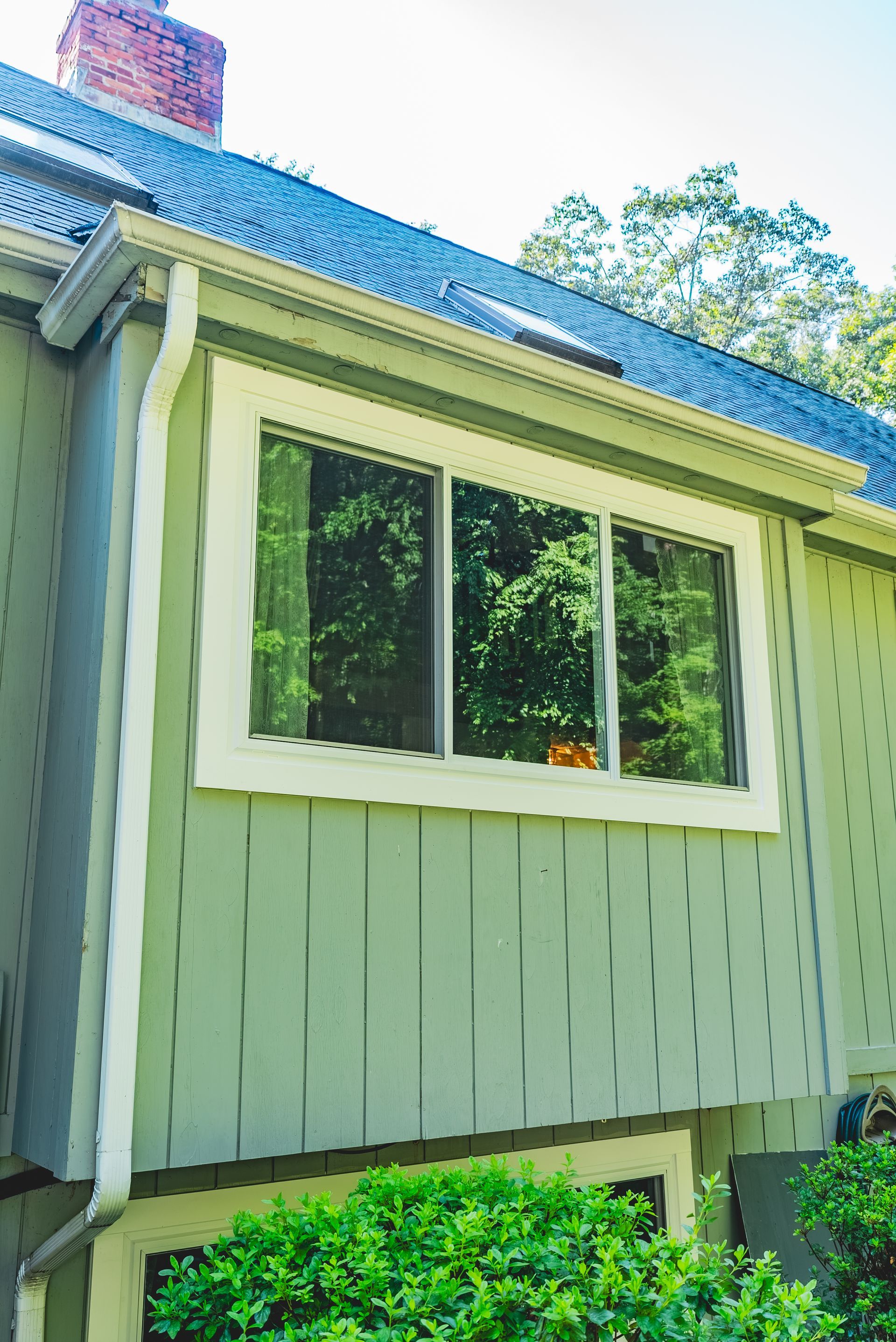
Exterior storm windows are the most common type. They mount to the outside of your existing window frame and are available in aluminum, wood, or vinyl frames. Many modern exterior storm windows are triple-track designs that include two glass panels and a screen, allowing you to adjust ventilation seasonally without removing the unit.
Interior storm windows mount inside the window frame, pressing against the existing sash. They're often made from acrylic or polycarbonate and attach with magnetic strips, compression fittings, or clips. Interior storm windows are popular for historic homes where altering the exterior appearance isn't an option, and they're generally easier to install as a DIY project.
When Storm Windows Are Typically Used
Storm windows are most commonly added to older homes with single pane windows that are still in good structural condition. They're also a go-to solution for homeowners in historic districts who need to preserve original windows while improving energy performance. In Connecticut, storm windows see heavy use in homes built before the 1980s where full window replacement either isn't in the budget or isn't desirable for architectural reasons.
How Storm Windows Improve Energy Efficiency
Reducing Air Leaks and Drafts
One of the biggest energy drains in an older home is air leakage around windows. Storm windows seal over the existing frame, blocking drafts that slip through gaps, worn weatherstripping, and loose sashes. The U.S. Department of Energy notes that storm windows can reduce air leakage by up to 50 percent when installed correctly. For Connecticut homeowners dealing with cold drafts every winter, that difference is immediately noticeable.
Improving Insulation for Older Windows
A single pane window on its own offers very little insulating value. Adding a storm window essentially converts it into a double-layered system with an insulating air gap. That upgrade can cut heat loss through the window by 25 to 50 percent depending on the type of storm window and how well it's sealed. Low-e storm windows perform at the higher end of that range by reflecting radiant heat back into the living space. For a deeper look at how window upgrades and insulation work together, our guide on insulation and minimizing heat loss in your CT home covers the full picture.
Impact on Heating and Cooling Costs
The energy savings from storm windows vary based on your home's size, the number of windows, and your heating system, but most Connecticut homeowners see a noticeable reduction in heating costs. Estimates typically range from 10 to 30 percent savings on window-related heat loss. Over several heating seasons, those savings add up, particularly in older homes where windows account for a significant share of total energy loss.
Performance Compared to Modern Replacement Windows
Storm windows improve the performance of existing windows, but they don't match the efficiency of modern double pane or triple pane replacement windows with argon gas fills and low-e coatings. A quality replacement window will outperform a single pane window with a storm panel in most measurable categories. However, storm windows close the gap significantly at a fraction of the cost, which is why they remain a smart option for homeowners who aren't ready for a full replacement.
Benefits of Storm Windows
Storm windows offer several practical advantages for Connecticut homeowners, especially those with older homes:
- Lower upfront cost. Storm windows typically cost $100 to $400 per unit installed, compared to $400 to $1,200 or more for a full replacement window. For a home with 15 to 20 windows, that difference can save $10,000 or more.
- Preservation of original windows. Many older Connecticut homes have original wood windows with craftsmanship and architectural details that can't be replicated. Storm windows protect and extend the life of these features without removing them.
- Fast, low-disruption installation. Most storm windows can be measured, ordered, and installed without structural modifications to the window opening, meaning less mess and less downtime in your home.
- Weather and debris protection. Storm windows absorb the brunt of wind-driven rain, sleet, and debris, shielding your primary windows from wear and extending their useful life.
- Noise reduction. The added air gap and extra panel dampen outside noise from traffic, construction, and other sources, making rooms noticeably quieter and more comfortable.
Drawbacks of Storm Windows
Limited Energy Efficiency Compared to New Windows
Storm windows improve performance, but they can't fully replicate the energy efficiency of a modern, purpose-built replacement window. If your existing windows are severely deteriorated, warped, or failing to close properly, storm windows won't solve the underlying problem. In those cases, full replacement is the better long-term investment. Our comparison of storm windows vs regular windows breaks down the performance differences in more detail.
Maintenance and Cleaning Requirements
Storm windows add another layer of glass to clean and maintain. Exterior storm windows can accumulate dirt, pollen, and debris between the storm panel and the primary window. Seasonal removal and cleaning is recommended for removable storm windows, and even permanent models need periodic attention to keep the tracks and weep holes clear.
Potential for Condensation Issues
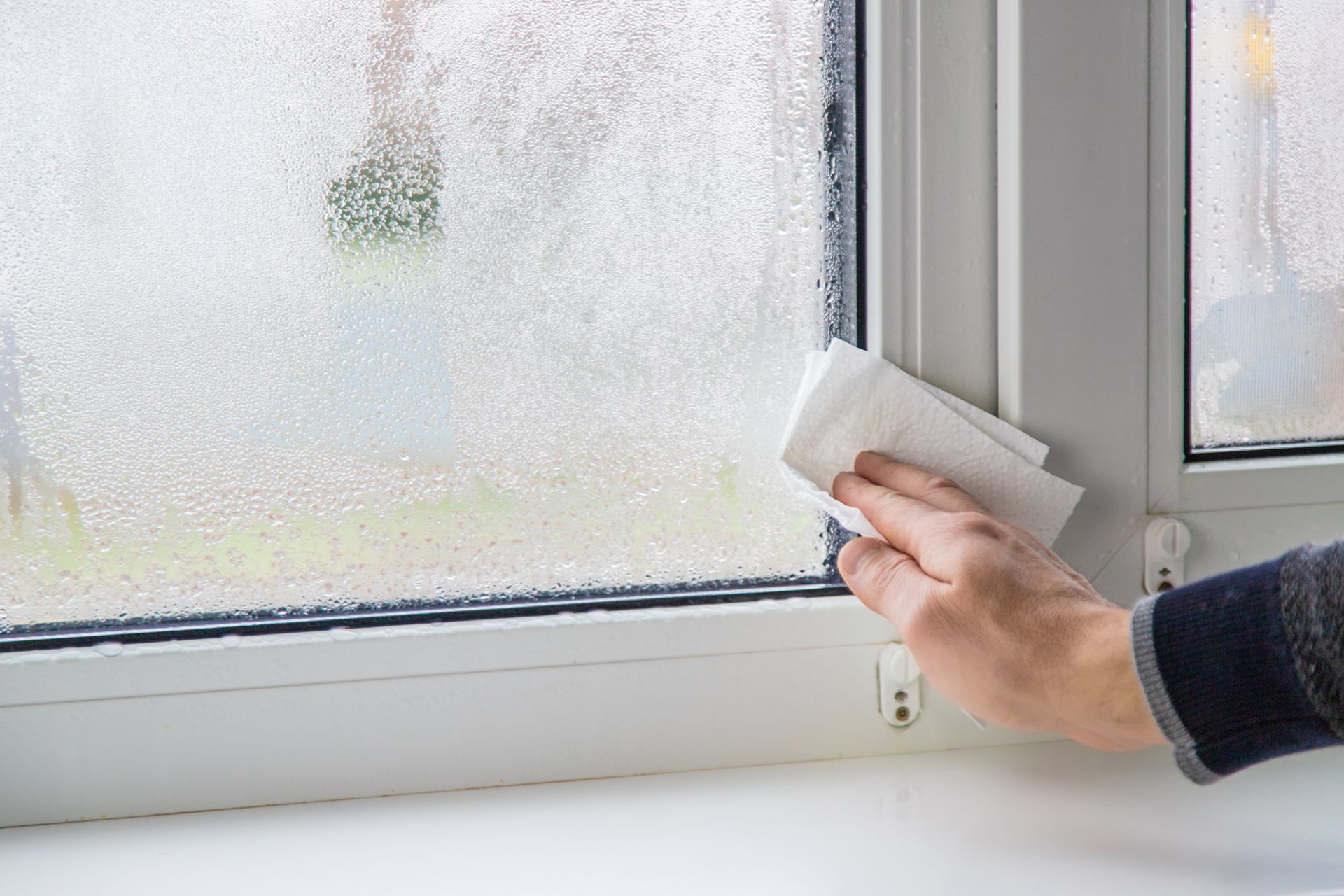
If a storm window is sealed too tightly without adequate ventilation, moisture can become trapped between the storm panel and the primary window. That can lead to condensation buildup, frost, and potentially mold or wood rot on the original window frame. Proper installation with small weep holes or venting channels is critical to avoid this problem.
Aesthetic Limitations
Storm windows, particularly exterior aluminum models, can change the look of your home's facade. The added frame and hardware may not blend seamlessly with every architectural style. Interior storm windows are less visible from the outside but can affect how the window looks and operates from inside the room. If appearance is a top priority, it's worth looking at custom storm window options that offer a cleaner profile.
Storm Windows vs Replacement Windows
One of the most common questions we hear from Connecticut homeowners is whether to add storm windows or go straight to full replacements. The right answer depends on your budget, the condition of your existing windows, and your long-term goals. Here's how the two options compare across the categories that matter most:
| Factor | Storm Windows | Replacement Windows |
|---|---|---|
| Cost per window (installed) | $100 to $400 | $400 to $1,200+ |
| Energy efficiency gain | 25 to 50% reduction in heat loss | 40 to 70% reduction in heat loss |
| Lifespan | 10 to 20 years | 20 to 30+ years |
| Maintenance | Seasonal cleaning, track upkeep, periodic hardware checks | Minimal, occasional cleaning |
| Installation time | 1 to 2 hours per window | 2 to 4 hours per window |
| Preserves original windows | Yes | No |
| Best for | Sound older windows, budget-conscious upgrades, historic homes | Failing windows, maximum efficiency, long-term investment |
When Each Option Makes the Most Sense
Storm windows make the most sense when your existing windows are structurally sound, when you're working within a tighter budget, or when preserving original windows is important to you. Replacement windows are the better call when your current windows are failing, drafty beyond what storm panels can fix, or when you want the best possible long-term energy performance. If you're leaning toward replacement, our guide on the average cost to replace windows in Connecticut can help you budget the project. In many cases, homeowners address the most critical windows with replacements and use storm windows on the rest as a cost-effective compromise.
Are Storm Windows Worth It in Connecticut?
Performance in Cold New England Winters
Connecticut winters are long and cold, and window-related heat loss is one of the biggest comfort complaints in older homes. Storm windows perform well in this climate by cutting drafts and adding insulation exactly where it's needed most. For homeowners with single pane windows, the improvement in comfort during January and February alone often justifies the investment. Pairing storm windows with other winterization steps can make an even bigger difference. Our guide on protecting your Connecticut home from winter damage covers what else to address before the cold sets in.
Best Fit for Older and Historic Homes
Connecticut has a large inventory of pre-war and mid-century homes with original wood windows. Many of these windows are well built and worth preserving, but they need help keeping up with modern efficiency expectations. Storm windows are the ideal upgrade for these homes because they improve performance without sacrificing the character and craftsmanship of the originals.
Situations Where Storm Windows Make Financial Sense
Storm windows make strong financial sense when your existing windows are in decent shape and you want to improve comfort without a major investment. They're also a smart choice if you plan to sell in the next few years and don't want to sink the full cost of replacement windows into a home you won't be living in long-term. The lower upfront cost combined with immediate energy savings creates a favorable return.
When They May Not Be the Best Investment
If your existing windows are warped, rotting, or failing to close and lock properly, storm windows won't fix those structural issues. In that scenario, you're better off investing in quality replacement windows that address the root problem. If you're unsure how often windows should be replaced, that guide can help you evaluate where your current windows stand. Storm windows also aren't the best choice if maximum energy efficiency is your primary goal, since replacement windows with modern glass technology will always outperform a storm-over-single-pane setup.
Cost Expectations for Storm Windows in CT
Average Cost per Window Installed
In Connecticut, expect to pay between $100 and $400 per storm window installed. Basic aluminum exterior storm windows sit at the lower end, while low-e coated, custom-sized, or interior magnetic panels tend to cost more. Most homeowners spend between $150 and $300 per window for a quality product with professional installation.
Factors That Influence Pricing
Several factors determine what you'll pay for storm windows in Connecticut:
- Window size and shape. Standard rectangular windows cost less than custom-sized or specialty-shaped openings. Non-standard dimensions require custom manufacturing, which adds to the price.
- Frame material. Basic aluminum frames are the most affordable. Vinyl and wood frames cost more but offer better insulation and a more finished appearance.
- Glass type. Clear single pane storm glass is the most economical option. Low-e coated glass improves energy performance but adds $30 to $75 per window to the total cost.
- Interior vs exterior installation. Exterior triple-track storm windows tend to cost more due to heavier hardware and mounting requirements. Interior magnetic or compression-fit panels are often less expensive.
- Installation labor. Professional installation in Connecticut is generally moderate for storm windows since the process is faster and less involved than full window replacement.
Cost vs Long-Term Energy Savings
A full set of storm windows for a typical Connecticut home might cost $2,000 to $6,000. With annual heating savings of 10 to 30 percent on window-related heat loss, most homeowners see a payback period of three to seven years depending on their heating costs and the number of windows treated. That's a strong return for a home improvement project, especially when the comfort benefits start immediately.
Budget-Friendly Upgrade vs Full Replacement
Storm windows are one of the most cost-effective window upgrades available. They deliver a significant share of the benefits of full replacement at a fraction of the price. For homeowners who want to improve energy efficiency and comfort now but aren't ready to commit to a $15,000 to $25,000 replacement project, storm windows provide an excellent middle ground. For a broader look at which home upgrades deliver the strongest returns, our guide to the best home improvement projects with the highest ROI for CT homeowners puts storm windows in context alongside other popular improvements.
Key Factors to Consider Before Buying Storm Windows
Condition of Existing Windows
Before investing in storm windows, assess the condition of your current windows. If the frames are solid, the glass is intact, and the sashes still operate smoothly, storm windows can extend their useful life by many years. If the wood is rotting, the hardware is broken, or the sashes won't stay open, storm windows won't solve those problems and the money is better spent on replacements.
Desired Energy Efficiency Improvements
Think about how much efficiency gain you actually need. If you're upgrading from single pane windows and want a noticeable improvement without a major expense, storm windows deliver excellent value. If you're chasing the highest possible energy ratings for a deep energy retrofit, replacement windows with triple pane glass and insulated frames will get you further. You may also want to explore whether your window upgrade qualifies for the energy efficient windows tax credit, which can offset a portion of your costs.
Home Style and Aesthetic Goals
Consider how storm windows will look on your home. Modern low-profile storm windows blend in better than older models, and interior storm windows are virtually invisible from the street. If maintaining a specific architectural look matters to you, explore custom options or interior-mount solutions that minimize visual impact.
Long-Term Plans for the Property
Your timeline matters. If you plan to stay in your home for 15 years or more, the long-term value of replacement windows may outweigh the short-term savings of storm windows. If you're planning to sell within five to seven years, storm windows offer a faster payback and still improve the home's comfort and appeal for potential buyers.
Frequently Asked Questions About Storm Windows in Connecticut
Do storm windows work on double pane windows?
They can, but the benefit is smaller. Storm windows make the biggest difference when added to single pane windows, where they essentially double the insulating layers. Adding a storm panel over an existing double pane window still provides some improvement in draft reduction and noise control, but the energy efficiency gain is modest. In most cases, if your double pane windows are underperforming, the issue is a failed seal or aging frame rather than something a storm window can fix.
How long do storm windows last?
Most quality storm windows last 10 to 20 years with proper maintenance. Aluminum frames are durable but can dent, corrode, or lose their finish over time. Interior acrylic panels may yellow or scratch with age. Regular cleaning, lubricating the tracks, and checking the weatherstripping every few years will help push your storm windows toward the longer end of that range.
Can I install storm windows myself?
Interior storm windows are generally DIY-friendly. Magnetic and compression-fit models require basic measuring and minimal tools. Exterior storm windows are more involved, especially on upper-story windows where ladder work and precise mounting are required. For exterior installations, professional fitting ensures proper alignment, drainage, and weatherproofing, which are critical to avoiding condensation and performance issues.
Will storm windows eliminate condensation on my existing windows?
Storm windows reduce condensation by keeping the interior glass surface warmer, but they won't eliminate it entirely if your home has high indoor humidity or poor ventilation. Proper installation with small weep holes in exterior storm windows allows moisture to escape rather than build up between the panels. If you're seeing heavy condensation between the storm panel and the primary window, it usually means the storm window needs better ventilation or the interior humidity level needs to be addressed.
Are storm windows or replacement windows a better investment before selling a home?
It depends on the condition of your existing windows and your timeline. If your windows are structurally sound and you're selling within the next few years, storm windows offer a faster payback and improve the home's comfort and energy profile at a lower cost. If your windows are visibly failing, sagging, or fogged, buyers will notice and replacement windows send a stronger signal of a well-maintained home. Either way, window upgrades are among the home improvements with the highest ROI for Connecticut homeowners.
Final Thoughts: Are Storm Windows Worth It?
Weighing Cost, Performance, and Longevity
For many Connecticut homeowners, storm windows are absolutely worth it. They deliver meaningful energy savings, improve comfort during harsh winters, and protect original windows from further wear, all at a cost that's a fraction of full replacement. The trade-off is that they don't match the efficiency or longevity of modern replacement windows, and they require more maintenance over time. But for the right home and the right situation, that trade-off makes complete sense.
Making the Right Choice for Your Connecticut Home
The best window upgrade is the one that fits your home's condition, your budget, and your goals. Storm windows are a smart, practical choice for older homes with sound windows, for homeowners working within a budget, and for historic properties where preservation matters. If your windows are past the point of saving, a full replacement will serve you better in the long run. Either way, making an informed decision starts with understanding what each option can and can't do, and that's exactly what this guide is here to help with. If you'd like to talk through your options, get in touch with our team for guidance specific to your home.
Share this post
OTHER BLOG POSTS