How Long Does a Roof Last? What CT Homeowners Should Expect

After years of inspecting, repairing, and replacing roofs across Connecticut homes, our team has seen firsthand how the state's mix of heavy snow, summer heat, and coastal storms shapes the way a roof ages. As a GAF certified roofing contractor, we work with homeowners every week who want a straight answer about how much life their roof still has. This guide breaks down what we have learned on real Connecticut rooftops so you can make confident decisions about your home, without the sales pitch.
The Short Answer: How Long Should a Roof Last?
Most residential roofs in Connecticut last between 20 and 50 years. The exact number depends on the material, the installation, the weather a roof has lived through, and how well it has been maintained.
If you want a quick rule of thumb: a standard asphalt shingle roof installed properly should give you 20 to 30 years of reliable performance.
Average Roof Lifespans by Roofing Material
Different roofing materials are built to last very different amounts of time. A cedar shake roof on one home and a slate roof on a neighbor's home can both be "doing fine," but one may be near retirement while the other still has decades left.
Below is a quick comparison of the roof types we commonly see across Connecticut.
| Roofing Material | Typical Lifespan | Best For |
|---|---|---|
| 3-Tab Asphalt Shingles | 15 to 20 years | Budget-friendly replacements |
| Architectural Asphalt Shingles | 25 to 30 years | Most CT homes |
| Standing Seam Metal | 40 to 70 years | Long-term durability |
| Cedar Shake | 25 to 40 years | Traditional New England style |
| Slate | 75 to 100+ years | Historic and high-end homes |
| Synthetic Slate or Composite | 40 to 50 years | Slate look without the weight |
Why Some Roofs Last Longer Than Others in Connecticut
Two roofs of the same age and material can be in very different shape. A south-facing roof with no shade will usually wear faster than a roof tucked under tall trees, even though tree debris brings its own set of problems.
The biggest factors that decide how long a Connecticut roof actually lasts include:
- The roof's orientation and how much direct sun it gets each day
- Tree cover, overhanging branches, and seasonal debris buildup
- Attic ventilation and insulation quality
- The skill of the original installation crew
- How well the roof has been maintained over the years
- Storm exposure and the home's location in the state
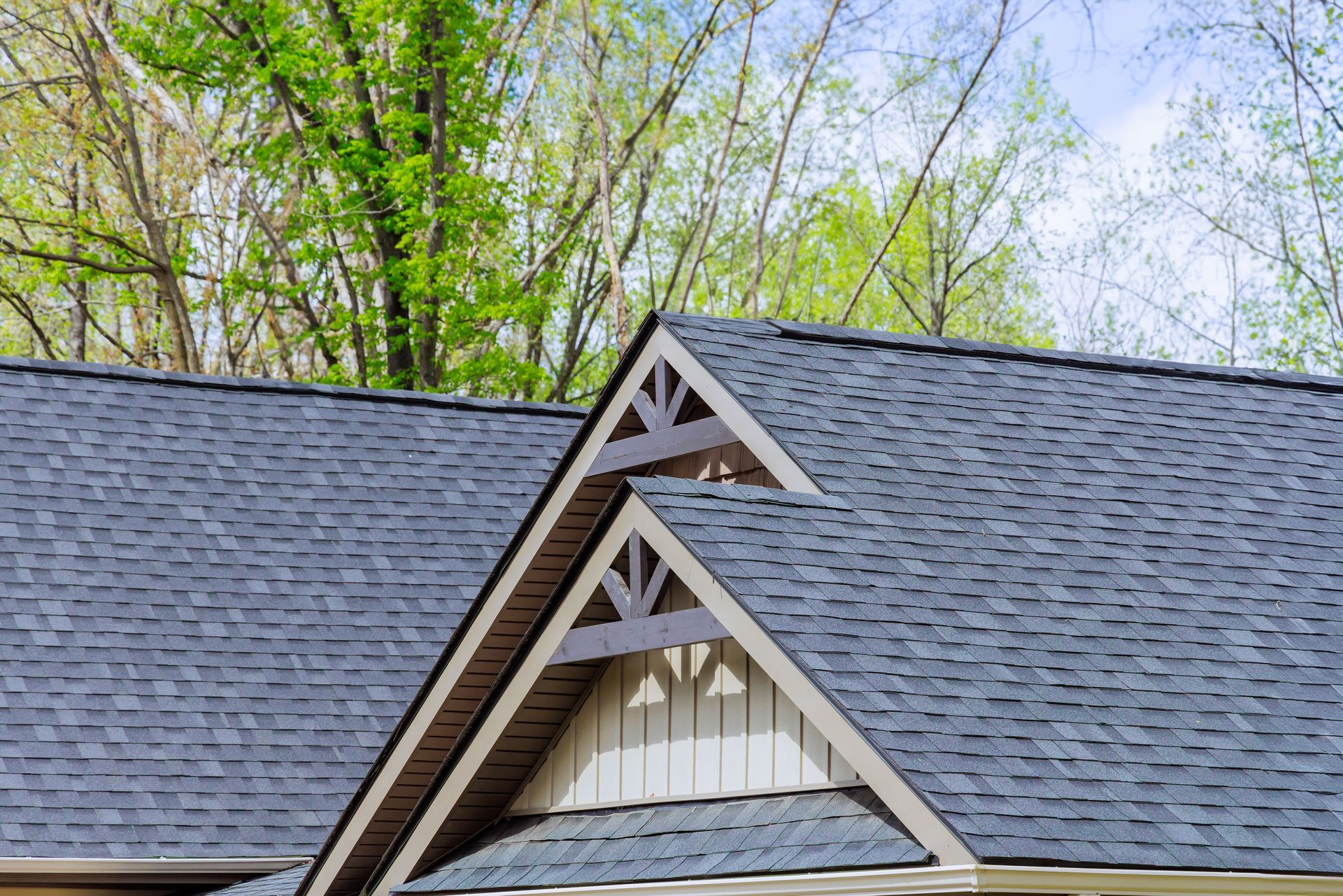
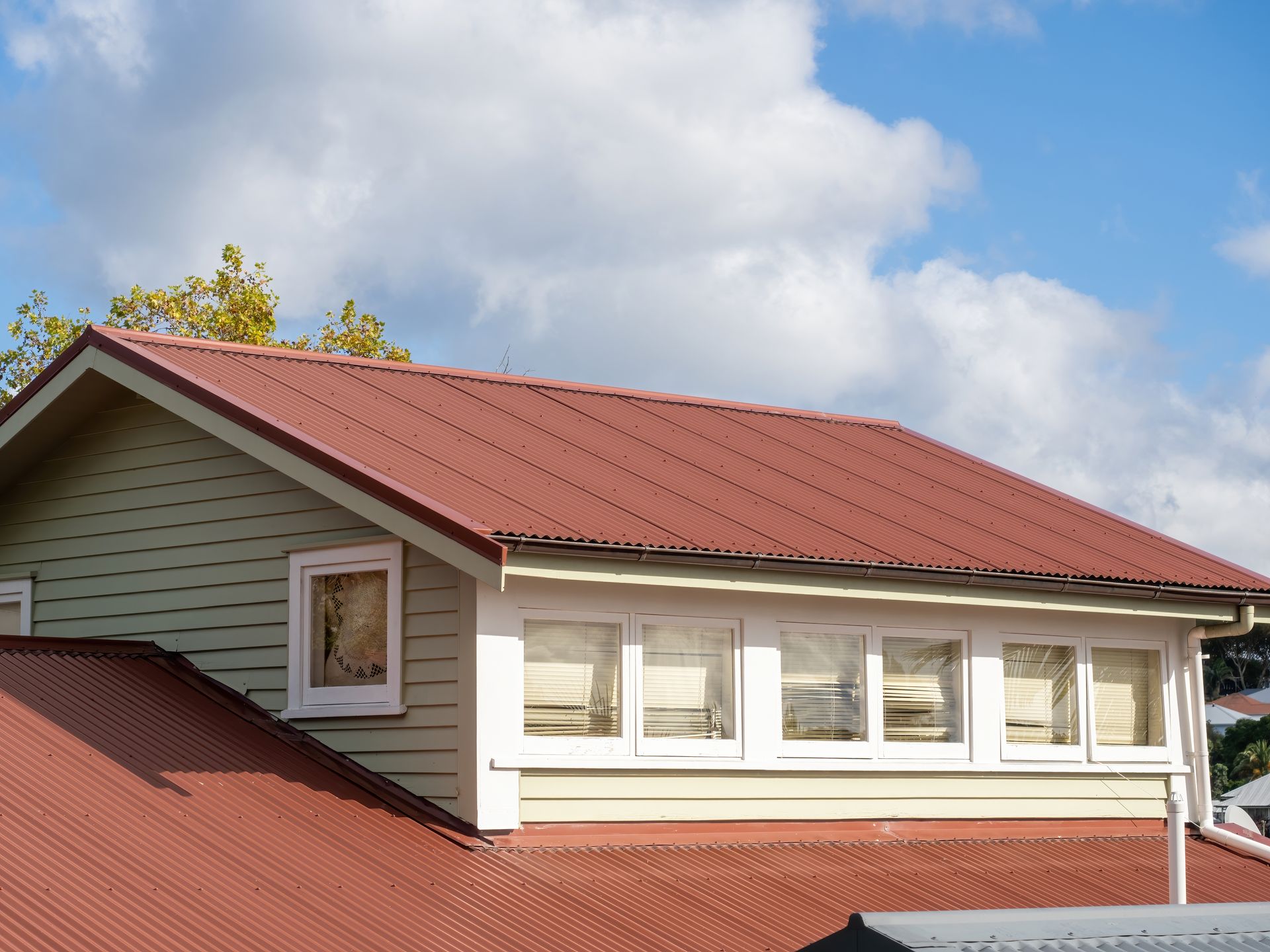
Expected Lifespan of Common Roofing Materials
Here is a closer look at how each major roofing material performs in Connecticut's climate.
Asphalt Shingle Roofs
Asphalt shingles are by far the most common roofing material on Connecticut homes. They are affordable, available in many colors, and handle our weather well when installed correctly. Expect 20 to 30 years of life from a quality asphalt roof.
Architectural vs. Three-Tab Shingles
Architectural shingles are thicker, heavier, and made up of multiple layers bonded together. They resist wind and weather better than older three-tab shingles and usually last 25 to 30 years. Three-tab shingles are flatter and lighter and typically last 15 to 20 years.
For most homeowners replacing a roof today, architectural shingles offer the better long-term value.
Metal Roofing Systems
Metal roofs have grown in popularity across Connecticut. Standing seam metal roofs can last 40 to 70 years, shed snow easily, and resist fire and high winds. They cost more upfront, but the lifespan often makes up for it.
Cedar Shake Roofs
Cedar shakes give homes a classic New England look. With regular maintenance they can last 25 to 40 years, but they require more attention than asphalt. Moisture, moss, and mildew are the biggest threats, especially on shaded roofs.
Slate and Premium Roofing Materials
Slate is the longest-lasting roofing material you can buy. A real slate roof can last 75 to 100 years or more. Synthetic slate and composite shingles offer a similar look with a 40 to 50 year lifespan and less weight on the home's structure.
What Impacts Roof Lifespan in Connecticut?
Connecticut weather puts more stress on a roof than many homeowners realize. The same materials that last 30 years in a mild climate can wear down faster here.
Snow, Ice, and Freeze-Thaw Cycles
Snow load is heavy, but the bigger issue is the freeze-thaw cycle. Water seeps into small cracks during the day, freezes overnight, expands, and slowly pulls roofing materials apart. This is one of the top reasons CT roofs age faster than expected.
Heavy Rain, Wind, and Severe Storms
Nor'easters, summer thunderstorms, and the occasional tropical system all hit Connecticut roofs hard. Strong gusts can lift shingles, and heavy rain finds any weak spot in the system.
Summer Heat and UV Exposure
Hot summer sun bakes shingles and breaks down their protective oils over time. South and west-facing slopes usually show wear first because they get the most direct sunlight.
Tree Coverage, Debris, and Moisture Retention
Tree limbs scrape shingles, drop debris into gutters, and keep parts of the roof damp long after a storm. Moisture that lingers is one of the fastest ways to shorten a roof's life.
The Hidden Factors That Can Shorten Roof Life
Not everything that ages a roof is visible from the ground. Some of the biggest factors happen out of sight.
Poor Attic Ventilation
A poorly ventilated attic traps heat and moisture against the underside of the roof deck. Shingles cook from below, wood decking can rot, and ice dams become more likely in winter.
Improper Installation Practices
A roof is only as good as the crew that installs it. Common installation mistakes include:
- Nails driven too high, too low, or at an angle
- Missing or undersized flashing around chimneys and walls
- Skipped or poorly lapped underlayment
- Improper ventilation cuts at the ridge or soffits
These mistakes may not show up for years, but they shave years off the roof's life.
Delayed Roof Repairs
A small leak or a single missing shingle is cheap to fix when caught early. Left alone, it can lead to rotted decking, damaged insulation, and ceiling repairs inside the home.
Inadequate Drainage and Gutter Issues
Clogged or undersized gutters send water back onto the roof edge and into the fascia. Over time, the wood softens and the roof edge starts to fail.
Signs Your Roof May Be Nearing the End of Its Lifespan
Most roofs give clear warning signs before they fail. Knowing what to look for helps you plan ahead instead of reacting to a leak in the middle of a storm.
Missing, Cracked, or Curling Shingles
Shingles that are lifting at the edges, splitting down the middle, or missing entirely are a strong sign the roof is past its prime.
Granule Loss and Bald Spots
Asphalt shingles are coated with small granules that protect them from the sun. If you see piles of granules in your gutters or shiny bald patches on the roof, the shingles are losing their protection.
Recurring Roof Leaks
One leak in one spot can often be repaired, and there are clear steps to take when finding and fixing roof leaks early. Leaks that keep coming back, or leaks in more than one area, usually point to a roof that has reached the end of its life.
Sagging Areas and Structural Concerns
A roof line should be straight. Visible dips, waves, or sagging spots usually mean the decking underneath has been damaged by moisture.
Increased Energy Bills and Attic Moisture
If heating and cooling costs are climbing or you notice damp insulation in the attic, your roof or attic system may not be performing the way it should.
Can Roof Maintenance Extend the Life of Your Roof?
Yes. Regular care can add several years to a roof's life and helps you avoid surprise repairs.
Why Routine Inspections Matter
A professional inspection once a year, plus a quick check after major storms, catches small problems early. Most issues that lead to full roof failure started as something simple a few years earlier.
Keeping Gutters and Roof Surfaces Clear
Clean gutters and a debris-free roof allow water to drain the way it was designed to. This single habit prevents a long list of problems.
Addressing Small Issues Before They Become Major Repairs
A loose flashing, a cracked boot around a vent pipe, or a few missing shingles are quick fixes. Ignored, they turn into interior water damage.
Preventing Ice Dams and Ventilation Problems
Proper insulation and attic ventilation keep the roof deck cold in winter, which prevents the uneven melting and refreezing that creates ice dams. For a full breakdown of how ice dams form and the damage they cause, see our ice dam prevention guide for CT homeowners.
Should You Repair or Replace an Aging Roof?
This is the question most homeowners want answered, and it depends on the age, condition, and damage of your specific roof.
Situations Where Repairs Still Make Sense
Repairs are usually the right call when:
- The roof is less than 15 years old
- Damage is limited to one area
- The decking underneath is still solid
- There are no signs of widespread granule loss or curling
When Replacement Is the More Cost-Effective Option
Replacement often makes more sense when the roof is over 20 years old, has multiple leaks, or shows widespread aging across the whole surface. Spending money on patch repairs to a tired roof rarely pays off.
Evaluating Roof Age Alongside Current Condition
A 10-year-old roof in poor shape may need to be replaced. A 25-year-old roof that has been well maintained may still have a few good years left. Age alone does not decide it. Condition matters just as much.
How Connecticut Homeowners Can Maximize Roof Longevity
A long-lasting roof comes from a series of smart decisions, not a single product.
Schedule Professional Roof Inspections
Annual inspections catch issues you cannot see from the ground and document the roof's condition over time.
Invest in Quality Roofing Materials
Premium shingles, quality underlayment, and proper flashing cost more upfront but pay off in years of added life.
Choose Experienced Roofing Installers
Installation is the single biggest factor in how long a roof lasts. A great shingle installed poorly will not perform any better than a cheap one. An experienced roofing team that understands Connecticut's climate will get the details right the first time.
Create a Long-Term Roof Maintenance Plan
A simple plan keeps small issues from turning into big ones. For most Connecticut homes, a solid maintenance plan includes:
- One professional roof inspection per year
- A roof check after every major storm or heavy wind event
- Gutter cleaning at least twice a year, more often with heavy tree cover
- Trimming back tree branches that hang over the roof
- Prompt repairs to any small issues found during inspections
What to Expect When Your Roof Reaches Replacement Age
When the time comes for a new roof, knowing what is ahead makes the project less stressful.
The Roof Evaluation Process
A complete roof evaluation should cover more than just the shingles. It is a full look at the system that protects your home. A thorough inspection includes:
- Shingle condition, granule loss, and overall surface wear
- Flashing around chimneys, vents, skylights, and walls
- The roof decking for soft spots or signs of moisture damage
- Attic ventilation, insulation, and any signs of leaks
- Gutters, downspouts, and drainage at the roof edges
- Any prior repair work and how it has held up
This is where decisions about material, scope, and timing get made.
Choosing the Right Roofing Material for Your Home
The right material depends on your budget, the style of your home, and how long you plan to stay. Architectural asphalt works for most homes, but metal and synthetic options are worth considering for long-term ownership.
Planning for Budget, Timing, and Installation
Most residential roof replacements take one to three days of actual work. Planning around weather and your schedule helps the project go smoothly.
Understanding Roof Warranties and Lifespan Expectations
Warranties are useful, but they are often misunderstood.
Manufacturer Warranties vs. Real-World Performance
A "50-year shingle" does not always mean 50 years of perfect performance. Manufacturer warranties cover defects in the material, not normal weather wear, and they often include important fine print.
Workmanship Warranties and Their Role in Roof Longevity
A workmanship warranty from the contractor covers installation mistakes. This is often more valuable to homeowners than the product warranty, because installation is where most preventable problems start.
Why Warranty Coverage Does Not Guarantee Lifespan
Warranties protect you against specific problems. They do not promise the roof itself will last a certain number of years in real-world conditions.
Protecting Your Home With the Right Roofing Decisions
Your roof is one of the most important systems in your home. Smart decisions today protect everything underneath it for years to come.
Recognizing Early Warning Signs
Pay attention to your roof a few times a year. Curling shingles, granules in the gutters, or stains on the ceiling are easy signals to catch early.
Making Informed Repair and Replacement Choices
Get a clear, honest evaluation before deciding between repair and replacement. The right answer saves money and stress.
Building a Roof That Lasts Through Connecticut's Climate
A long-lasting roof in Connecticut comes from the right material, a careful installation, good ventilation, and steady maintenance. Get those four right and you will get the most years possible out of your investment.
Ready for a Straight Answer About Your Roof?
If you are not sure how much life your roof has left, a professional inspection is the simplest way to find out. Our team can walk your roof, check the attic, and give you an honest picture of where it stands, with no pressure to replace before it is truly time.
Schedule a roof inspection with JC Tonnotti today.
Frequently Asked Questions
What are the black streaks on my roof, and do they shorten its life?
Those dark streaks are caused by a type of algae that thrives in humid climates like Connecticut's. The algae itself does not destroy shingles, but it holds moisture against the roof surface and can speed up wear over time. A professional cleaning, plus zinc or copper strips along the ridge, can help control it.
Does homeowners insurance cover a roof replacement?
Insurance generally covers sudden damage from events like storms, hail, or fallen trees. It usually does not cover gradual wear from age. The age and condition of your roof at the time of the claim plays a big role in what is approved, which is one more reason to keep up with inspections and documentation.
When is the best time of year to replace a roof in Connecticut?
Late spring through early fall is the ideal window in Connecticut. Mild temperatures and dry weather give shingles time to seal properly. Replacements can be done in cold months when needed, but extreme cold can affect how well shingles bond.
Can I install a new roof over my existing one?
In some cases, local code allows one layover. However, putting new shingles over old ones hides problems with the decking, adds weight to the home, and usually shortens the lifespan of the new roof. A full tear-off is the better long-term investment for most Connecticut homes.
Will adding solar panels affect my roof's lifespan?
Solar panels themselves do not harm a healthy roof, but they cover the surface and make future repairs more complicated. If your roof is more than 10 to 15 years old, it is usually smarter to replace it before installing solar so the two systems age together.
Share this post
OTHER BLOG POSTS