When Is the Best Time to Paint the Exterior of a House in New England?

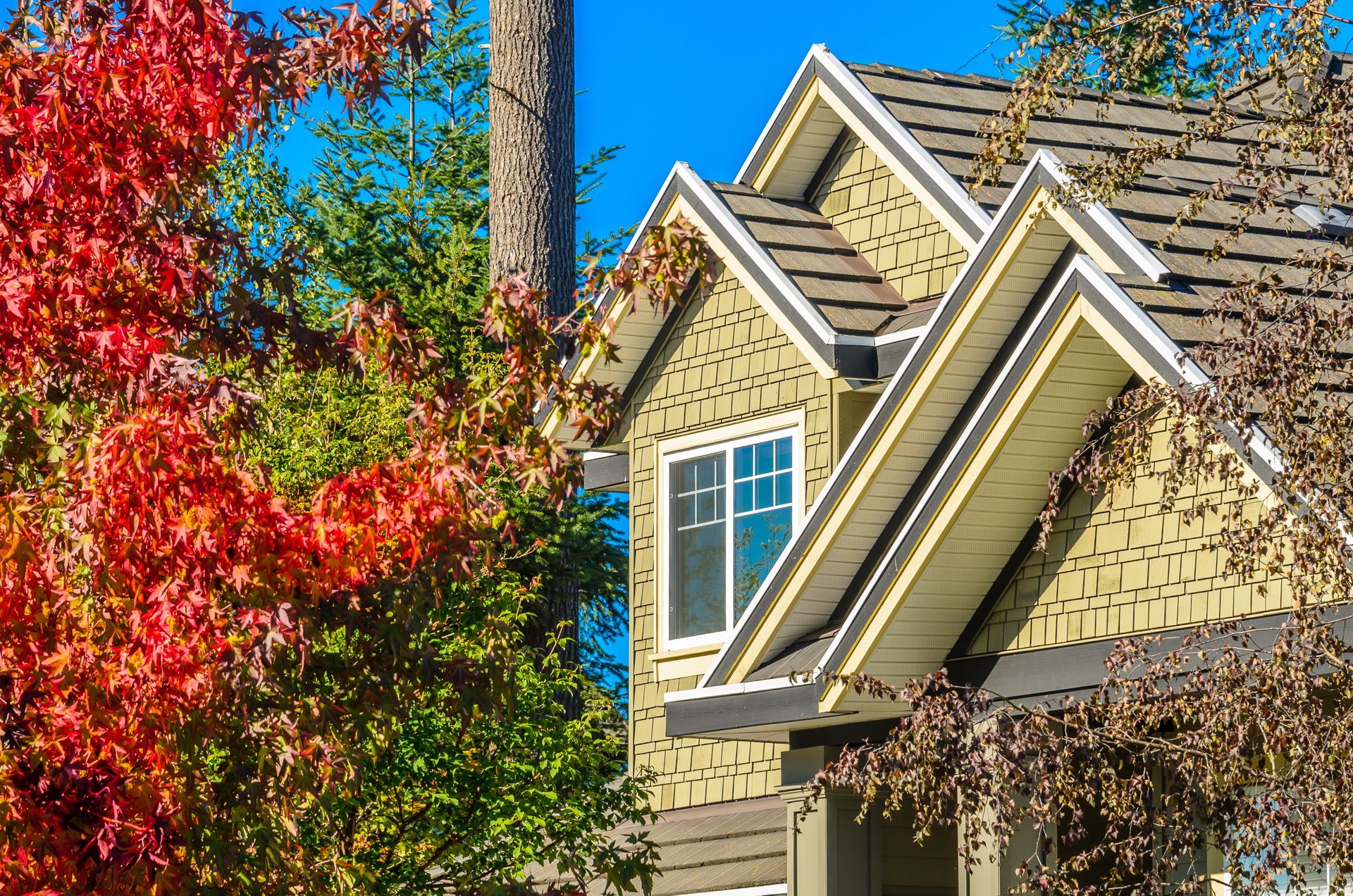
For most New England homes, fall is the best time to paint the exterior, usually from early September through mid-October. The temperatures are stable, humidity drops, and paint cures the way it's supposed to. Late spring and early summer work too, but fall consistently delivers the best results.
At JC Tonnotti, we've worked on Connecticut homes through every season, and we see the same pattern every year: paint jobs done in the wrong weather start failing within 2 to 3 years, while well-timed jobs hold up for a decade or more. This guide walks you through why timing matters, what each season offers, and how to plan your project so the finish actually lasts.
The Short Answer: Why Fall Wins for Most New England Homes
Fall checks all the boxes that exterior paint needs to bond and cure correctly.
Why fall outperforms other seasons in CT:
- Daytime highs typically sit between 55°F and 75°F
- Humidity drops as cooler air moves in
- Dew points are lower, so surfaces dry faster in the morning
- Fewer insects to land in wet paint
- Reduced pollen and tree sap from spring growth
- Stable weather patterns with fewer surprise thunderstorms
Stable Temperatures and Lower Humidity
Most exterior paints cure best between 50°F and 85°F. Fall holds that range almost every day in CT, with overnight temperatures staying warm enough to avoid cure problems.
Reliable Paint Adhesion and Cure Time
When paint is applied in steady, dry conditions, it bonds tightly to the surface and cures evenly. That's the difference between a paint job that lasts 8 years and one that lasts 12 to 15.
Fewer Insects, Pollen, and Weather Surprises
Spring brings pollen, tree sap, and bugs that get trapped in wet paint. Fall avoids all three.

Why Timing Matters More Than Most Homeowners Think
Exterior paint isn't just about how it looks the day it's applied. The weather during application, and especially during the first few days after, determines how long the finish actually lasts.
How Temperature and Humidity Affect Paint Performance
Paint that's too cold doesn't bond well. Paint that's too hot dries on the surface before the layer underneath has cured. High humidity slows everything down and can leave a chalky finish.
Why Cure Time Is Different from Dry Time
Paint dries to the touch in a few hours, but full cure takes 14 to 30 days depending on conditions. During that time, the paint is still vulnerable to dirt, rain, and temperature swings. Fall's stable weather gives the paint a clean window to cure properly.
What Happens When You Paint at the Wrong Time
Painting in the wrong conditions can cause peeling within a year, blistering, mildew growth on damp surfaces, and visible streaks where the paint dried unevenly. These problems usually show up in the second year, well after the contractor has moved on.
Painting Your House by Season in New England
Each season has tradeoffs. Here's how they compare for an exterior paint job in CT.
| Season | Typical Conditions | Pros | Cons |
|---|---|---|---|
| Spring | 45°F–70°F, wet, high pollen | Surfaces ready for fresh paint after winter | Frequent rain, pollen, unstable temps |
| Summer | 70°F–90°F, humid, sunny | Long daylight hours, easy scheduling | Heat speeds drying too fast, high humidity, bugs |
| Fall | 55°F–75°F, dry, low humidity | Stable weather, ideal cure conditions, low pollen | Booked-up contractors, daylight gets shorter |
| Winter | Below 50°F, snow, ice | Off-season availability | Most paints can't cure properly, surfaces too cold |
Spring: Pros, Cons, and What to Watch For
Spring works for late-season projects in May and June, once temperatures stabilize and pollen counts drop. Earlier than that, rain and cold nights cause more problems than they're worth. April in CT is notoriously unpredictable, with daytime highs that can swing from 40°F to 75°F in the same week. Pollen also peaks in late April through mid-May, and any wet paint surface acts like flypaper for everything floating in the air. If you do paint in spring, target a 7-to-10-day stretch in late May or June when pollen has dropped and overnight lows stay above 50°F.
Summer: Long Days, but Heat and Humidity Risks
Summer offers long workdays and predictable scheduling, but afternoon humidity in CT often pushes paint cure problems. The best summer painting happens in early morning, on the shaded sides of the house, before the heat builds up. Surface temperature matters more than air temperature. A dark wall in direct sun can reach 130°F or higher on an 85°F day, which causes paint to skin over before it can bond. Most pros avoid south-facing walls between 11 a.m. and 3 p.m. in July and August, and instead rotate around the house to chase the shade.
Fall: The Sweet Spot for Most Projects
Fall is when most professional painters book solid in Connecticut. The weather window from early September to mid-October consistently produces the best long-term results. Daytime highs typically sit between 55°F and 75°F, humidity drops, and overnight lows stay warm enough for proper cure. Pollen is gone, bugs are mostly gone, and tree sap has stopped flowing. The one tradeoff is that daylight shortens fast in October, so projects starting late in the month may run out of working hours per day. Booking for September or the first two weeks of October gives you the most reliable conditions.
Winter: Why Most Exterior Painting Pauses
Most exterior paints can't cure properly below 50°F, and snow or ice on surfaces makes prep impossible. A few specialty paints handle cold weather, but they cost more and have their own limits. Even on the rare 55°F day in February, overnight temperatures will drop the surface below the cure threshold and the paint will fail. Interior painting projects can run year-round, but for outside work, most CT homeowners are better off waiting until the weather settles. For other off-season exterior projects, vinyl siding installation in winter follows a different set of rules since the material behaves differently than paint.
Ideal Weather Conditions for Exterior Paint
If you're trying to time a project yourself, here's what to look for in the forecast.
Temperature Ranges That Actually Work
Most exterior paints need a stable temperature range to cure right:
- 50°F to 85°F during application is the standard window
- Overnight lows above 50°F for at least 48 hours after
- No more than a 15°F swing between day and night for the first day or two
Humidity and Dew Point Considerations
Aim for humidity between 40% and 70%. Above 85%, paint dries unevenly and may show streaks. Below 40%, the surface dries too fast for proper adhesion.
Rain, Wind, and Direct Sun Risks
Wait at least 24 hours after rain before painting, and check that no rain is forecast for 24 hours after. High winds blow dust and debris into wet paint. Direct sun on dark walls in summer heats surfaces past 100°F, which causes premature drying.
How Your Siding Type Affects the Timing
The material you're painting changes the timing rules.
Wood Siding
Wood absorbs moisture, so it needs to be dry inside and out before paint goes on. Fall is ideal because summer humidity has worked its way out of the wood, and the cooler weather slows down moisture absorption from morning dew. Allow 2 to 3 dry days before painting after any rain, and longer if the wood has been exposed to a humid stretch. Older wood siding often needs spot priming on any bare or weathered patches, and any cracked, rotted, or split boards should be repaired before paint goes on. Wood holds paint well when prepped properly, but skipping prep on wood almost always leads to peeling within a year or two.
Vinyl, Aluminum, and Fiber Cement Siding
These surfaces don't absorb water, but they expand and contract with temperature changes. Painting in stable fall temperatures avoids cracks in the finish later. Vinyl in particular has a narrow color range it can hold without warping in summer heat. Painting it a much darker color than the original can cause buckling and voided warranties. If you're considering painting vinyl siding, make sure you use a paint formulated specifically for it, and avoid any color significantly darker than what's already there. Fiber cement and aluminum hold paint well across a wider color range, but all three need a clean, dry surface and the right primer to bond properly.
Stucco, Brick, and Masonry
These porous surfaces need to be fully dry before paint goes on, which can take a week or more after rain. Fall's lower humidity helps masonry dry out properly. Stucco often needs hairline cracks filled and any flaking spots scraped clean before priming. Brick almost never needs painting unless it's already been painted before, since paint on raw brick can trap moisture and accelerate damage. Masonry surfaces also need a specific type of primer that bonds to mineral materials, and the paint itself should be breathable enough to let trapped moisture escape rather than blistering the finish from underneath.
How to Plan an Exterior Painting Project in CT
A well-timed project starts with good planning. Here's the sequence we recommend.
- Book your contractor by July or August for a fall project
- Walk the exterior in late summer to catch peeling, rot, or caulk failures
- Schedule prep work 1 to 2 weeks before painting starts
- Watch the 10-day forecast and confirm dates 7 days out
- Plan for 2 to 3 days of clear weather minimum
- Leave extra time in case rain delays the start
Watch the 10-Day Forecast Before Booking
The 10-day window is usually accurate enough to confirm a good stretch of weather. Beyond 10 days, the forecast gets too uncertain to rely on.
Book Contractors Early for Fall Demand
Most Connecticut painting crews fill their fall schedules by midsummer. Fall is a busy season for exterior work in CT, since homeowners are also focused on winterizing their homes before the cold hits. If you wait until September to call, you may have to push the project to spring.
Plan for 2 to 3 Days of Clear Weather Minimum
A typical CT home needs 2 to 4 days of painting, plus prep. Look for a stretch of dry, mild weather and confirm with your contractor before locking in dates.
Common Timing Mistakes to Avoid
These are the timing errors we see most often, and what they cost.
- Painting in October's last warm week when overnight temperatures already dip below 50°F
- Skipping prep because rain is in the forecast and you want to start before it hits
- Painting damp surfaces the morning after rain without letting them dry fully
- Choosing a contractor based on availability alone when the only open slots are off-season
- Painting during a heat wave when surface temperatures exceed safe paint application limits
Most of these mistakes lead to peeling, blistering, or premature fading, usually within 2 to 3 years.
How to Prep Your Home Before Exterior Painting
Even perfect timing won't save a paint job that wasn't prepped right. Most exterior paint failures we see come from skipped or rushed prep, not from the paint itself.
A complete prep sequence usually looks like this:
- Pressure wash the siding to remove dirt, chalking, mildew, and loose paint. Allow 48 hours of dry time before any other prep work.
- Scrape any peeling or flaking paint down to a stable edge. Sand the transition between scraped and intact paint smooth.
- Repair damaged surfaces. Replace rotted wood, fill cracks in stucco, and re-caulk gaps around windows, doors, trim, and corner boards.
- Prime bare spots. Any exposed wood, raw metal, or new patching material needs primer before the topcoat goes on.
- Cover and protect. Walkways, plants, AC units, and outdoor furniture all need to be covered or moved out of the spray and drip zones.
- Final wipe-down. A quick dry wipe of the surface right before painting removes any dust or pollen that settled during prep.
Skipping any of these steps shortens the life of the finish, sometimes by years. A proper prep cycle on an average CT home typically takes 1 to 3 days on its own, before painting even starts.
What Drives the Cost of Exterior Painting in Connecticut
Most full exterior paint jobs in CT run $3,500 to $9,000 for an average single-family home, though larger or more complex homes can run higher. Several factors drive the variation.
Cost drivers to expect on your estimate:
- Home size and number of stories. Square footage of painted surface is the biggest single factor, and second-story walls add labor for ladders and scaffolding.
- Siding material and condition. Wood with peeling paint takes far more prep than smooth fiber cement. Older homes with multiple layers of failing paint may need extensive scraping.
- Number of colors and coats. Most jobs need two coats. Adding a third color for trim or accents increases labor without dramatically increasing cost.
- Paint quality and brand. Premium paints cost more per gallon but cover better and last longer, often offsetting the price difference over the life of the job.
- Repairs needed before painting. Rotted trim, damaged siding, or cracked caulk all need to be addressed and add to the total.
- Access and complexity. Steep grading, balconies, dormers, or tight property lines all add time and equipment costs.
- Lead paint considerations. Homes built before 1978 may require lead-safe work practices, which add labor and disposal costs.
A written, line-item estimate is the best way to compare bids. Two contractors quoting "$5,000 for the job" may be including very different scopes, and the cheaper bid often skips prep that you'll pay for later in early failure.
Book Your Fall Exterior Paint Project in Connecticut
If you're planning to repaint your home's exterior, fall is the season most likely to give you a finish that lasts 10 years or more. Booking early in the summer is the best way to lock in your spot before the fall calendar fills up.
Here's what working with our team looks like:
- A free on-site consultation to walk the exterior and identify prep needs
- A written estimate with materials, labor, timeline, and weather contingencies
- Surface prep matched to your siding type (wood, vinyl, fiber cement, or masonry)
- Application during the right weather window for proper cure
- Clear daily communication throughout the project
Contact JC Tonnotti to schedule your free exterior paint consultation, and we'll help you plan the project around the best weather window for your home.
Frequently Asked Questions
What's the lowest temperature you can paint outside?
Most modern exterior paints need 50°F or above during application and for at least 48 hours after. A few cold-weather formulas work down to 35°F, but they cost more and are not necessary for most CT homes if you time the project right.
How often should you repaint the exterior of a house in CT?
A quality exterior paint job in Connecticut lasts 7 to 10 years on most surfaces. Wood siding may need repainting every 5 to 7 years on sun-exposed walls. Vinyl and fiber cement can hold paint 10 to 15 years if the prep and timing are right.
Can you paint a house in the summer?
Yes, but with limits. Paint surfaces in the shade or in the morning before they heat up, and avoid days above 90°F or with humidity above 85%. Early summer (June) is more reliable than late summer (August) in CT.
Is it worth hiring a professional painter or can I DIY?
DIY works for small areas like trim or one wall, but a full exterior paint job involves ladders, scaffolding, surface prep, primer choices, and weather planning. Most CT homeowners find that pros finish faster, prep better, and deliver a result that lasts twice as long.
How long does an exterior paint job take?
Most CT homes take 3 to 7 days from prep to final coat, depending on size, siding type, and how much repair the surfaces need. Allow extra time in your schedule for unexpected rain delays.
Share this post
OTHER BLOG POSTS