3-Season Room vs. 4-Season Room: Which Is Right for You?

The core difference is simple: a three-season room is built for spring, summer, and fall, while a four-season room is insulated and climate-controlled for year-round use, including a Connecticut winter. A three-season room costs less and gives you a bright space for the warmer months. A four-season room costs more but functions as true living space you can use every day of the year. The right choice comes down to how you want to use the room and your budget, and in a climate like Connecticut's, that decision matters more than it would in a milder region.
J.C. Tonnotti builds both three-season and four-season rooms for homeowners across Southington, Bristol, Cheshire, and central Connecticut, so we help people make this exact decision regularly. It is the first and most important choice in any sunroom project, because it shapes the cost, the construction, and how much you will actually enjoy the space. This guide compares the two directly so you can decide which fits your home and how you live.
In This Guide
- The Quick Answer
- What a Three-Season Room Is
- What a Four-Season Room Is
- The Core Differences
- Side-by-Side Comparison
- Cost Compared
- When a Three-Season Room Is the Better Choice
- When a Four-Season Room Is the Better Choice
- The Connecticut Climate Factor
- How to Decide for Your Home
- Build the Right Room in Connecticut
- FAQ
The Quick Answer
Here is the short version of the decision, and what tips it one way or the other.
Choose a Three-Season Room If
Choose a three-season room if you want to enjoy the space during spring, summer, and fall, you want to spend less, and you are comfortable not using the room during the coldest winter months. It is a bright, airy space for mild-weather living at a lower cost.
Choose a Four-Season Room If
Choose a four-season room if you want to use the space every day of the year, including winter, you want it to function as true living space, and you are willing to invest more for insulation, heating, and cooling. It is a genuine extension of your home.
The Deciding Question
The question that settles it: do you want to use this room in January? If yes, you need a four-season room. If you are content to close it up for the coldest stretch, a three-season room saves money. Our
sun and patio rooms page covers both options.
What a Three-Season Room Is
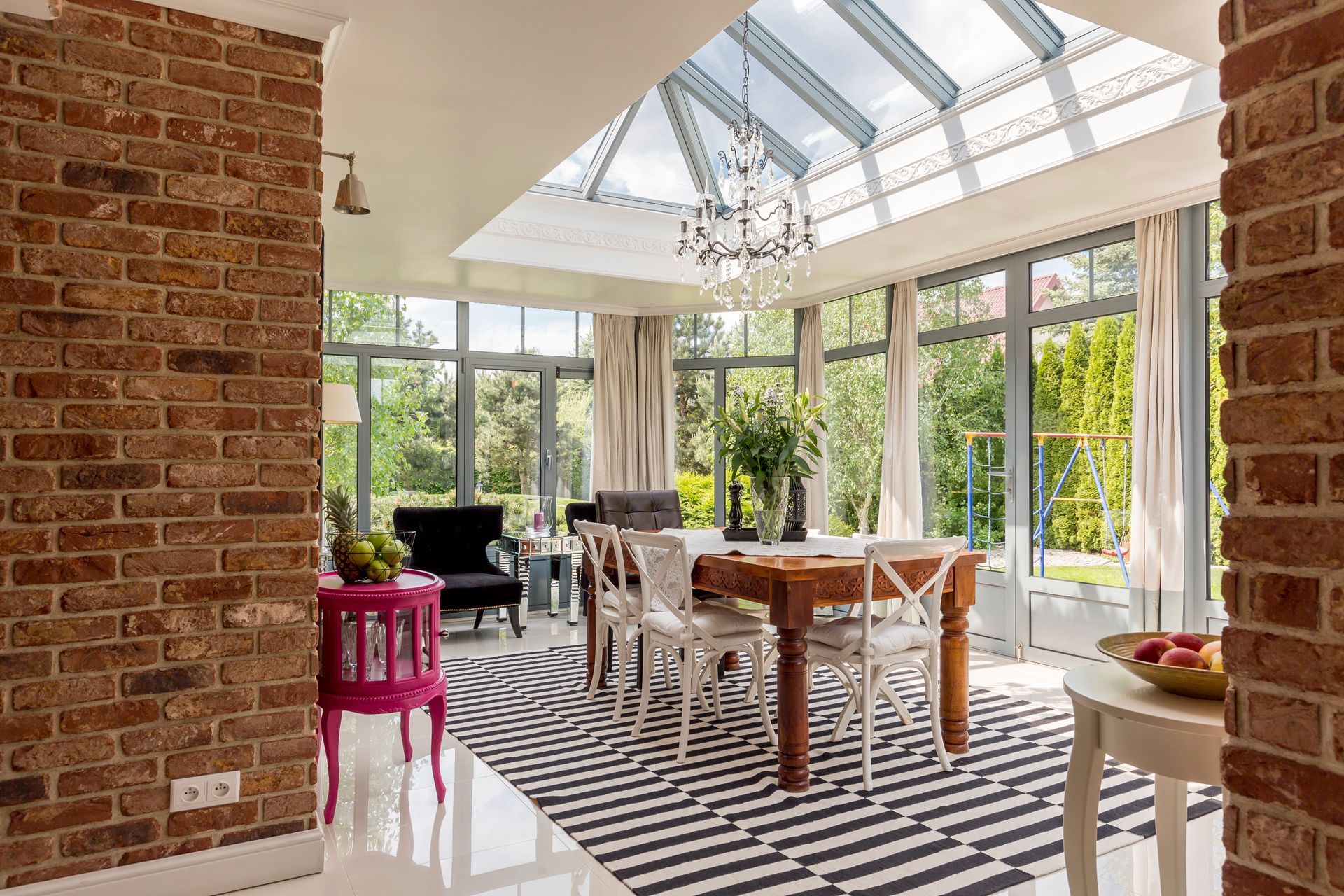
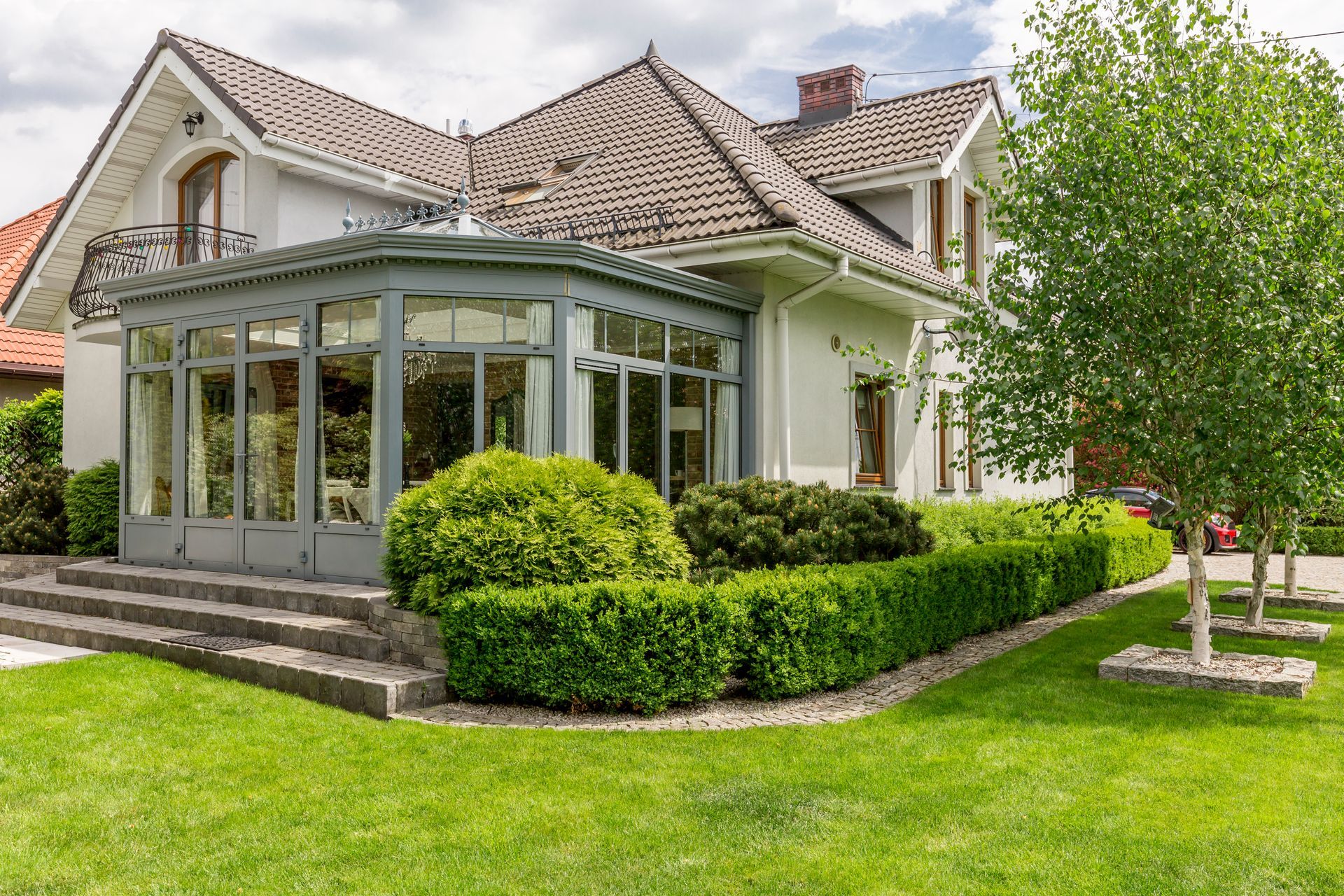
A three-season room is a sunroom designed for comfortable use in spring, summer, and fall.
How It's Built
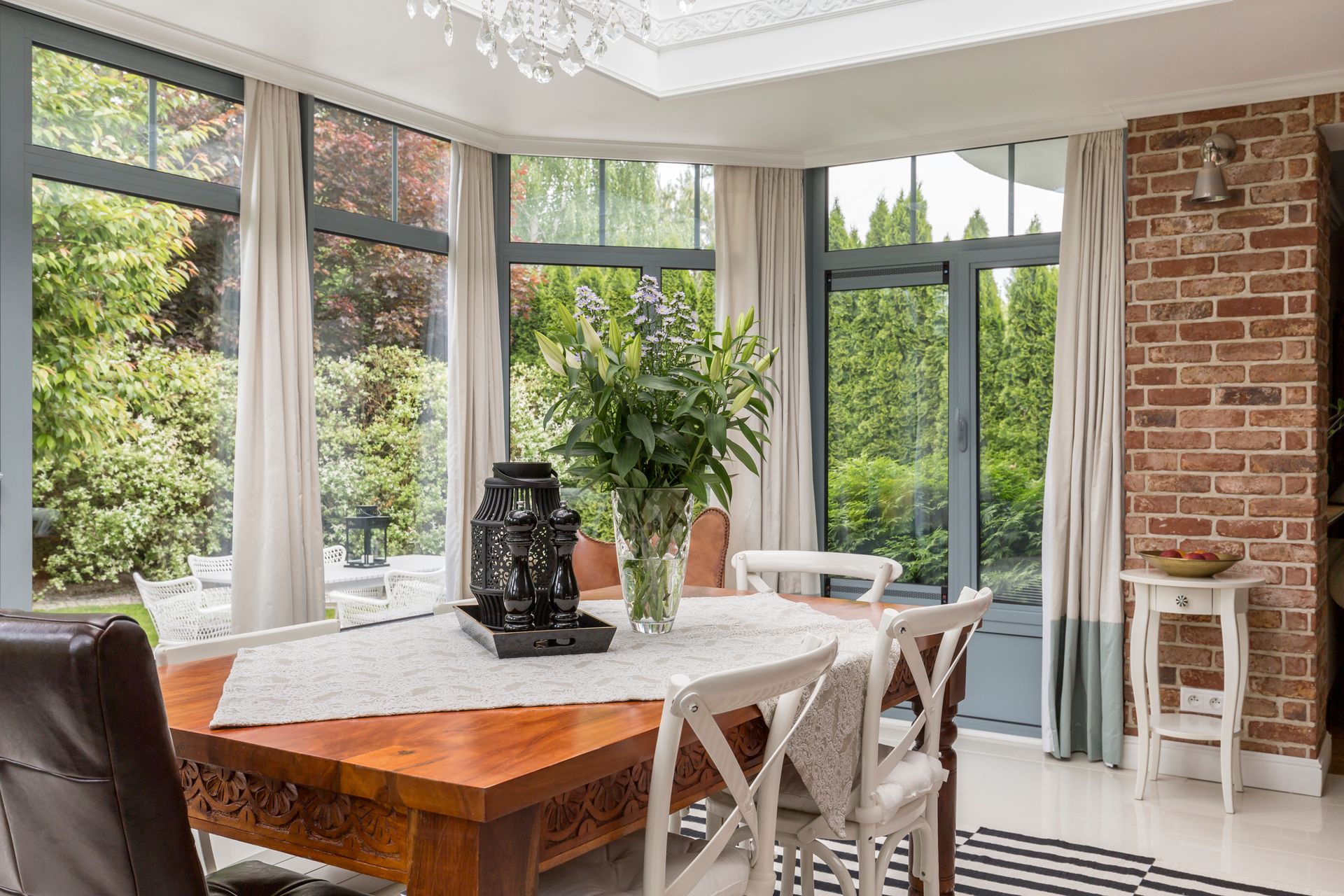
A three-season room typically features large windows and a lighter construction than your main home. It is generally not fully insulated and does not have its own heating and cooling connected to the home's system. Some homeowners use portable heaters or fans to stretch the comfortable season a bit, but it is not built for deep winter.
How It's Used
It shines as a bright, breezy space for reading, dining, relaxing, or entertaining during the warmer months. It brings the outdoors in without the bugs and weather, and it is a popular way to enjoy a Connecticut spring, summer, and fall. When the coldest weather arrives, the room is typically closed off until things warm up again.
Many homeowners love a three-season room as a morning coffee spot, a place for houseplants, or a relaxed dining area in the warmer months. It gives you the feeling of being outside while sheltered from rain, wind, and insects, which is exactly what most people picture when they imagine a sunroom. The seasonal limit is the tradeoff that comes with its lower cost.
The Appeal
The main appeal is cost and simplicity. A three-season room delivers much of the enjoyment of a sunroom at a lower price, which makes it attractive for homeowners who mainly want warm-weather space and do not need year-round use.
What a Four-Season Room Is
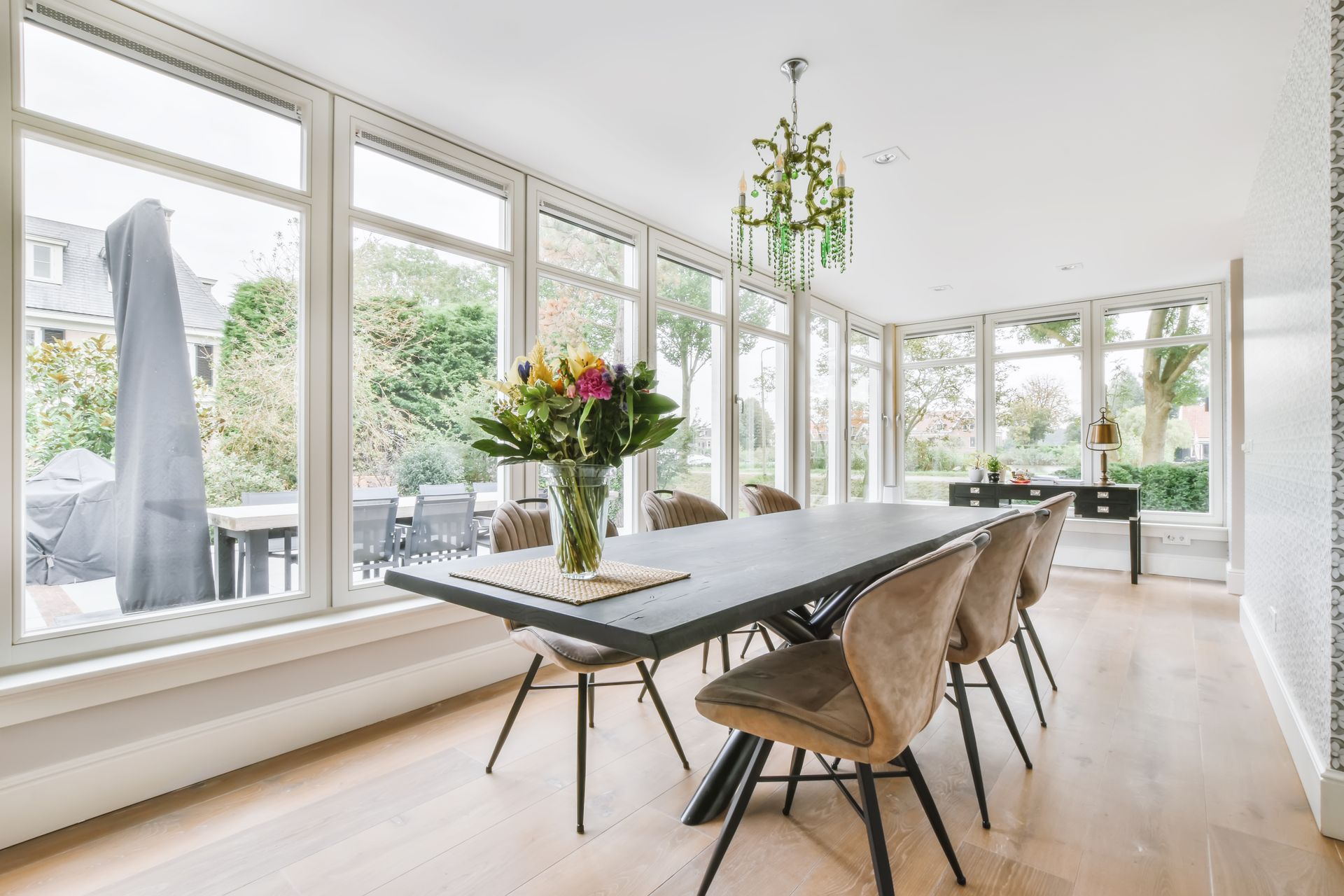
A four-season room is a sunroom built to be comfortable and usable year-round, including through a Connecticut winter.
How It's Built
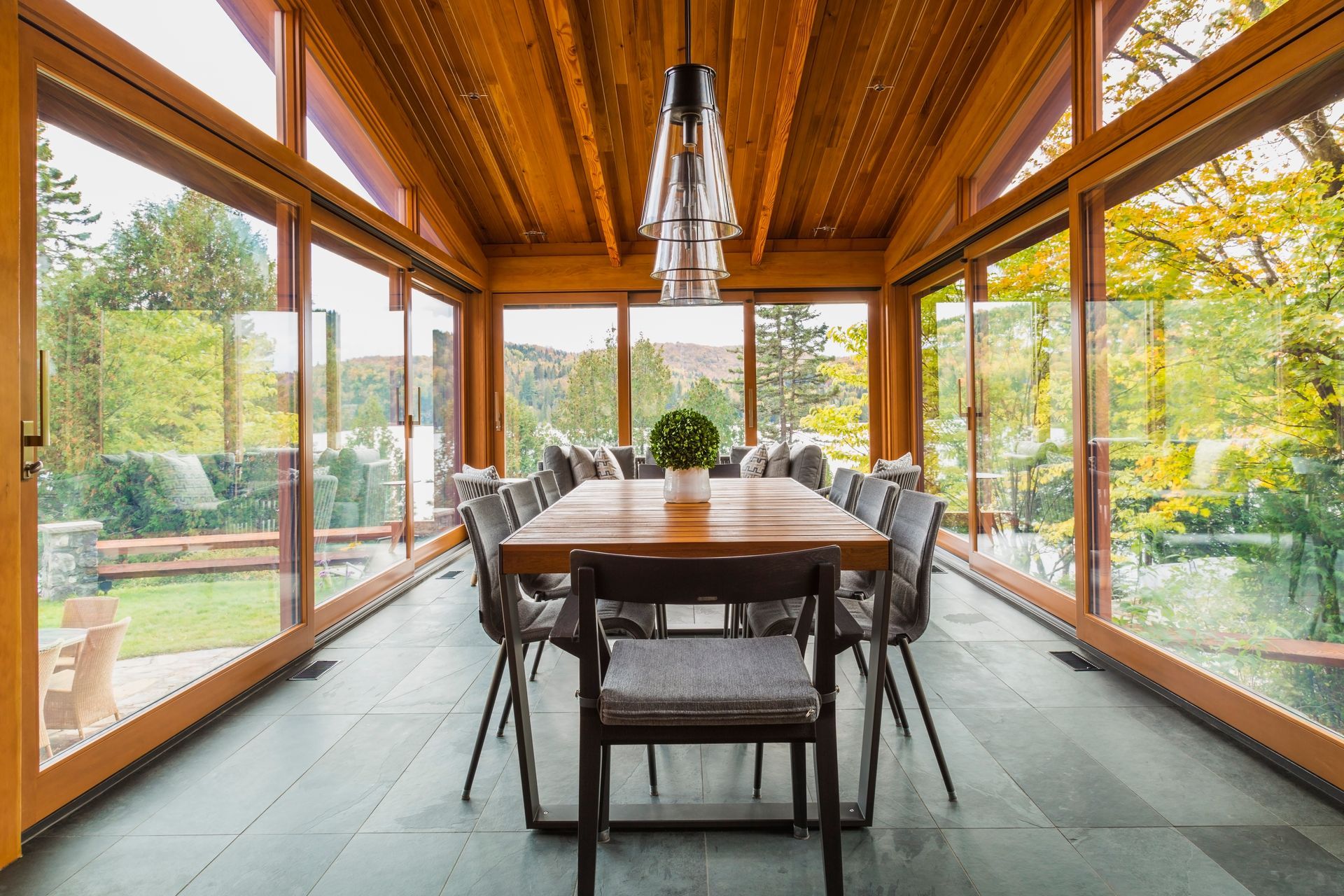
A four-season room is constructed like an extension of your home: fully insulated in the walls, roof, and floor, with energy-efficient windows and its own heating and cooling, whether by extending your home's system or adding a dedicated one. It is built to the standard of living space, which is what allows it to stay comfortable in any weather.
The insulation and the windows are what set it apart. Where a three-season room has minimal insulation and follows the outdoor temperature, a four-season room is sealed and insulated to hold a comfortable temperature regardless of what is happening outside. The heating and cooling then keep it comfortable, and quality windows keep those energy costs in check. This is more involved construction, which is the source of the higher cost.
How It's Used
Because it is comfortable year-round, a four-season room functions as a true room of the house. Homeowners use them as home offices, family rooms, dining spaces, playrooms, or bright retreats in the depth of winter. It is not closed off seasonally; it is part of the home every day.
The Appeal
The appeal is full usability and added living space. A four-season room gives you a genuine room you can use every day, tends to add more to home value than a three-season room, and delivers the bright, light-filled experience of a sunroom without the seasonal limits.
The Core Differences
If you strip the comparison down, the differences come from one thing: whether the room is built for year-round use. That single distinction drives everything else.
Insulation and climate control are the heart of it. A four-season room is insulated and heated and cooled, so it stays comfortable in any weather. A three-season room is not, so it follows the outdoor temperature and becomes too cold to enjoy in a Connecticut winter. Everything else, from cost to construction to how you use the space, flows from this.
Because the four-season room is built to the standard of living space, it also generally counts toward your home's usable square footage in a way a three-season room does not, which is part of why it contributes more to home value. The three-season room, in exchange for those limits, costs considerably less and is simpler to build.
Neither is better in the abstract. They are different tools for different goals. The question is which goal is yours.
One more practical point: it is very difficult and expensive to convert a three-season room into a four-season room later. The insulation, the systems, and sometimes the foundation and framing are different from the start. So this is not really a "build three-season now and upgrade later" decision; it is a choice worth making correctly up front based on how you realistically expect to use the space over the years you own the home.
Side-by-Side Comparison
Here is the full comparison on one screen.
| Factor | Three-Season Room | Four-Season Room |
|---|---|---|
| Usable seasons | Spring, summer, fall | All year, including winter |
| Insulation | Minimal | Full (walls, roof, floor) |
| Heating and cooling | None or portable | Integrated, year-round |
| Typical cost | Lower ($20K to $40K) | Higher ($40K to $80K+) |
| Counts as living space | No | Yes |
| Adds to home value | Some | More |
| Winter usability | Closed off | Fully usable |
| Construction | Lighter | Built like the home |
| Energy costs | None in off-season | Ongoing (heated/cooled) |
| Best for | Warm-month enjoyment | Everyday year-round use |
Cost Compared
Cost is often the deciding factor, and the gap between the two is significant.
The Price Difference
A three-season room typically runs lower because it uses lighter construction and skips the insulation, heating, and cooling of a four-season room. A four-season room costs more because it is built to living-space standards. The difference reflects real construction, not just a label. For full pricing detail, see our guide on sunroom addition cost.
The Ongoing Cost
There is also an ongoing cost difference. A four-season room is heated and cooled, so it adds to your utility bills year-round, though good insulation and energy-efficient windows keep that reasonable. A three-season room has no such ongoing cost during the months it sits unused.
The Value Consideration
The higher upfront cost of a four-season room often comes with more added home value, since it is true living space. If resale value factors into your decision, that is worth weighing against the lower cost of a three-season room. Neither is the "right" financial answer universally; it depends on your priorities.
When a Three-Season Room Is the Better Choice
A three-season room is the smarter pick in these situations.
You Mainly Want Warm-Weather Space
If your goal is a bright place to enjoy spring through fall, and you do not need it in winter, a three-season room gives you exactly that without paying for year-round systems you would not use.
Budget Is a Priority
If cost is the deciding factor, a three-season room delivers much of the sunroom experience at a meaningfully lower price. It is the more accessible way to add a sunroom to your home.
You Have Another Warm Space in Winter
If your home already has comfortable living space for the winter and you simply want to expand your warm-weather options, a three-season room fills that role well without duplicating what you already have.
When a Four-Season Room Is the Better Choice
A four-season room is the smarter pick in these situations.
You Want to Use the Room Year-Round
If you want a space you can enjoy every day, including a snowy January, only a four-season room delivers that in Connecticut. This is the single biggest reason homeowners choose four-season construction.
You Want True Added Living Space
If you want the room to function as a real part of the house, a home office, family room, or everyday retreat, a four-season room provides that. A three-season room cannot serve as reliable year-round living space.
Home Value Matters to You
If you want the addition to contribute meaningfully to your home's value, a four-season room generally adds more because it counts as finished living space. For homeowners thinking about resale, that can justify the higher cost. Our article on whether
a sunroom increases home value explores this.
The Connecticut Climate Factor
Connecticut's climate is what makes this decision more consequential here than it would be in a milder place.
Our winters are cold and long. A three-season room in Connecticut is genuinely unusable for a meaningful stretch of the year, not just a few chilly weeks. That means choosing a three-season room is choosing to close the space off for a real portion of the year. For some homeowners that is a fine tradeoff for the cost savings; for others it is a dealbreaker.
The flip side is that a well-built four-season room is a wonderful thing in a Connecticut winter: a bright, warm, light-filled space when the rest of the season is gray and cold. Many homeowners find that the four-season room becomes their favorite room precisely because of the winter contrast. If you build four-season, investing in quality insulation and energy-efficient windows is what makes the room comfortable and affordable to heat through our winters. This is exactly the kind of climate-appropriate building that matters most in New England.
How to Decide for Your Home
The decision comes down to a few clear questions about how you live and what you value.
Ask yourself: Do I want to use this room in the winter, or only in the warmer months? Is my budget the priority, or is year-round usability worth investing more? Do I want true added living space, or a seasonal bonus space? Does resale value factor into my thinking? Your answers usually point clearly to one option.
For many Connecticut homeowners, the winter question is the one that settles it. If closing the room off from December through March is acceptable, a three-season room saves money. If you want to enjoy the space all year, the four-season room is worth the added investment. Either way, matching the room to how you will actually use it is what leads to satisfaction with the result.
Build the Right Room in Connecticut
Choosing between a three-season and four-season room is the foundation of a successful sunroom project. Get it right, and you end up with a space that fits how you live and how you want to use it. The decision is less about which is better and more about which is right for you, your budget, and the Connecticut climate.
J.C. Tonnotti builds both three-season and four-season rooms across Southington, Bristol, Cheshire, and central Connecticut, and we help homeowners make this choice with clear guidance and no pressure.
Contact us to talk through your project, or explore our
sun and patio rooms to see what we build.

Frequently Asked Questions
What is the difference between a three-season and four-season room?
A three-season room is built for spring, summer, and fall, with lighter construction and no full insulation or climate control. A four-season room is fully insulated with heating and cooling, so it is comfortable year-round, including winter. The four-season room functions as true living space, while the three-season room is a warm-weather space.
Is a four-season room worth the extra cost?
It depends on how you will use it. If you want to enjoy the space year-round, including a Connecticut winter, the four-season room is worth it because a three-season room simply cannot be used in the cold months. A four-season room also adds more home value. If you only want warm-weather space, a three-season room is the better value.
Can I use a three-season room in the winter?
Not comfortably in Connecticut. A three-season room lacks the insulation and heating to stay warm in cold weather, so most homeowners close it off during the coldest stretch. Portable heaters can extend the season slightly, but the room is not built for deep winter use the way a four-season room is.
Does a four-season room add more value than a three-season room?
Generally yes. Because a four-season room is fully insulated, heated, and cooled, it counts as true living space and typically contributes more to home value than a three-season room. Both add appeal, but the four-season room's status as year-round living space is what gives it the edge at resale.
Which is better for Connecticut's climate?
It depends on your goals, but Connecticut's cold winters make the choice more significant here. A three-season room will be unusable for a real portion of the year. A four-season room stays comfortable year-round and is often a favorite space in winter. If year-round use matters to you, four-season construction is the better fit for our climate.
Share this post
OTHER BLOG POSTS