How Much Does a Sunroom Addition Cost? What to Expect

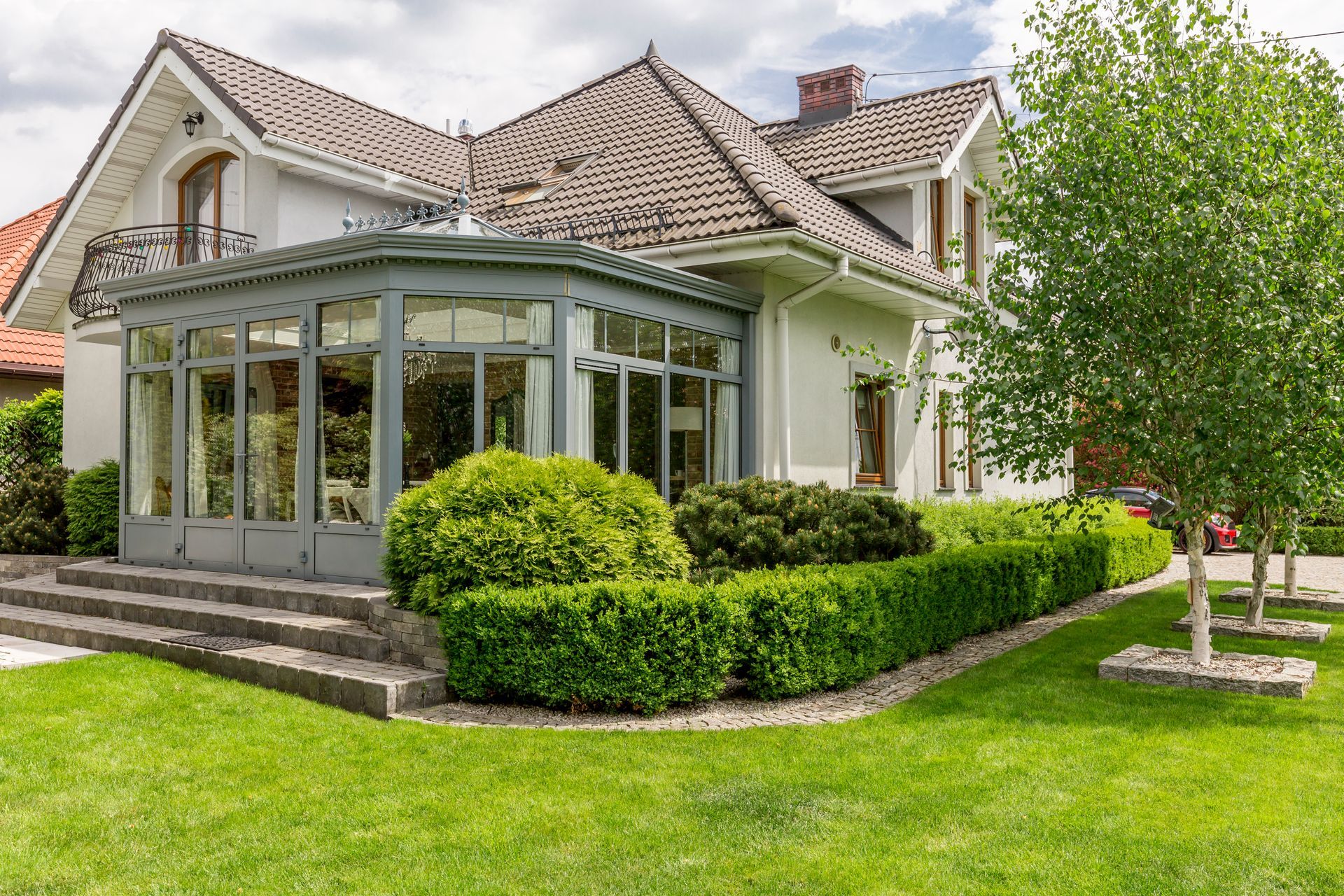
A sunroom addition in Connecticut typically runs from around $20,000 to $80,000 or more, with the biggest factor being whether you build a three-season room (unheated, for spring through fall) or a four-season room (fully insulated and climate-controlled for year-round use). Three-season rooms sit at the lower end, four-season rooms at the higher end because they require insulation, heating, cooling, and more substantial construction. The final number depends on the size, the materials, the foundation, and how much site work your home needs.
J.C. Tonnotti has added sunrooms and patio rooms to homes across Southington, Bristol, Cheshire, and communities throughout central Connecticut. We help homeowners weigh the three-season versus four-season decision every season, because it is the choice that shapes both the cost and how you will actually use the space. This guide breaks down realistic price ranges, what drives the cost up or down, and how to budget for the sunroom that fits your home.
In This Guide
- The Quick Answer on Cost
- Three-Season vs. Four-Season: The Biggest Cost Factor
- Typical Sunroom Price Ranges
- What Drives the Cost
- What the Price Includes
- Is a Sunroom Worth the Investment?
- Ways to Manage the Cost
- Sunrooms and Connecticut's Climate
- How to Get an Accurate Quote
- Plan Your Sunroom in Connecticut
- FAQ
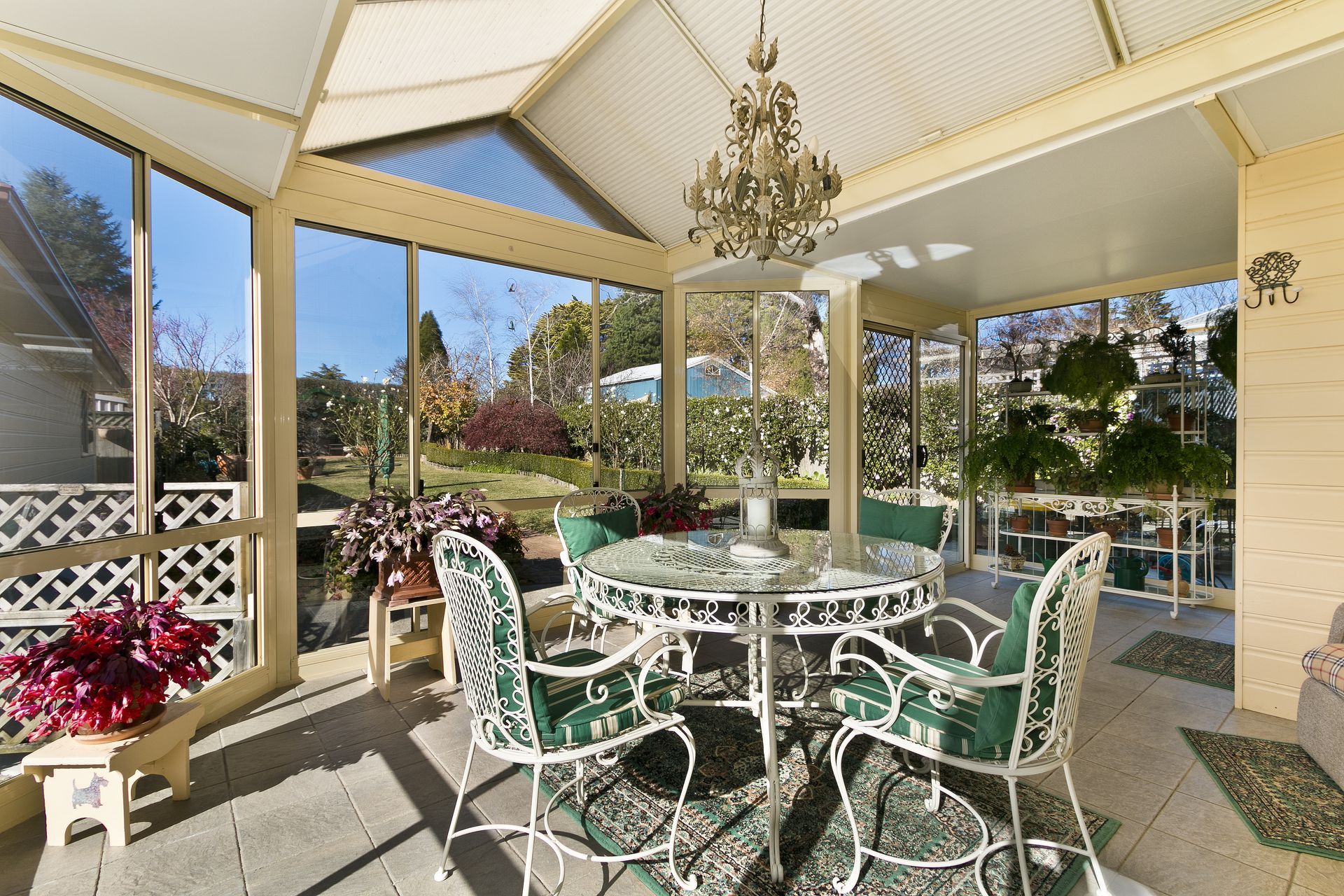
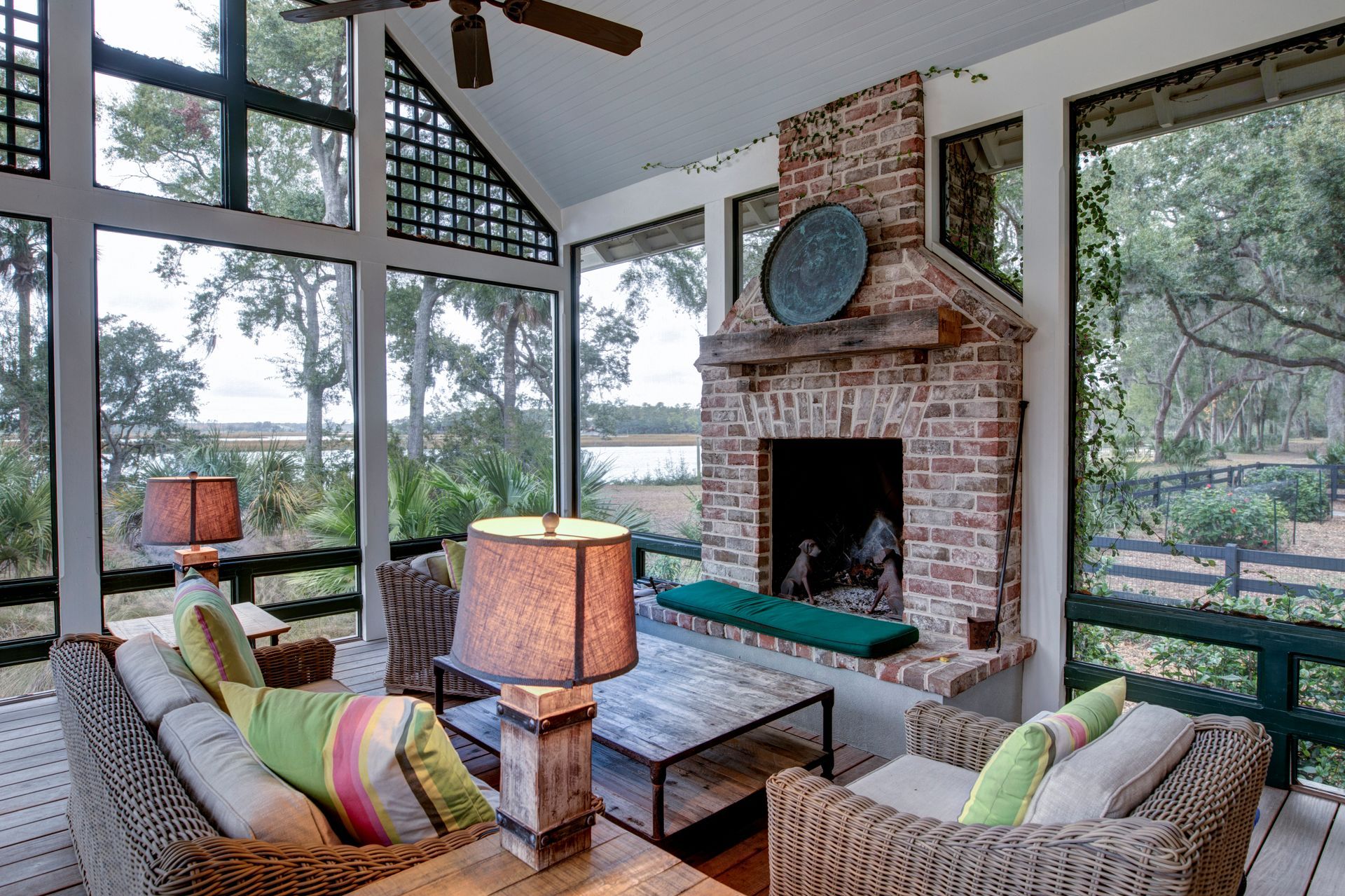
The Quick Answer on Cost
Here is what most Connecticut homeowners can expect to pay for a sunroom addition.
The Realistic Ranges
- Three-season room: roughly $20,000 to $40,000
- Four-season room: roughly $40,000 to $80,000 or more
- Prefabricated kit-style rooms: can be lower, but with tradeoffs in customization and integration
These are wide ranges because a sunroom is not a single product. The type, size, materials, and site conditions all move the number significantly.
What Makes the Difference
The single biggest cost driver is whether the room is built for year-round use. A four-season room needs insulation, its own heating and cooling, and construction that meets the standards of living space, all of which add cost over a three-season room designed only for mild-weather use.
The Path Forward
Decide first how you want to use the space, since that determines the type, and the type determines much of the cost. Our
sun and patio rooms page covers the options we build.
Three-Season vs. Four-Season: The Biggest Cost Factor
Before looking at numbers, this is the decision that shapes them. The two types serve different purposes and cost accordingly.
Three-Season Rooms
A three-season room is designed for use in spring, summer, and fall, but not the depth of a Connecticut winter. It typically has large windows, is not fully insulated, and does not have its own heating and cooling tied into the home's system. It costs less because it is lighter construction meant for mild-weather enjoyment.
Four-Season Rooms
A four-season room is built like an extension of your home: fully insulated, with heating and cooling, and constructed to be comfortable year-round, including a snowy January. Because it is essentially finished living space, it costs more and often adds more value to the home. For a deeper comparison of the two, see our guide on 3-season vs 4-season rooms.
Which One Fits You
If you want a bright space to enjoy in warm months and want to spend less, a three-season room fits. If you want usable living space every day of the year and are willing to invest more, a four-season room is the answer. This choice comes first because everything else follows from it.
Quick Comparison
| Factor | Three-Season Room | Four-Season Room |
|---|---|---|
| Typical cost | $20,000 to $40,000 | $40,000 to $80,000+ |
| Insulation | Minimal | Full |
| Heating and cooling | None (or portable) | Integrated, year-round |
| Usable in winter | No | Yes |
| Counts as living space | No | Yes |
| Adds to home value | Some | More |
| Best for | Warm-month enjoyment | Everyday, year-round use |
Typical Sunroom Price Ranges
Real numbers help, as long as you understand what shifts them. Here is a closer look at where projects tend to land.
A modest three-season room using standard materials sits at the lower end of the range. As you add size, upgraded windows, higher-end finishes, and especially the insulation and climate control of a four-season room, the price climbs. A large, fully finished four-season room with premium materials and significant site work reaches the top of the range or beyond.
Why the Ranges Are Wide
Two sunrooms of the same square footage can cost very differently based on type, materials, foundation needs, and how the room ties into your existing home. This is why a specific quote requires seeing your home and understanding your plans, rather than relying on a generic per-square-foot figure.
Prefab vs. Custom
Prefabricated or kit-style sunrooms can lower the upfront cost, but they offer less customization, may not integrate as seamlessly with your home's architecture, and vary in how well they handle Connecticut winters. A custom-built room costs more but is designed for your home and climate.
What Drives the Cost
Several specific factors determine where your sunroom lands in the range. Understanding them helps you budget and compare quotes.
Size
The larger the room, the more materials and labor, so square footage is a direct cost driver. But bigger is not always proportionally more expensive, since some fixed costs (foundation setup, tying into the home) are spread across the size.
Type and Insulation
As covered above, four-season construction with full insulation and climate control costs more than three-season construction. This is the largest single variable in most projects.
Foundation and Site Work
Whether the sunroom is built on an existing slab or patio, or requires a new foundation, significantly affects cost. Grading, drainage, and site preparation add up when the location is not already suitable.
This is one of the less visible cost factors but a real one. If you already have a well-built patio or slab in the right spot, you may be able to build on it and save considerably. If the site needs a new foundation, grading, or drainage work before the sunroom can go up, that foundation work becomes a meaningful line item before the room itself even starts.
Windows and Materials
Sunrooms are defined by their glass, and window quality matters for both cost and comfort. Energy-efficient windows cost more upfront but make a four-season room far more comfortable and efficient in Connecticut's climate. Frame materials, roofing, and finishes all factor in too.
The amount of glass is part of what makes a sunroom feel like a sunroom, so this is not an area to minimize. But the quality of that glass is what determines whether the room is comfortable and affordable to heat. In a four-season room especially, spending on good windows is one of the better investments in the whole project, because it directly affects how usable the space is in winter and how much it costs to keep warm.
Heating, Cooling, and Electrical
A four-season room needs to be heated and cooled, whether by extending the home's system or adding a dedicated one, plus electrical for lighting and outlets. These systems are a meaningful part of the four-season cost.
Permits and Structural Work
Sunroom additions require permits and must meet building code. If the project involves structural changes to your home or complex tie-ins, that adds to the cost.
What the Price Includes
A sunroom quote covers more than just the room itself. Knowing the components helps you compare estimates accurately.
- Design and planning for the room and how it connects to your home
- Permits and ensuring the project meets Connecticut building code
- Foundation or slab work as needed for the site
- The structure itself, including framing, roofing, and walls
- Windows and doors, usually the defining feature of the room
- Insulation and climate control for four-season rooms
- Electrical work for lighting, outlets, and any systems
- Interior and exterior finishes to complete the space
When comparing quotes, make sure each includes the same scope. A lower quote that leaves out foundation work, permits, or climate control is not comparable to a complete one.
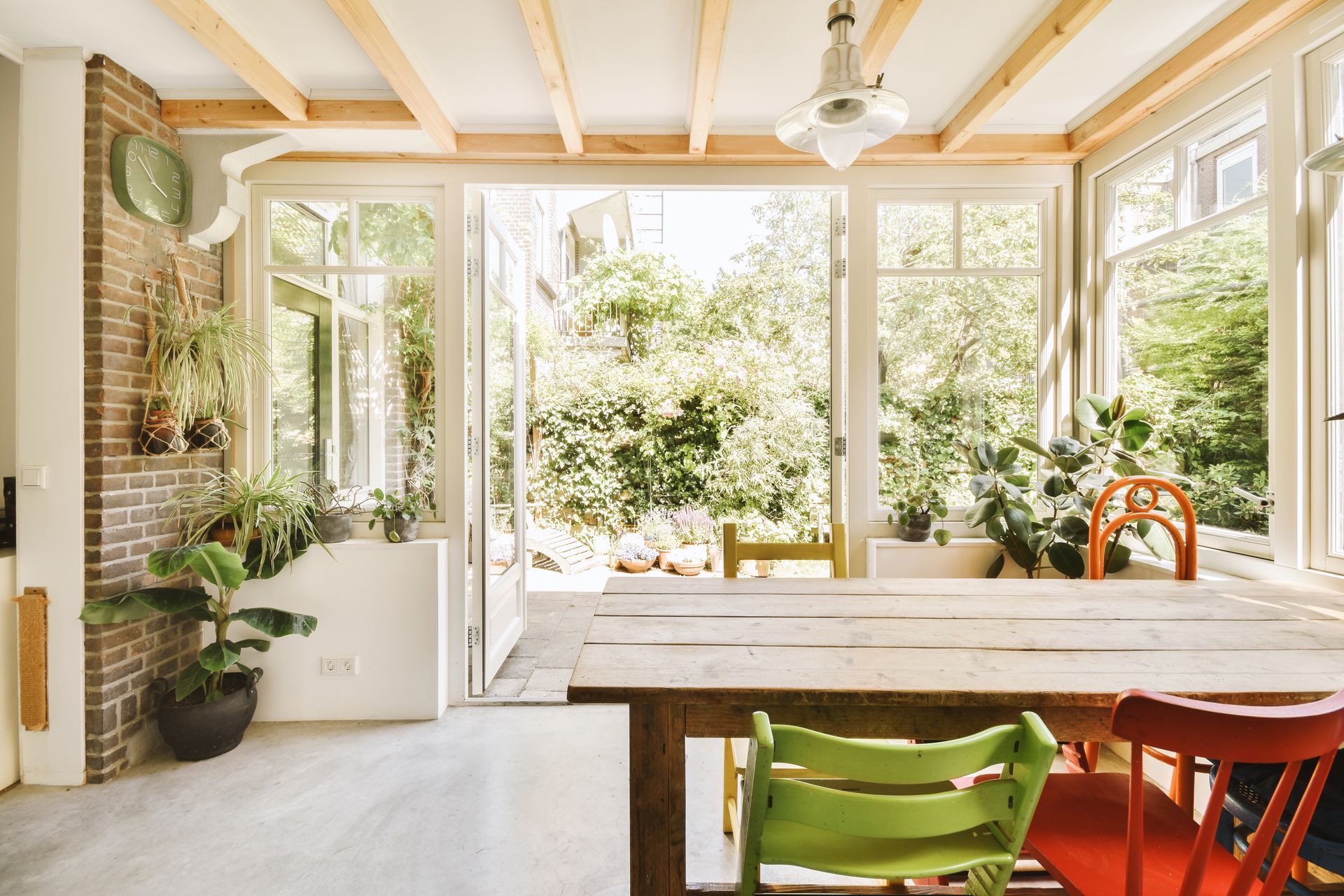
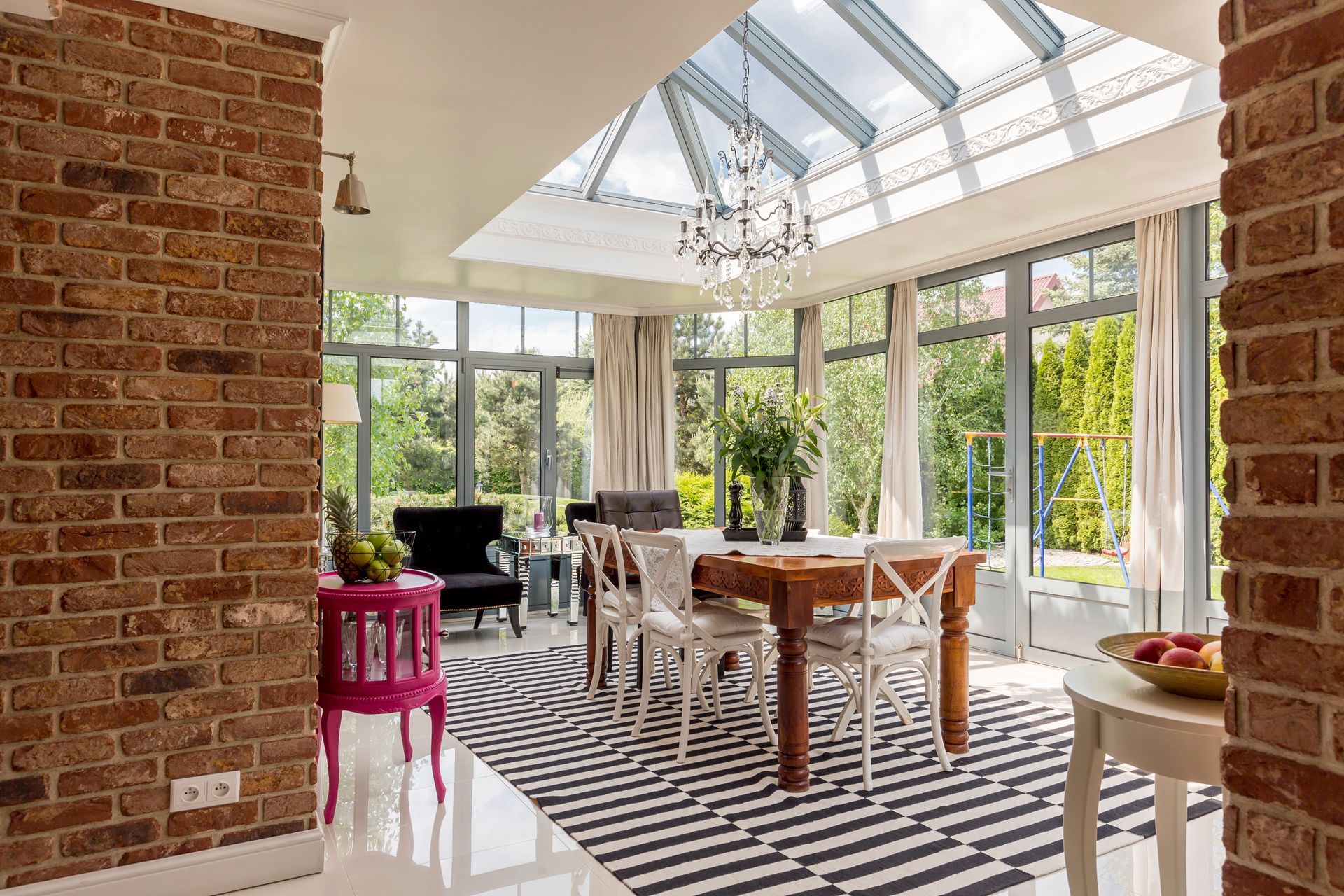
Is a Sunroom Worth the Investment?
A sunroom is a significant addition, so the value question is worth asking directly.
Beyond the enjoyment, a well-built sunroom can add usable square footage and appeal to your home, which many homeowners value at resale. A four-season room, being true living space, generally contributes more to home value than a three-season room, though both add lifestyle value. Our article on whether adding a sunroom increases home value explores this in detail.
The bigger value for most homeowners is how the space is used: a bright spot for morning coffee, a place for plants, a play area, a home office, or a room for entertaining. A sunroom brings in natural light and a connection to the outdoors that a standard room does not, and for many people that daily benefit is what makes it worth it. Our piece on the benefits of adding a sunroom covers this side.
It also helps to think about the sunroom over the years you will own the home. Unlike a renovation that mostly maintains what you already have, a sunroom adds something new to daily life: a room the family gravitates toward, especially in a place like Connecticut where a four-season room offers bright, warm space during the long winter. Spread across many years of use, the cost often looks very different than it does as a single upfront number.
Ways to Manage the Cost
If a sunroom is the goal but the budget needs managing, there are legitimate ways to control the cost.
Choose the Right Type for Your Real Needs
The most effective cost control is being realistic about how you will use the room. If you truly only want warm-weather use, a three-season room saves significantly over a four-season room you would build "just in case."
Build on an Existing Slab or Patio
If you already have a suitable slab or patio, building on it avoids the cost of a new foundation, one of the larger line items when starting from scratch.
Prioritize Where It Matters
Investing in quality windows and proper insulation pays off in comfort and efficiency, especially for four-season rooms in Connecticut. Saving on finishes you can upgrade later is often smarter than cutting the elements that affect how the room performs.
Look Into Current Offers and Financing
Seasonal promotions and financing can make the project more manageable. Our
current offers page is worth checking when planning your budget.
Sunrooms and Connecticut's Climate
Connecticut's climate is a real consideration in the sunroom decision, and it affects both the type you choose and how the room is built.
Our cold, snowy winters are exactly why the three-season versus four-season choice matters so much here. A three-season room will be too cold to enjoy for a good part of the Connecticut year, while a four-season room, properly insulated and heated, stays comfortable through winter. If you want to use the space in December and January, four-season construction is not optional.
The climate also makes window quality and insulation more than a luxury. Energy-efficient windows and proper insulation keep a four-season room comfortable and keep heating costs reasonable through a New England winter. Cutting corners on these elements leads to a room that is expensive to heat and uncomfortable in the coldest months, which defeats the purpose of building for year-round use.
How to Get an Accurate Quote
The reality is that no one can give you a precise sunroom price without understanding your home and your plans. The cost depends on the type, size, your site, and how the room connects to your house.
An accurate quote starts with a conversation about how you want to use the space, followed by an assessment of your home and the intended location. From there, a builder can give you a real estimate based on your actual project rather than a generic figure. Any firm price quoted without that is a guess that tends to change once the details become clear.
Plan Your Sunroom in Connecticut
A sunroom is one of the more rewarding additions you can make to a Connecticut home, bringing in light and usable space you will enjoy for years. The key is matching the type to how you will actually use it, since that decision shapes both the cost and your satisfaction with the result.
J.C. Tonnotti builds custom sunrooms and patio rooms across Southington, Bristol, Cheshire, and central Connecticut, designed for our climate and your home. If you are considering a sunroom,
contact us for a consultation and a real estimate, or explore our
sun and patio rooms to see what we build.

Frequently Asked Questions
How much does a sunroom addition cost in Connecticut?
Most sunroom additions run from around $20,000 to $80,000 or more. Three-season rooms sit at the lower end, and four-season rooms at the higher end because they require insulation, heating, cooling, and more substantial construction. The final cost depends on the size, materials, foundation, and site work involved.
What is the difference between a three-season and four-season room in cost?
A three-season room costs less, often $20,000 to $40,000, because it is lighter construction without full insulation or climate control. A four-season room typically runs $40,000 to $80,000 or more because it is built like finished living space with insulation, heating, and cooling for year-round use. The type is the biggest cost factor.
Does a sunroom add value to my home?
It can. A four-season room, being true living space, generally contributes more to home value than a three-season room, though both add lifestyle appeal and usable space. Many Connecticut homeowners value the natural light and additional room at resale, but the biggest return for most is daily enjoyment of the space.
Can I build a sunroom on my existing patio or deck?
Often yes, and doing so can reduce cost by avoiding a new foundation. Whether your existing slab, patio, or deck is suitable depends on its condition and construction. A builder needs to assess it to confirm it can support the sunroom and meet code, but building on an existing base is a common way to save.
Do I need a permit for a sunroom in Connecticut?
Yes. Sunroom additions require permits and must meet Connecticut building code, since they are a structural addition to your home. A reputable builder handles the permitting as part of the project. The permit and code compliance are part of what a complete quote should include.
Share this post
OTHER BLOG POSTS