Finding and Fixing Roof Leaks

Stop Roof Leaks Before They Start: Inspection, Repair & Prevention Guide
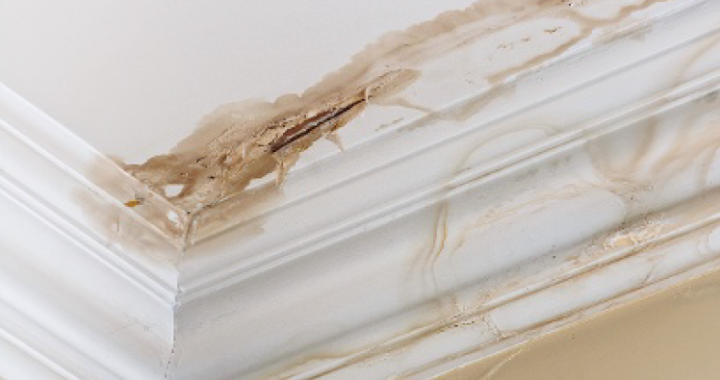
Don’t ignore a leaky roof! While many leaks are affordable and quick to fix, identifying them early is crucial. Left unaddressed, leaks can lead to expensive problems like mold growth, rotting wood, and water damage throughout your house. By being proactive and learning how to spot leaks, you can save yourself a lot of hassle and money down the road.
Spotting Roof Leaks: It’s All in the Inspection
Roof leaks can be tricky. The source might be far from where the water actually appears inside your house. A thorough roof inspection is crucial. Look for:
- Damaged Shingles: Check for cracked, broken, or missing shingles. These are prime suspects for leaks.
- Flashing Issues: Flashing seals around chimneys, vents, and dormers can deteriorate, allowing water to seep in.
- Roof Vent Problems: Cracked or unsealed roof vents can be entry points for water.
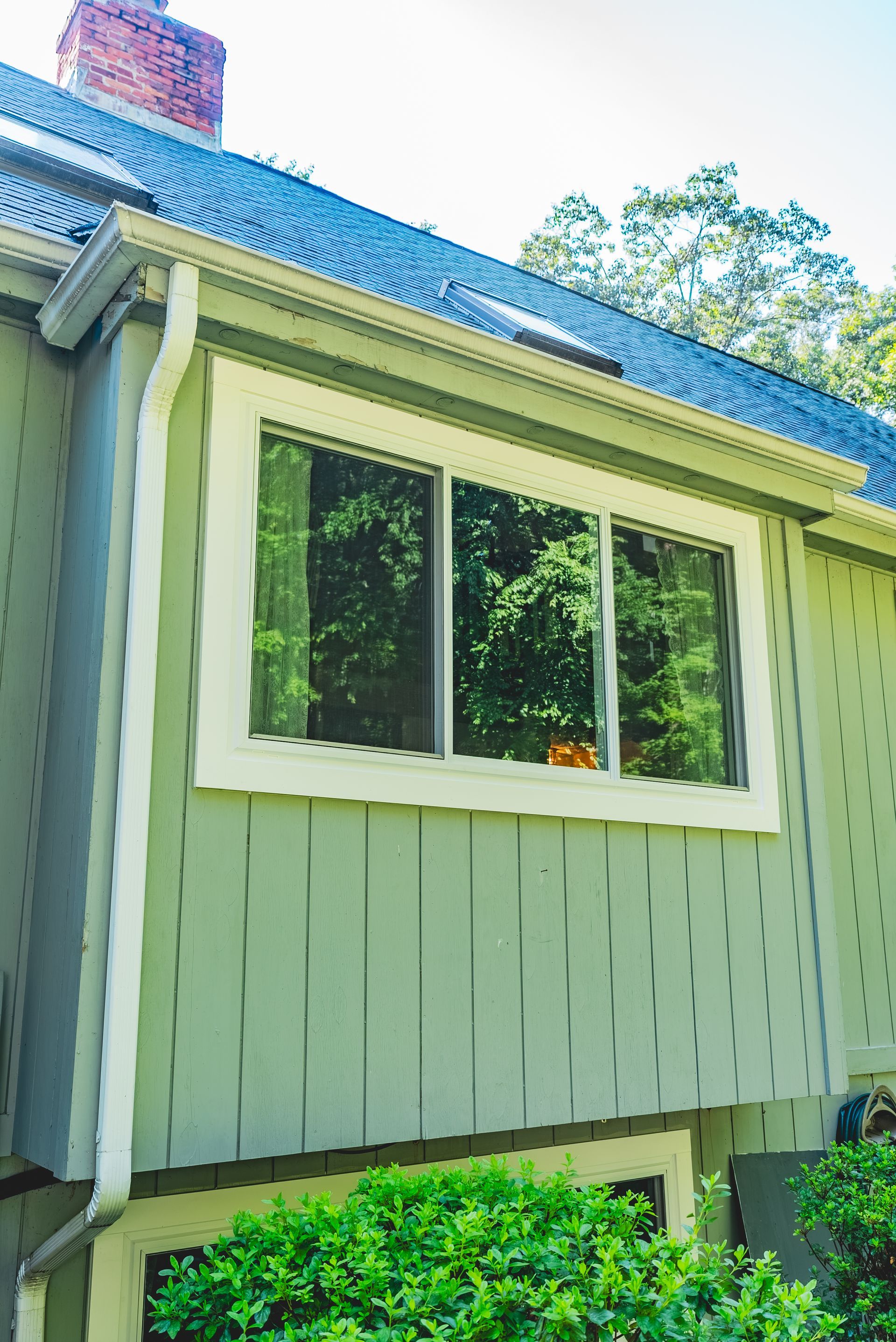
- Dormer Leaks: Missing or damaged siding around dormers can expose your roof to water infiltration.
- Step Flashing Failure: Rusted or loose step flashing (where the roof meets a wall) can cause leaks.
- Holes from Past Installations: Holes left behind from satellite dishes, solar panels, or other roof attachments can become leak points.
DIY or Hire a Pro?
Basic repairs like replacing shingles or sealing vents might be manageable for DIY enthusiasts. However, for complex repairs or extensive damage, it’s best to hire a licensed Connecticut roofing contractor: keyword: Connecticut roofer. Contact JC Tonnotti for your roofing needs.
Preventative Measures: Save Money and Headaches
Schedule Yearly Inspections: Regular inspections by a qualified roofer can catch small problems before they become big leaks.
Address Minor Issues Promptly: Don’t put off repairs! A small leak can quickly worsen, leading to costly water damage inside your home.
By following these tips, you can keep your roof leak-free and protect your home from water damage.
Share this post
OTHER BLOG POSTS