Best Roofing Materials for Connecticut Homes

Choosing a roof in Connecticut is not the same as choosing one in a milder climate. After years of installing and inspecting roofs across the state, our team has seen exactly how heavy snow, freeze-thaw cycles, summer humidity, and Atlantic storms separate materials that hold up from materials that fail early. As a GAF certified roofing contractor, we have walked enough Connecticut rooftops to know which products perform here and which ones look good on a brochure but disappoint after a few hard winters. This guide breaks it all down without the sales pitch so you can make a confident decision for your home.
The short answer for most Connecticut homes: architectural asphalt shingles offer the best balance of cost, durability, and curb appeal. Metal, slate, and synthetic options are all strong choices when budget and home style support them.
What Makes a Roofing Material a Good Fit for Connecticut?
A great roofing material in California may be a poor choice in Connecticut. The right product has to stand up to our weather, last for decades, and look good doing it.
How Connecticut's Climate Impacts Roof Performance
Connecticut roofs face a punishing yearly cycle. The same surface has to survive blazing summer sun and sub-zero winter nights, often within the same year. The biggest weather challenges include:
- Heavy snow loads and ice buildup along eaves and valleys
- Freeze-thaw cycles that expand and contract roofing materials
- Nor'easters, summer thunderstorms, and high winds
- Long stretches of humidity that encourage algae and moss
- Strong UV exposure on south and west-facing slopes
Any roofing material you pick has to handle all of these conditions, not just one or two.
The Importance of Durability, Longevity, and Weather Resistance
Durability is more than how thick a shingle feels. It is about how the material performs over 20, 30, or 50 years in real Connecticut weather. The best products are tested for high wind ratings, impact resistance, and freeze-thaw cycling. They are also paired with a strong underlayment and ice and water shield to protect the roof system as a whole.
Balancing Cost, Appearance, and Long-Term Value
A cheaper roof installed today can cost more over time if it needs to be replaced sooner. A premium roof with a 50-year lifespan may cost more upfront but pay off over decades. The right choice depends on how long you plan to stay in the home, the style you want, and your budget.
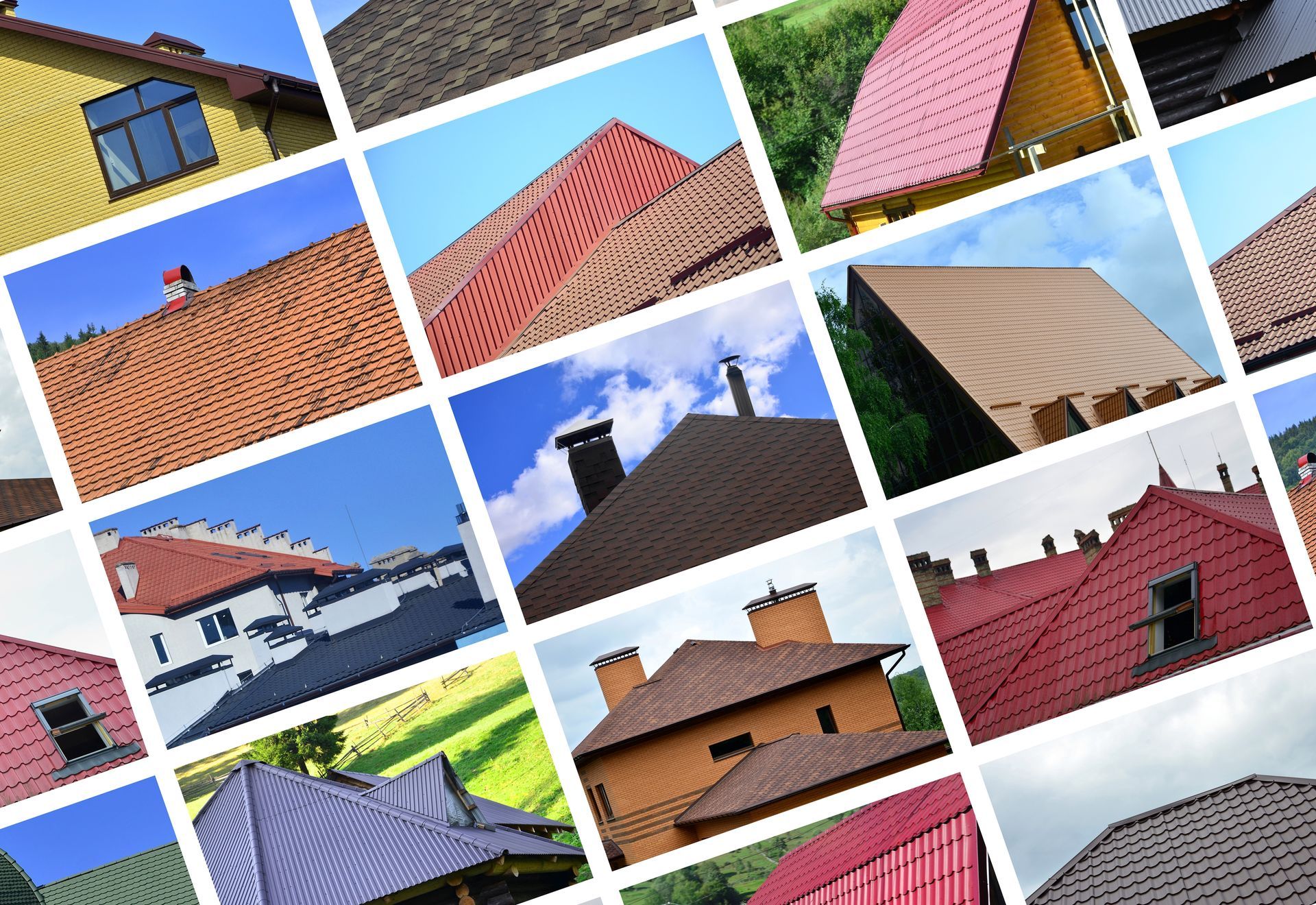
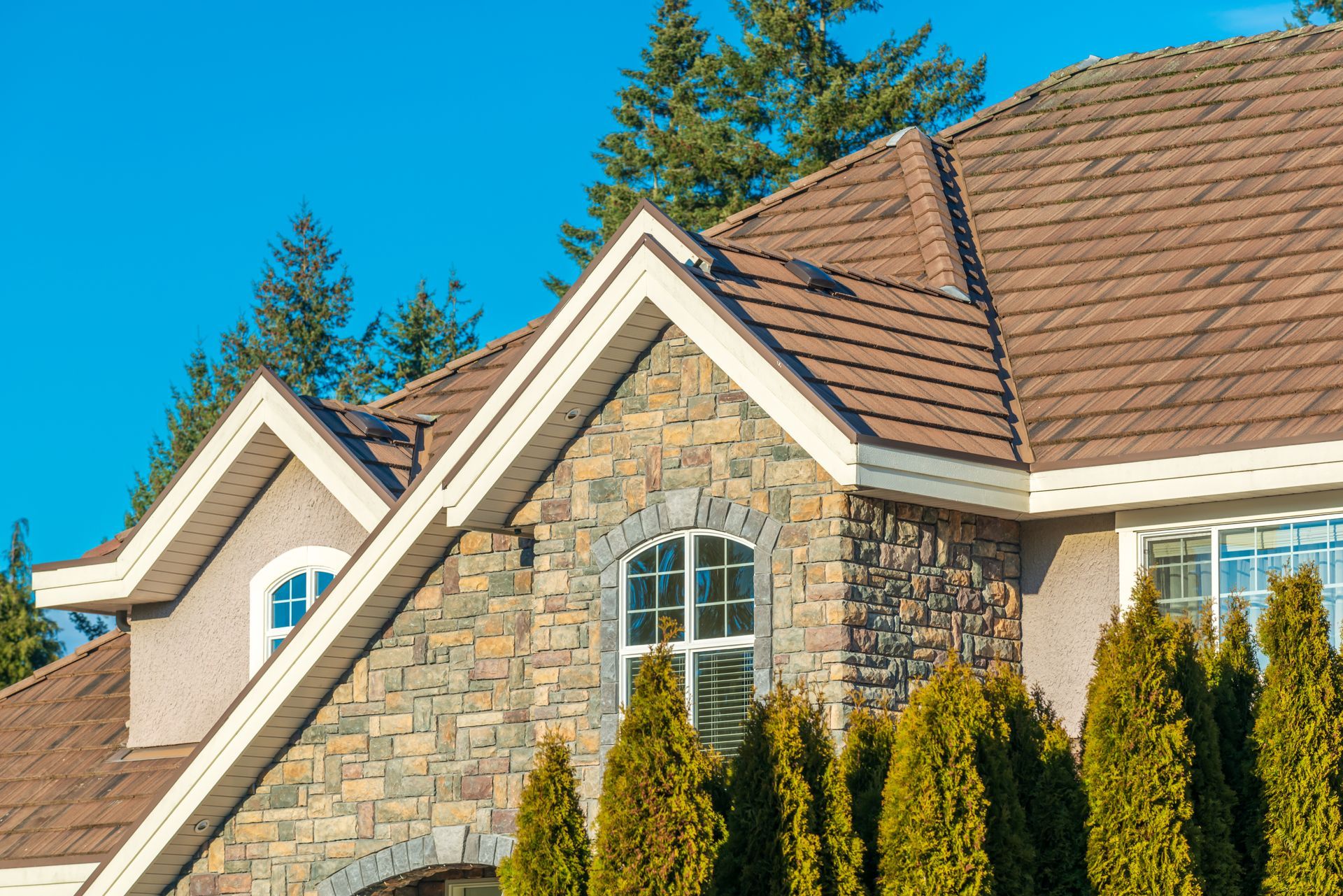
The Most Popular Roofing Materials for Connecticut Homes
Five roofing materials cover almost every home in Connecticut. Each has strengths and trade-offs.
Architectural Asphalt Shingles
The most common roof on Connecticut homes. Thick, multi-layered shingles that resist wind and weather and offer 25 to 30 years of solid performance.
Metal Roofing Systems
A long-term investment that sheds snow easily, resists fire and wind, and can last 40 to 70 years. Common types include standing seam panels and metal shingles.
Cedar Shake Roofing
A traditional New England look. Natural cedar shakes can last 25 to 40 years with regular maintenance and proper ventilation.
Slate Roofing
The longest lasting roof you can buy. Real slate can last 75 to 100 years or more and is often seen on historic homes across the state.
Synthetic and Composite Roofing Materials
Engineered products designed to look like slate, cedar, or other premium materials at a lower weight and cost. Typical lifespans range from 40 to 50 years.
Architectural Asphalt Shingles: Connecticut's Most Common Choice
If you drive through any Connecticut neighborhood, the majority of homes will have architectural asphalt shingles. There are good reasons for that.
Why Homeowners Choose Architectural Shingles
Architectural shingles strike the right balance of price, durability, and looks for most homes. Their main appeal includes:
- Affordable upfront cost compared to metal, slate, or cedar
- A thick, dimensional look that adds depth to a roof line
- Wind ratings that handle Connecticut storms when installed properly
- A wide range of colors and styles to fit different home designs
- Strong manufacturer warranties from brands like GAF, CertainTeed, Atlas, and Tamko
Lifespan, Warranty, and Performance Expectations
A quality architectural asphalt roof in Connecticut typically lasts 25 to 30 years. Manufacturer warranties often cover much longer periods, but real-world lifespan depends heavily on installation quality, attic ventilation, and maintenance. Three-tab shingles, by comparison, last only 15 to 20 years and are no longer the standard for new roofs in most of the state.
Available Styles and Color Options
Architectural shingles come in a wide range of color blends, from classic charcoal and weathered wood to driftwood, slate gray, and warm browns. Many lines include shadow lines and texture variations that give the roof a more dimensional look from the ground.
Metal Roofing for Long-Term Durability
Metal roofing has grown in popularity across Connecticut, and for good reason. It performs exceptionally well in our climate.
How Metal Roofs Handle Snow, Ice, and Wind
Metal roofs are nearly purpose-built for snowy regions. Their winter performance comes from a combination of strengths:
- Smooth panels that shed snow before it can pile up and add weight
- Strong resistance to ice damage when paired with proper attic ventilation
- High wind ratings that handle nor'easter-level gusts
- Non-combustible material that adds peace of mind during dry, windy stretches
- Long lifespan that easily outlasts the worst winters the state can throw at it
Energy Efficiency and Maintenance Benefits
Reflective metal panels can lower attic temperatures in summer, helping cut cooling costs. Maintenance is minimal compared to other materials. A well-installed metal roof rarely needs more than periodic inspections and minor repairs.
When Metal Roofing Makes the Most Sense
Metal roofing is worth the higher upfront cost when you plan to stay in your home long term, when your roof has long slopes that benefit from snow shedding, or when you want a low-maintenance, high-performance roof you may never have to replace.
Slate and Cedar Shake Roofing for Character and Curb Appeal
For homeowners who want something beyond standard shingles, slate and cedar shakes are the premium options.
Benefits of Natural Roofing Materials
Slate and cedar bring an unmistakable look. Slate offers timeless elegance and is common on historic Connecticut homes. Cedar shakes give a warm, natural texture that fits beautifully with colonial and rustic architecture.
Maintenance and Longevity Considerations
Slate is essentially set-and-forget once installed, lasting 75 to 100 years or more. Cedar shakes require more attention. They benefit from regular cleaning, the right ventilation, and occasional treatments to prevent moss, mildew, and rot.
Cost Factors Homeowners Should Understand
Both materials are premium-priced. Slate is one of the most expensive options on the market and requires a structure that can handle its weight. Cedar shakes are more affordable than slate but still cost more than asphalt and add ongoing maintenance.
Comparing Roofing Materials Side by Side
Here is a quick comparison of the most common roofing materials installed on Connecticut homes.
| Roofing Material | Typical Lifespan | Maintenance Level | Weather Resistance | Relative Cost | Best Fit |
|---|---|---|---|---|---|
| 3-Tab Asphalt Shingles | 15 to 20 years | Low | Moderate | $ | Budget replacements |
| Architectural Asphalt Shingles | 25 to 30 years | Low | Strong | $$ | Most CT homes |
| Standing Seam Metal | 40 to 70 years | Very Low | Excellent | $$$ | Long-term ownership |
| Cedar Shake | 25 to 40 years | High | Moderate | $$$ | Traditional homes |
| Slate | 75 to 100+ years | Very Low | Excellent | $$$$ | Historic and premium homes |
| Synthetic / Composite | 40 to 50 years | Low | Strong | $$$ | Premium look at lower weight |
Lifespan Comparison
Slate leads on lifespan, followed by metal, synthetic, cedar, and asphalt. The right pick depends on how long you want the roof to last and how long you plan to live in the home.
Maintenance Requirements
Slate and metal need very little upkeep. Asphalt and synthetic options need light maintenance. Cedar shakes need the most ongoing care to reach their full lifespan.
Weather Resistance Ratings
Metal and slate top the list for weather resistance. Architectural asphalt shingles and synthetic composites perform well across most Connecticut conditions. Cedar performs well when properly maintained but is more sensitive to moisture problems.
Cost and Return on Investment
Asphalt offers the lowest upfront cost. Metal, synthetic, and slate cost more but spread the investment over a much longer lifespan. A premium roof can also lift home value and curb appeal, which matters at resale. For a broader look at high-return upgrades, see our guide to home improvement projects with the highest ROI for CT homeowners.
Aesthetic Appeal and Architectural Compatibility
Architectural shingles work on almost any home. Slate and cedar are best suited to traditional, colonial, and historic styles. Metal fits both modern designs and rustic farmhouses depending on the panel style and color.
Which Roofing Material Performs Best During Connecticut Winters?
Winter is the real test for any roof in this state. Here is how the top materials compare when the snow flies.
Snow Load Resistance
All quality roofing materials can handle Connecticut snow loads when installed on a properly engineered roof structure. Metal and slate have the edge because they are stronger and, in the case of metal, actively shed snow.
Ice Dam Prevention Considerations
No roofing material alone prevents ice dams. The real solution is a combination of proper attic insulation, balanced ventilation, and ice and water shield along the eaves. For a deeper look at what causes ice dams and how to stop them, see our ice dam prevention guide for CT homeowners.
Wind and Storm Protection
Architectural shingles rated for high winds, standing seam metal panels, and slate all perform well in Connecticut storms. Roof flashing, ridge caps, and proper nailing patterns matter as much as the material itself.
Moisture and Freeze-Thaw Durability
Freeze-thaw cycles are one of the biggest reasons roofs age early in Connecticut. Materials that absorb water, like older or untreated cedar, are more vulnerable. Metal, slate, and modern asphalt and synthetic products handle this cycle well when paired with proper underlayment.
Why Proper Installation Matters as Much as Material Selection
Even the best roofing material will fail early if it is installed poorly. Nail placement, flashing details, ventilation cuts, and underlayment overlap are all small things that decide whether a roof lasts 15 years or 30. Choosing an experienced installer is just as important as choosing the right product.
Factors Beyond Roofing Material That Affect Roof Performance
A roof is a system, not a single product. The shingle or panel you see from the ground is only part of the picture.
Attic Ventilation
Balanced intake and exhaust ventilation keeps the underside of the roof deck cool in summer and dry in winter. Poor ventilation cooks shingles from below and creates the conditions for ice dams.
Roof Underlayment and Waterproofing Systems
A modern roof includes synthetic underlayment across the entire deck and ice and water shield along the eaves, valleys, and around penetrations. These hidden layers are what keep water out when wind-driven rain or melting snow gets past the surface.
Flashing and Drainage Components
Flashing around chimneys, walls, skylights, and vents is where most leaks actually start. Quality flashing and proper drainage at the eaves keep water moving off the roof and away from the home.
Installation Quality and Contractor Experience
The roof's performance comes down to how well it is installed. A premium product installed incorrectly will not outperform a mid-range product installed by an experienced crew that knows the local code and climate.
Choosing the Right Roofing Material for Your Home
The best material is the one that fits your home, your budget, and your plans.
Consider Your Budget and Long-Term Goals
If you plan to sell within a few years, architectural asphalt usually delivers the best return. If this is your forever home, premium materials like metal or slate may make more sense over the long run.
Match Roofing Materials to Your Home's Style
A modern colonial may look great in architectural shingles. A historic home may benefit from slate or cedar. A farmhouse or modern build can suit standing seam metal beautifully. Match the material to the architecture.
Evaluate Maintenance Expectations
Be honest about how much maintenance you are willing to take on. Cedar shakes are stunning but require care. Metal and slate are nearly hands-off. Asphalt sits in the middle.
Think About Future Energy Efficiency and Resale Value
Reflective shingles and metal roofs can lower cooling costs. Quality roofing is also a strong selling point at resale, especially when paired with energy efficient windows, doors, siding, and roofs as part of a complete home envelope.
Common Mistakes Homeowners Make When Selecting Roofing Materials
The wrong roof decision can cost you for decades. These are the mistakes we see most often.
Focusing Only on Upfront Cost
The cheapest shingle is rarely the best value. A roof that lasts 15 years instead of 30 will need to be replaced twice in the time a quality roof needs one replacement.
Ignoring Local Climate Conditions
Roofing materials that perform beautifully in mild climates can struggle here. Make sure any product you consider has a strong track record in cold, snowy regions.
Overlooking Manufacturer Warranties
Not all warranties are equal. Read the fine print on coverage length, what is included, and whether the warranty transfers to a new owner if you sell the home.
Hiring Based on Price Alone
The lowest bid often skips key details like proper underlayment, ice and water shield, or experienced labor. Compare apples to apples on what is actually included in the quote.
How to Get the Most Life Out of Your New Roof
A great roof, well-maintained, can outlast its warranty. A few simple habits make a big difference.
Schedule Regular Roof Inspections
A professional inspection once a year, plus a check after major storms, catches small problems early.
Address Minor Repairs Early
Small issues are cheap to fix today but can lead to interior water damage and structural repairs if left alone. Watch for:
- A few missing or lifted shingles after a windstorm
- Cracked or rusted flashing around chimneys, vents, or skylights
- Granules building up at the bottom of downspouts
- Stained or damp spots in the attic or on upstairs ceilings
- Loose or missing caulking around roof penetrations
See our guide to finding and fixing roof leaks for more on what to look for.
Keep Gutters and Drainage Systems Clear
Clogged gutters back water up under the roof edge and rot the fascia. A simple cleaning twice a year prevents a long list of problems.
Monitor Ventilation and Attic Conditions
If you see damp insulation, frost on the underside of the roof deck in winter, or rising energy bills, your ventilation may need attention.
Finding the Best Roofing Solution for Your Connecticut Home
The right roof is the one that fits your home, your climate, and your goals.
Matching Material Performance to Your Needs
If snow shedding and low maintenance matter most, metal stands out. If budget and looks are top priorities, architectural asphalt is hard to beat. If you want a roof that may outlast the rest of the house, slate is the gold standard.
Weighing Cost Against Long-Term Value
Always compare cost over the life of the roof, not just the price tag at install. A 50-year roof at twice the price of a 25-year roof is often the better deal when you do the math.
Working With an Experienced Connecticut Roofing Contractor
Material choice matters, but installation is what makes a roof last. When you compare contractors, look for:
- A long track record of Connecticut roofing work
- Manufacturer certifications like GAF
- Clear, detailed written quotes
- Workmanship warranties in addition to manufacturer warranties
- Strong local reviews and references
An experienced Connecticut roofing team brings all of these together so the roof you pay for actually performs.
Ready to Choose the Right Roof for Your Home?
If you are weighing roofing materials and want straight answers, we can help you compare options based on your home, budget, and long-term plans. No pressure, no hard sell, just clear information from a team that has installed every type of roof discussed in this guide.
Frequently Asked Questions
Can I install a metal roof over my existing asphalt shingles?
In many cases, yes. Metal roofing systems are light enough that a layover is allowed in some local codes. However, putting a new roof over an old one hides problems with the decking and is usually not the best long-term choice. A full tear-off lets the installer inspect and fix anything underneath.
Does roof color matter in Connecticut's climate?
A little. Lighter colors reflect more sunlight and can keep attics slightly cooler in summer, while darker colors absorb more heat and may help with snow melt in winter. Climate impact is real but modest. For most homeowners, curb appeal and the home's overall design carry more weight in the decision.
Does my roof's slope affect which material I can use?
Yes. Steeper roofs can handle almost any material, including slate and cedar. Low-slope or nearly flat roofs need specialty materials like standing seam metal or membrane systems. Asphalt shingles have a minimum slope requirement that your contractor will check before quoting.
Are there tax credits or rebates for energy efficient roofing in Connecticut?
There can be, depending on the product and the year. Certain reflective shingles and metal roofing systems have qualified for federal energy credits in the past, and Connecticut utility programs sometimes offer related rebates. Check current programs before installation since they change year to year.
How does roofing material affect homeowners insurance?
Some insurance companies offer discounts for impact-resistant shingles, metal roofs, or other materials with strong wind and hail ratings. A new roof in good condition can also make a policy easier to renew. Ask your insurance agent before deciding which material to install.
Share this post
OTHER BLOG POSTS