Ice Dam Prevention & Damage Guide for CT Homeowners

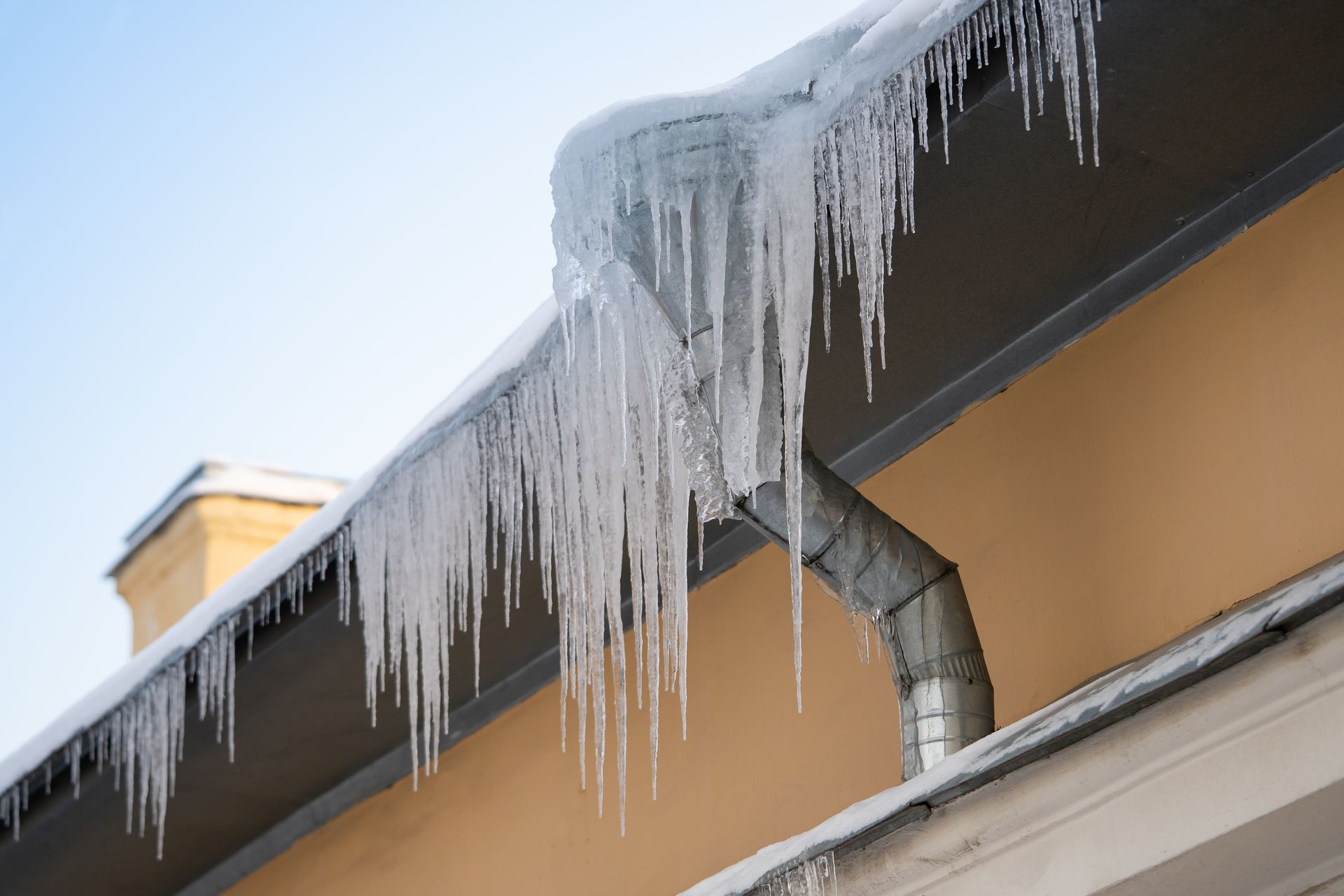
If you want the straight answer up front: ice dams are caused by an uneven roof temperature—snow melts on the warmer upper roof, the water runs down to the colder eaves, then refreezes and builds a “dam.” Once that dam forms, meltwater has nowhere to go, so it can back up under shingles and leak into your home.
J.C. Tonnotti has been working on Connecticut homes for decades—roofing, windows, siding, and exterior repairs—with in-house crews and a full install/service/warranty process. That real-world experience matters here, because ice dams are rarely “just a roof problem.” They’re usually a heat + airflow + ventilation problem that shows up on the roof.
What is an ice dam (and why does it leak)?
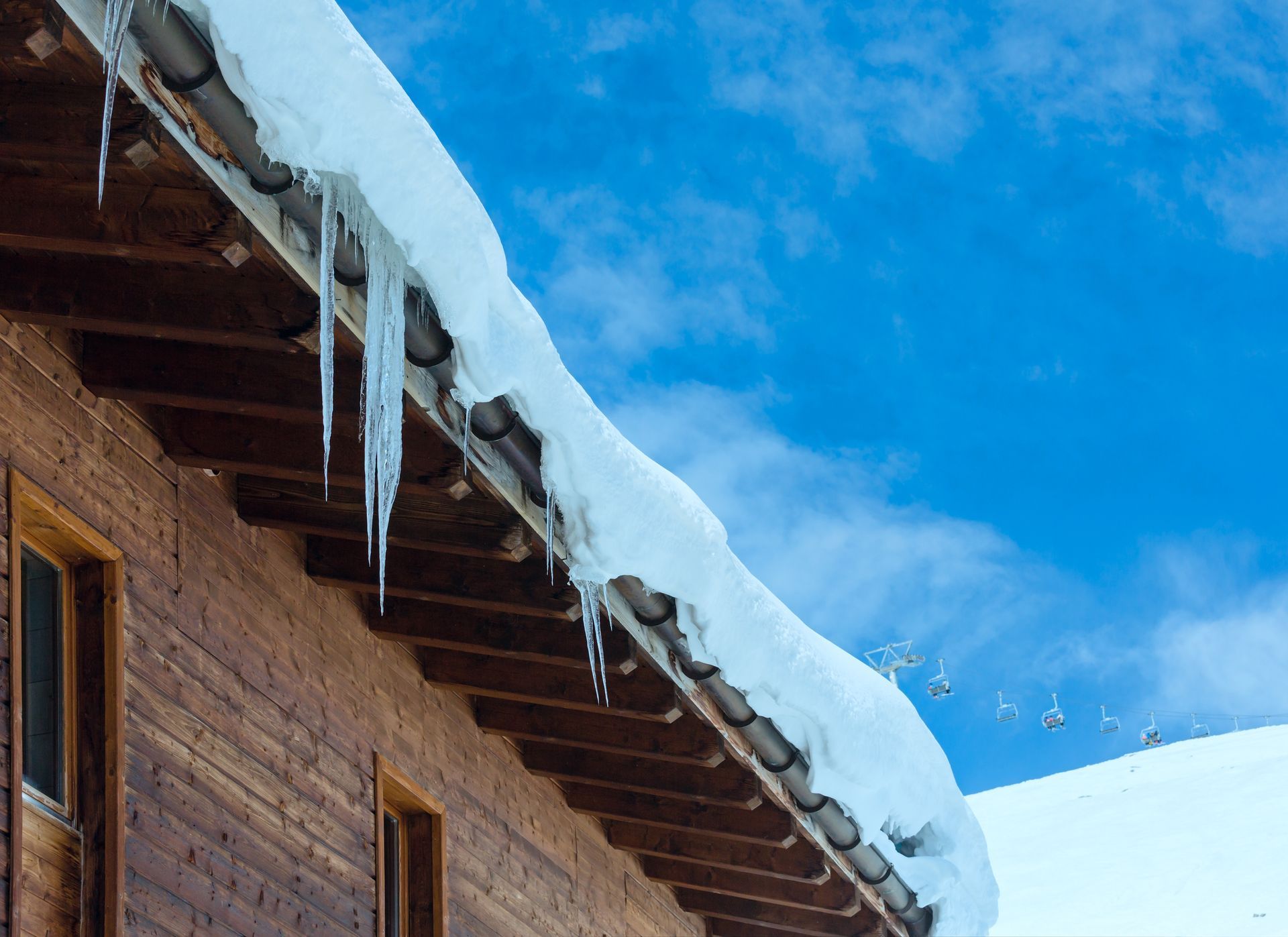
An ice dam is the ridge of ice that forms along the lower edge of your roof (typically near the gutters/eaves). The dam itself isn’t the only issue—it’s what happens behind it.
- Snow melts higher up on the roof.
- Water runs downward.
- The eaves are colder (they hang over unheated soffit areas).
- Water refreezes at the edge and builds ice.
- More meltwater hits that ice ridge and backs up under shingles.
Even a good shingle roof can leak when water is pushed “uphill” under the roofing system.
What causes ice dams?
Ice dams almost always come down to heat escaping from the house and warming parts of the roof deck.
1) Heat loss through the attic (the #1 culprit)
If warm air from the home leaks into the attic, it warms the underside of the roof. That’s enough to start melting snow from below.
Common heat-leak spots:
- attic access hatches/pull-down stairs
- recessed lights (“can lights”)
- bathroom fans venting into the attic (or leaking ductwork)
- plumbing stacks and open wall cavities
- chimneys and flues
- ductwork running through the attic
2) Not enough attic insulation (or uneven insulation)
Even if you have insulation, thin spots or compressed areas can create “warm zones” on the roof. In older CT homes, insulation is often:
- too shallow for today’s standards
- missing at the edges
- disturbed by storage or wiring work
3) Poor attic ventilation (or blocked soffits)
Ventilation helps keep the roof deck closer to the outdoor temperature. Problems happen when:
- soffit vents are blocked by insulation
- there aren’t proper baffles/chutes at the eaves
- the attic has weak exhaust venting (ridge vents, box vents, gable vents) or short-circuits airflow
4) Freeze/thaw cycles and heavy snow (classic Connecticut weather)
CT winters are perfect for ice dams because we get:
- snow events followed by sunny days (melt)
- overnight freezes (refreeze)
- repeated cycles that grow the dam bigger each time
5) Roof layout and exterior details
Certain designs are more prone to ice dams:
- low-slope sections
- valleys that collect snow
- complex rooflines with dormers
- skylights (warm edges can melt snow)
- big temperature differences between roof sections (attached garages, additions, vaulted ceilings)
How to tell if you have an ice dam
Some signs are obvious; others show up inside.
Outside:
- thick ice along the gutters/eaves
- icicles in a solid “wall” formation (icicles alone don’t always mean a dam, but they’re a common clue)
- snow melted in patches on the roof (uneven melt pattern)
Inside:
- water stains on ceilings or exterior walls
- dripping around windows/trim near the top floor
- bubbling paint or peeling drywall
- damp insulation smell in the attic
What kind of damage can ice dams cause?
Ice dams can lead to more than a ceiling stain.
- Roof leaks (water pushed under shingles)
- Rotting fascia/soffit and roof sheathing
- Gutter damage (ice weight pulls gutters loose)
- Interior drywall and insulation damage
- Mold risk from wet insulation and repeated moisture
- Window/trim issues if water finds pathways down exterior walls
What to do right now if you have an ice dam
The goal is to reduce melting and safely remove the conditions that keep the dam growing.
Step 1: Don’t chip at the roof
Hammering or chiseling ice can:
- destroy shingles
- puncture underlayment
- bend gutters
- create bigger problems than the original leak
Step 2: Remove snow from the roof edge (safely)
If you can do it safely from the ground, a roof rake can help by removing the snow that’s feeding the melting/refreezing cycle. Focus on the lower few feet of the roof.
Step 3: If water is actively leaking inside
- Put buckets/towels down immediately
- If a ceiling is bulging, that’s trapped water—it can collapse. Call a pro if you’re unsure.
- Document damage (photos) in case insurance becomes involved
Step 4: Call a professional for removal if it’s severe
Pros often use steam removal because it clears ice without tearing up the roof system. If your ice dam is large, ongoing, or you’ve got interior leaking, this is usually the smartest move.
How to prevent ice dams long-term (the right way)
If you’re looking up how to prevent ice dams, here’s the truth: the best fix is making your roof a “cold roof” by stopping attic heat loss and maintaining proper airflow.
1) Air-seal attic leaks first
Air sealing is often more important than adding insulation alone. Sealing stops warm, moist air from getting into the attic and warming the roof deck.
2) Upgrade attic insulation (even coverage matters)
After air sealing, insulation helps keep heat inside the home where it belongs. The key is consistent depth and avoiding thin spots—especially near the top plates and attic edges.
3) Keep soffit vents open and install proper baffles
Those foam or cardboard baffles at the eaves aren’t just “nice to have.” They prevent insulation from blocking soffit airflow and help keep roof temperatures stable.
4) Improve ventilation balance
A common goal is intake at the soffits and exhaust near the ridge/upper roof. Every attic is different, but the big picture is:
- bring cold air in low
- let warmer attic air exhaust high
- avoid trapped warm pockets that melt snow from below
5) Use the right roof protection during replacement
If you’re replacing a roof (or portions of it), talk about:
- ice-and-water membrane along eaves/valleys (common best practice in snow climates)
- correct flashing around valleys, chimneys, skylights
- clean gutter lines and proper drip edge details
6) Skip the “band-aids” unless you know what you’re doing
Heat cables can help in specific cases, but they often become a permanent workaround for an underlying attic issue. The best long-term ROI is usually air sealing + insulation + ventilation.
When to call a pro (and what to ask)
Call for help if:
- you have active interior leaking
- the dam is large/thick or hard to reach safely
- you’ve had repeat ice dams every winter
- you suspect attic ventilation/insulation issues
What to ask a contractor:
- “Can you identify where heat is escaping into the attic?”
- “Are my soffit vents blocked?”
- “Is my attic ventilation balanced?”
- “Do you see any roof deck staining/rot in the attic?”
- “If I’m due for a roof, what ice-and-water protection makes sense for my roofline?”
Want a second set of eyes on your roof/attic setup?
If you’re dealing with ice dams (or want to stop them before the next big storm), J.C. Tonnotti can help you pinpoint the real cause—whether it’s attic heat loss, ventilation issues, roofline details, or exterior damage—and recommend the right fix.
Call: (860) 621-1642
Email: office@jctonnotti.com
Service Area: All of Connecticut
Share this post
OTHER BLOG POSTS