
Condensation on Windows: Why It Happens, How to Prevent It & What to Do

Condensation forms on windows when warm, moist indoor air meets the cold surface of the glass and the water vapor turns back into liquid. A little interior condensation on a cold winter morning is normal and simply tells you the indoor air is humid. Condensation on the outside of the glass is harmless. But fog or moisture trapped between the panes of a double-pane window means the seal has failed, and that usually calls for replacement. The fix for most window condensation is to lower indoor humidity and improve ventilation.
At J.C. Tonnotti Window Company, windows are our specialty. Family owned and operated in Connecticut for over 40 years, we have helped homeowners across the state understand and solve window condensation through every kind of winter. This guide explains exactly why it happens, how to prevent it, what to do when it appears, and how to tell when the windows themselves are the problem.
In This Guide
- What Causes Condensation on Windows?: The simple science behind it.
- The Three Types of Window Condensation: Interior, exterior, and between the panes.
- Is Condensation on Windows a Problem?: When it is normal and when it is not.
- What Causes High Indoor Humidity?: Where the moisture comes from.
- How to Prevent Condensation: The habits that keep glass clear.
- What to Do When You See Condensation: Your first steps.
- How to Fix Persistent Condensation: Lasting solutions.
- When It Means You Need New Windows: The signs to watch for.
- Frequently Asked Questions: Quick answers for homeowners.
What Causes Condensation on Windows?
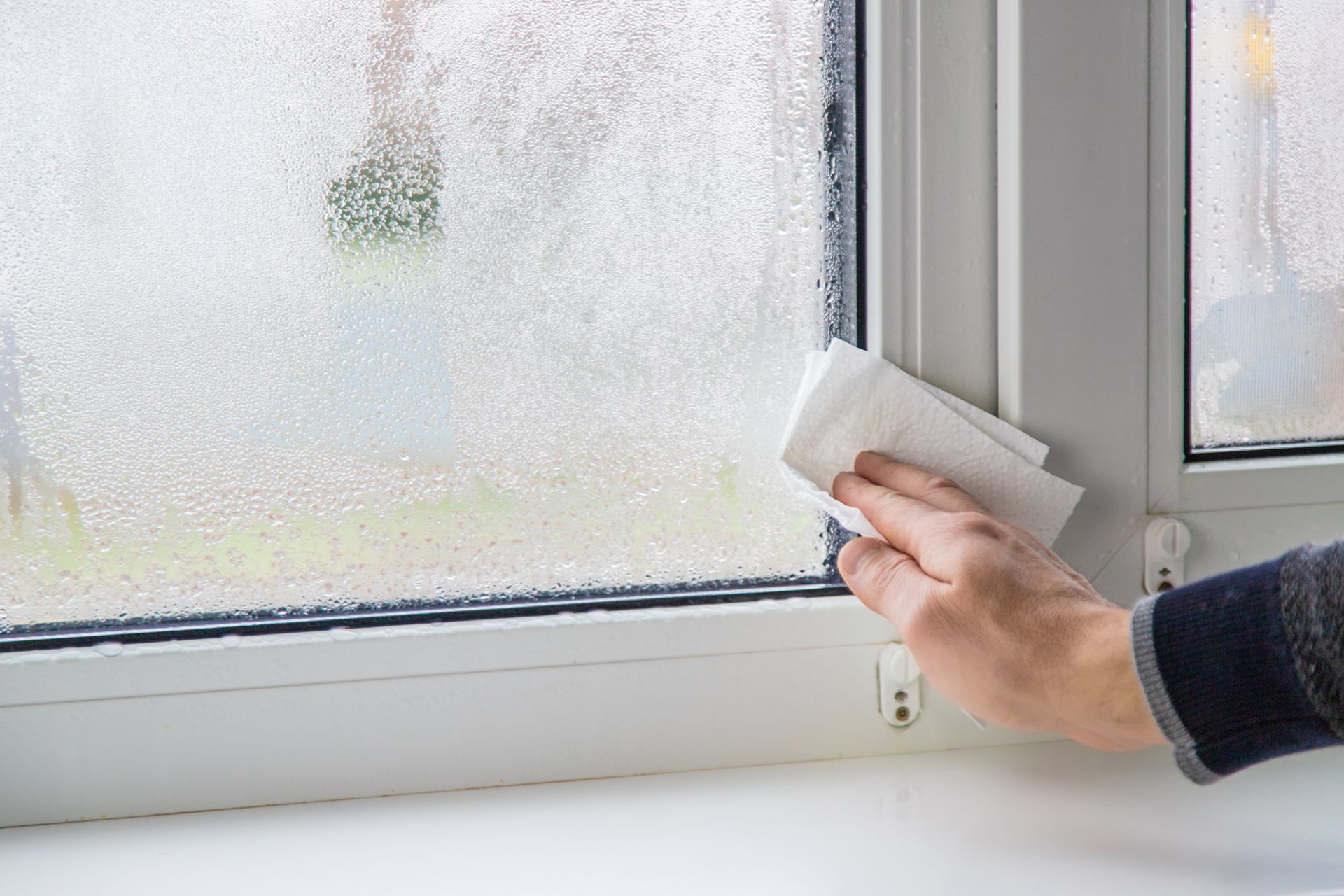
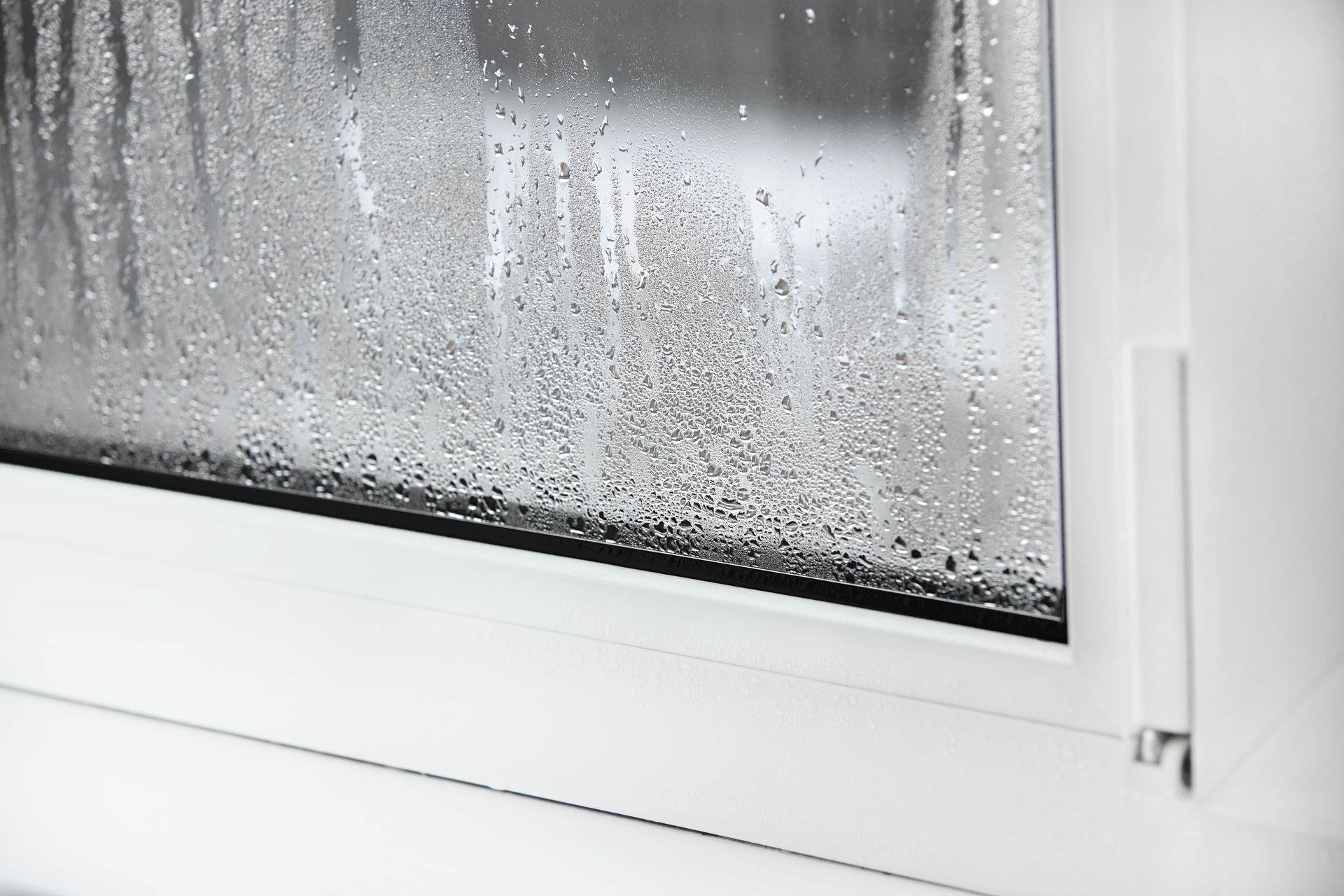
Condensation is a basic law of physics, not a defect. Air holds water vapor, and warm air holds far more of it than cold air. When that warm, humid air touches a surface cold enough to cool it below its dew point, the air can no longer hold all its moisture, and the excess condenses into the water droplets you see on the glass.
Your windows are simply the coldest indoor surface in most rooms, which is why moisture shows up there first. On a January morning, the glass is chilled by the freezing air outside, while the air inside your home is warm and carries the humidity from cooking, showers, and breathing. Where those two meet, at the surface of the glass, you get condensation.
The Role of Humidity and Temperature
Two things drive the whole process: how much moisture is in your indoor air, and how cold the glass surface is. The higher the indoor humidity and the colder the glass, the more condensation forms. This is why it appears on the coldest days and in the most humid rooms, like kitchens, bathrooms, and bedrooms where the door stays closed overnight.
Why Windows Show It First
Even a good window is colder than the surrounding wall, because glass conducts heat far more readily than an insulated wall does. That temperature difference is exactly why condensation appears on the glass and the frame before anywhere else in the room. In a sense, a foggy window is an early warning system, telling you the indoor air is more humid than the house can comfortably handle.
The Three Types of Window Condensation
Not all condensation means the same thing, and telling the three types apart is the single most useful skill for diagnosing your windows. The difference comes down to which surface of the glass is wet.
| Type of Condensation | Where It Forms | What It Means |
|---|---|---|
| Interior condensation | Inside surface, facing the room | Indoor humidity is too high; usually manageable |
| Exterior condensation | Outside surface, facing the weather | Harmless; a sign of energy-efficient glass |
| Between-the-panes | Sealed inside a double-pane unit | The window seal has failed; needs replacement |
Interior condensation is the most common and the most fixable. It forms on the room-facing side of the glass and points to high indoor humidity, which you can control.
Exterior condensation, the dew that sometimes appears on the outside of the glass on a cool morning, is actually a good sign, because it means your windows are insulating so well that the outer pane stays cool.
Between-the-panes condensation is the one to worry about: when fog or moisture appears sealed inside a double-pane window where you cannot wipe it away, the airtight seal has failed and the insulating gas has escaped.
Is Condensation on Windows a Problem?
A bit of interior condensation on the coldest mornings is normal and not a cause for alarm. It becomes a problem when it is persistent, heavy, or ignored, because standing moisture does not stay on the glass. It runs down onto the sill and frame, and over time that lingering dampness is what causes real damage.
Left unchecked, chronic window condensation can lead to peeling paint, stained or rotting window sills and frames, and mold or mildew growth around the window and on nearby walls. The moisture is also a symptom of humidity levels that can affect the rest of your home. So while a foggy window on a frigid morning is normal, condensation that appears daily, pools on the sill, or shows mold is a signal to act.
What Causes High Indoor Humidity?
Because interior condensation is really a humidity problem, it helps to know where all that moisture comes from. Everyday living adds a surprising amount of water to your indoor air, especially in a tightly sealed modern home.
- Cooking and boiling water, which release steam into the kitchen and beyond.
- Showers and baths, one of the largest sources of household humidity.
- Drying clothes indoors or a dryer that is not vented properly outside.
- Houseplants, which release moisture into the air as they transpire.
- Humidifiers, whether standalone units or a whole-home system set too high.
- Everyday breathing and activity, since a family simply living in a home adds moisture all day.
- A new or newly renovated home, where construction materials release trapped moisture for the first year or two.
Modern homes make this worse in one important way. Today's houses are built tight and well sealed to save energy, which is great for efficiency but means moisture has fewer ways to escape naturally than it did in a drafty older home. That trapped humidity has to go somewhere, and it often ends up on your windows.
How to Prevent Condensation on Windows
Since interior condensation comes down to humidity and airflow, prevention focuses on lowering the moisture in your air and keeping it moving. Most cases clear up with a few consistent habits.
Control Indoor Humidity
The most direct fix is to reduce how much moisture is in your air. Run bathroom and kitchen exhaust fans during and after showers and cooking, vent your dryer outdoors, cover pots while cooking, and if you run a humidifier, turn it down. If your home stays humid, a dehumidifier is the most reliable tool for holding humidity in a healthy range.
A useful rule of thumb is that the colder it gets outside, the lower your indoor humidity needs to be to keep windows clear. The table below is a helpful starting point for a Connecticut winter.
| Outdoor Temperature | Recommended Maximum Indoor Humidity |
|---|---|
| 20 to 40 degrees Fahrenheit | Around 40 percent |
| 10 to 20 degrees Fahrenheit | Around 35 percent |
| 0 to 10 degrees Fahrenheit | Around 30 percent |
| Below zero | 25 percent or lower |
Improve Ventilation and Airflow
Moisture that cannot escape will settle on your windows, so give it a way out. Run exhaust fans, crack a window briefly even in winter to exchange stale humid air, and open interior doors so air is not trapped in one damp room. Keeping air moving with ceiling fans on low also helps prevent moisture from settling on cold surfaces.
Warm the Glass
Because condensation needs a cold surface, anything that keeps the glass warmer helps. Opening blinds and curtains lets warm room air reach the glass instead of trapping cold air against it, and moving furniture away from windows improves circulation. For older or single-pane windows, adding storm windows raises the interior glass temperature, which is one reason storm windows can be worth it in our climate.
What to Do When You See Condensation
When condensation appears, a few immediate steps limit any damage and start solving the underlying cause. The goal is to remove the standing water and get your indoor air drier.
- Wipe the moisture away promptly with a dry cloth so it cannot pool on the sill and soak into the frame.
- Increase ventilation in the room by running a fan or briefly opening a window to exchange the humid air.
- Turn down or turn off any humidifier that is running, since it may be adding more moisture than your home can handle.
- Check for the source, such as a recent shower, drying laundry, or a pot on the stove, and vent it directly outside.
- Watch the pattern, noting which windows and rooms fog up most, which helps you target the humidity at its source.
These steps handle the immediate moment. If you find yourself wiping the same windows every morning, the next step is to address the humidity and ventilation for good.
How to Fix Persistent Condensation
When condensation keeps coming back despite good daily habits, it is time for a more permanent solution aimed at the root cause. Which fix fits depends on why the moisture keeps returning.
For a humidity problem, a dehumidifier or a whole-home ventilation system such as an energy or heat recovery ventilator exchanges stale, humid indoor air for drier outdoor air without wasting heat. For a ventilation problem, upgrading or adding exhaust fans in bathrooms and the kitchen and confirming the dryer vents outside makes a real difference. For a cold-glass problem, improving your home's overall efficiency helps, and our guide on
improving energy efficiency in winter covers the broader picture, while proper
insulation to minimize heat loss keeps surfaces warmer throughout the home. When the windows themselves are old, drafty, or failing, though, the most lasting fix is new windows.
When Condensation Means You Need New Windows
Sometimes condensation is not about your indoor air at all, but about the windows. The clearest sign is fog or moisture trapped between the panes of a double-pane window, where you cannot wipe it off from either side. That means the airtight seal has failed and the insulating gas between the panes has leaked out, so the unit no longer insulates the way it should. A failed seal cannot be repaired, and the glass unit or window needs to be replaced.
Older single-pane windows and worn, drafty windows also invite condensation because their interior glass stays so cold. If your windows are decades old, foggy between the panes, or constantly sweating despite reasonable indoor humidity, replacement solves the problem while also cutting energy bills and improving comfort. Our guide on
how often windows should be replaced covers the full list of warning signs, and modern
energy-efficient windows are far better at keeping the interior glass warm, which is what stops condensation in the first place. If you are unsure whether your windows have reached that point, an assessment of your specific windows gives you a clear answer.
Clear Windows Start With the Right Windows
Most window condensation is a humidity and ventilation issue you can manage at home, but when the glass is fogging between the panes or your windows are simply worn out, new windows are the real solution. As Connecticut's window specialists for over 40 years, we can tell you whether your windows are the problem and what will actually fix it.
Call J.C. Tonnotti at (860) 621-1642 or
contact us for a free estimate. Learn more about our
replacement windows and how the right glass keeps your home comfortable and clear all winter.

Frequently Asked Questions
Is condensation on windows normal?
A small amount of interior condensation on cold winter mornings is completely normal and just means your indoor air is humid. It becomes a concern when it is heavy, persistent, or pools on the sill, since that lingering moisture can cause mold and damage. Condensation sealed between the panes of a double-pane window is never normal and points to a failed seal.
Why do my windows sweat on the inside?
Interior condensation happens when warm, humid indoor air meets the cold surface of the glass and the moisture condenses out. It is a humidity problem, driven by sources like cooking, showers, drying laundry, and humidifiers, made worse in tightly sealed homes where moisture cannot escape. Lowering indoor humidity and improving ventilation is the fix.
Is condensation between window panes fixable?
No, condensation trapped between the panes cannot be repaired. It means the airtight seal of the double-pane unit has failed and the insulating gas has escaped, so the glass no longer insulates properly. The insulated glass unit or the whole window needs to be replaced to solve it and to restore the window's energy efficiency.
Does condensation mean my windows are bad?
Not necessarily. Interior condensation usually means your indoor humidity is high, not that your windows are defective, and it can appear even on new, efficient windows. However, condensation sealed between the panes, or constant sweating on very old single-pane windows, does indicate a window problem that replacement solves. The location of the moisture tells you which situation you are in.
What is the ideal indoor humidity to prevent window condensation?
It depends on how cold it is outside, because colder glass condenses moisture more easily. As a general guide, aim for around 40 percent indoor humidity when it is in the 20s or 30s outside, dropping toward 30 percent or lower as temperatures fall below 10 degrees. A hygrometer and a dehumidifier make it easy to keep humidity in that range through a Connecticut winter.
Can new windows stop condensation?
New energy-efficient windows greatly reduce interior condensation because their insulated glass keeps the interior surface much warmer, so the air near it does not cool below its dew point as easily. They also eliminate the between-the-panes fogging caused by failed seals in older units. New windows will not lower your home's humidity on their own, but they remove the cold surface that humidity condenses on, which is usually enough to keep the glass clear.
Share this post
OTHER BLOG POSTS