Insulation and Minimizing Heat Loss In Your CT Home

Many older homes in Connecticut are quite drafty. Besides being uncomfortable, the loss of heat can be very expensive.
The more insulation you add today the less heat loss you will have tomorrow.
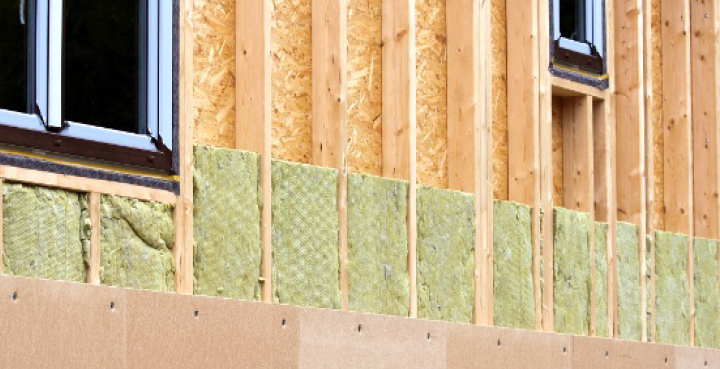
Effective insulation is a cornerstone of achieving energy efficiency in your home, providing a crucial barrier against heat transfer and maintaining a comfortable indoor environment. Wall insulation, applied within the cavities of exterior walls, acts as a thermal shield, preventing the escape of heat during colder months and blocking the intrusion of heat during warmer periods. Attic floor insulation serves a similar purpose by creating a buffer between your living spaces and the outside elements, significantly reducing the workload on your heating and cooling systems. Meanwhile, insulating basement ceilings helps regulate the temperature of below-ground spaces, ensuring a more stable climate throughout the entire home.
To enhance energy efficiency further, consider upgrading your windows and doors to energy-efficient models. Replacement windows and doors with advanced insulating features can minimize drafts and heat loss, contributing significantly to energy conservation. Additionally, sealing any gaps, cracks, or leaks with insulation helps fortify your home’s thermal envelope. This meticulous approach to insulation ensures that conditioned air stays inside, reducing the need for constant heating or cooling and, consequently, lowering energy consumption. By adopting a comprehensive insulation strategy that addresses various areas of your home, you not only enhance energy efficiency but also create a more sustainable and cost-effective living space.
DEFINITION: The definition of insulation is to provide resistance to heat flow. The more resistance your insulation provides, the lower your home heating and cooling costs will be. By adding insulation to certain areas of your home you can start to save money immediately. Many homes that are under-insulated or UN-insulated can experience high heating costs, leaks, and discomfort in your home.
Filling In Leaks
There are a few areas that you may not think to check for leaks in your home. These smaller leaks can cost a lot of money in terms of heat loss.
- Window and Door Frames – Look at the areas around all of your windows and doors for openings and cracks. These leaks can be due in poorly installed windows and doors. Or the leaky areas form as your home settles. A temporary solution is to caulk these areas.
- Your Exterior Wall Sockets – The electric sockets on the exterior walls of your are very vulnerable to having leaks. Filling in the empty space around the socket will help stop leaks.
Seal Patio Doors
Older patio doors were not designed to be energy efficient. If you are not using these doors during the winter then it may help to completely seal them. By placing a plastic film over your door you can prevent all outside air from entering your home. Also when the weather starts to warm up then removing the plastic is easy and doesn’t damage your doors or door frames.
Replacement Windows and Doors
Your windows and doors are your home’s main source of heat loss and air leaks.
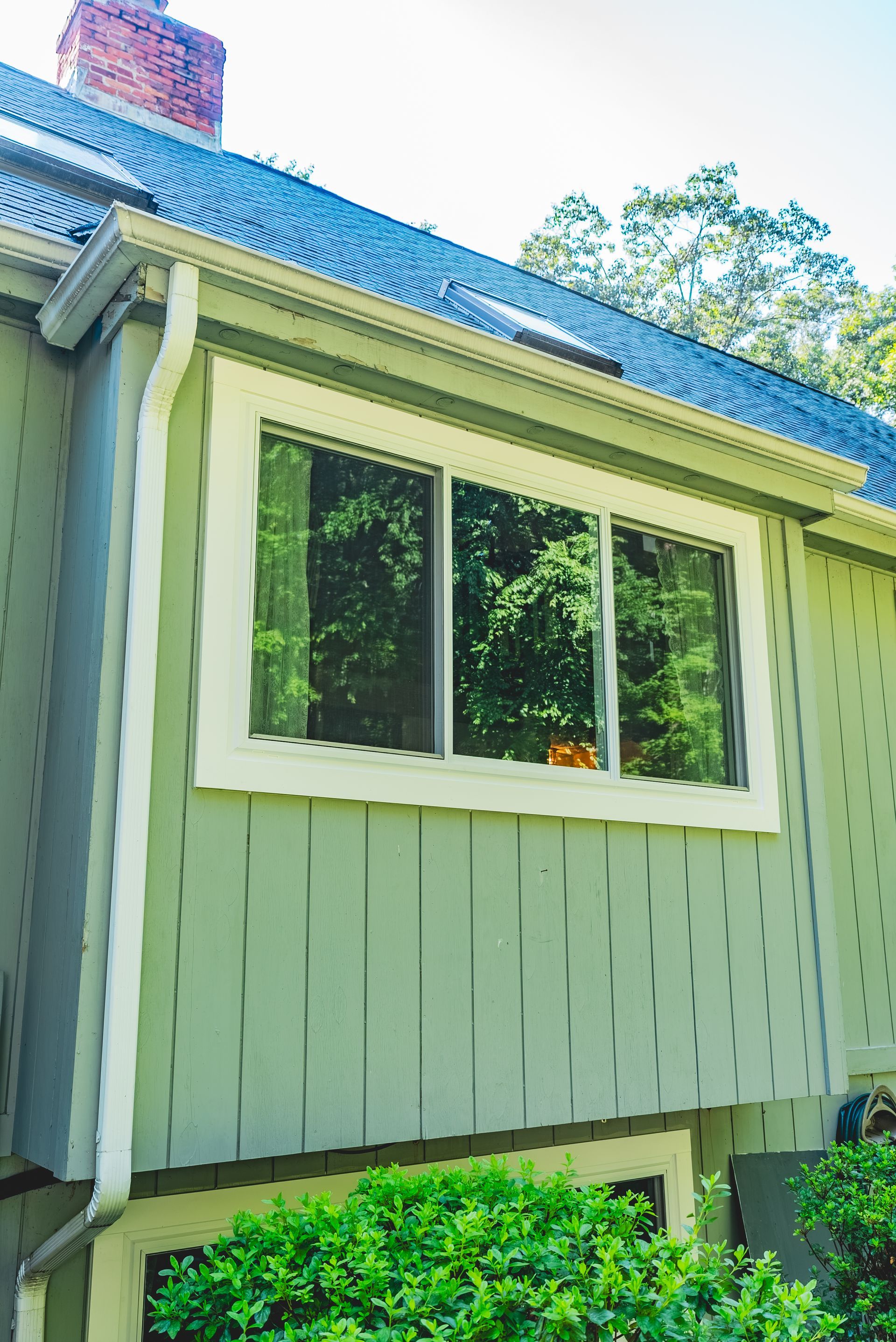
Windows in older homes were not insulated. Today you can plan on new energy-efficient replacement windows. We recommend installing Harvey Windows. When you install Harvey windows your home will instantly become more energy-efficient and you can expect to see your heating costs drastically reduced.
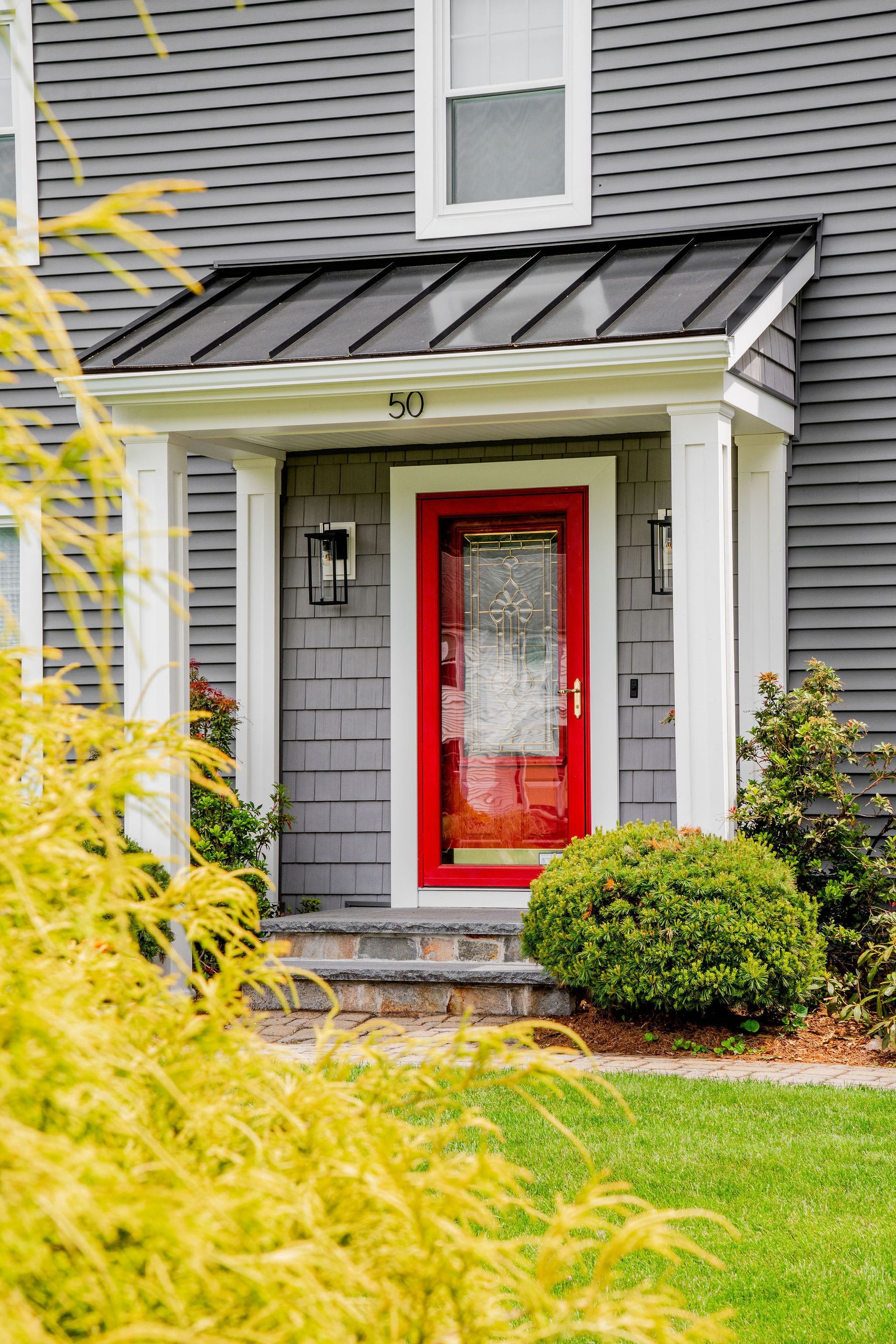
Also, think about replacing your doors. Older doors are notorious for being a major source of air leaks. An energy-efficient, fiberglass front door like Therma-Tru’s Fiber-Classic front doors are beautiful front doors with high-quality insulation and durability.
Sealing and insulating your home will pay for itself over time – it will greatly reduce your home’s heat loss.
Contact us if you are looking to replace your windows and doors.
TIP: The Energize Connecticut initiative helps you save energy in your Connecticut home or business with rebates, financing, and services for energy efficiency and clean energy improvements.
Share this post
OTHER BLOG POSTS