Fiber Cement vs. Vinyl Siding: Which Is Better for Connecticut Homes?

For most Connecticut homeowners, the siding decision comes down to two materials: vinyl and fiber cement. Vinyl is the affordable, low-maintenance workhorse; fiber cement is the premium, ultra-durable upgrade. The right answer depends on your budget, how long you plan to stay, and how much our freeze-thaw winters and occasional coastal storms factor into the choice. This guide compares them head to head so you can decide with clear eyes rather than a sales pitch.
At J.C. Tonnotti Window Company, we install both vinyl and fiber cement siding for homeowners across Connecticut, family owned and operated in Southington since 1979. Because we offer both rather than pushing one, this comparison reflects what actually holds up on Connecticut homes over decades, not a preference for whatever we happen to sell.
In This Guide
- What Each Material Is: Vinyl and fiber cement, defined.
- Cost Comparison: Real ranges and what drives them.
- Durability in the CT Climate: Freeze-thaw, storms, and fire.
- Maintenance and Upkeep: The long-term time and cost.
- Appearance and Energy Efficiency: Looks, color, and insulation.
- Installation and Warranty: Why the install decides performance.
- Which Is Right for You: Matching the material to your goals.
- Frequently Asked Questions: Quick answers before you decide.
What Each Material Is
Before comparing them, it helps to know what you are actually choosing between, because the two materials are built from very different things and behave accordingly.
Vinyl Siding
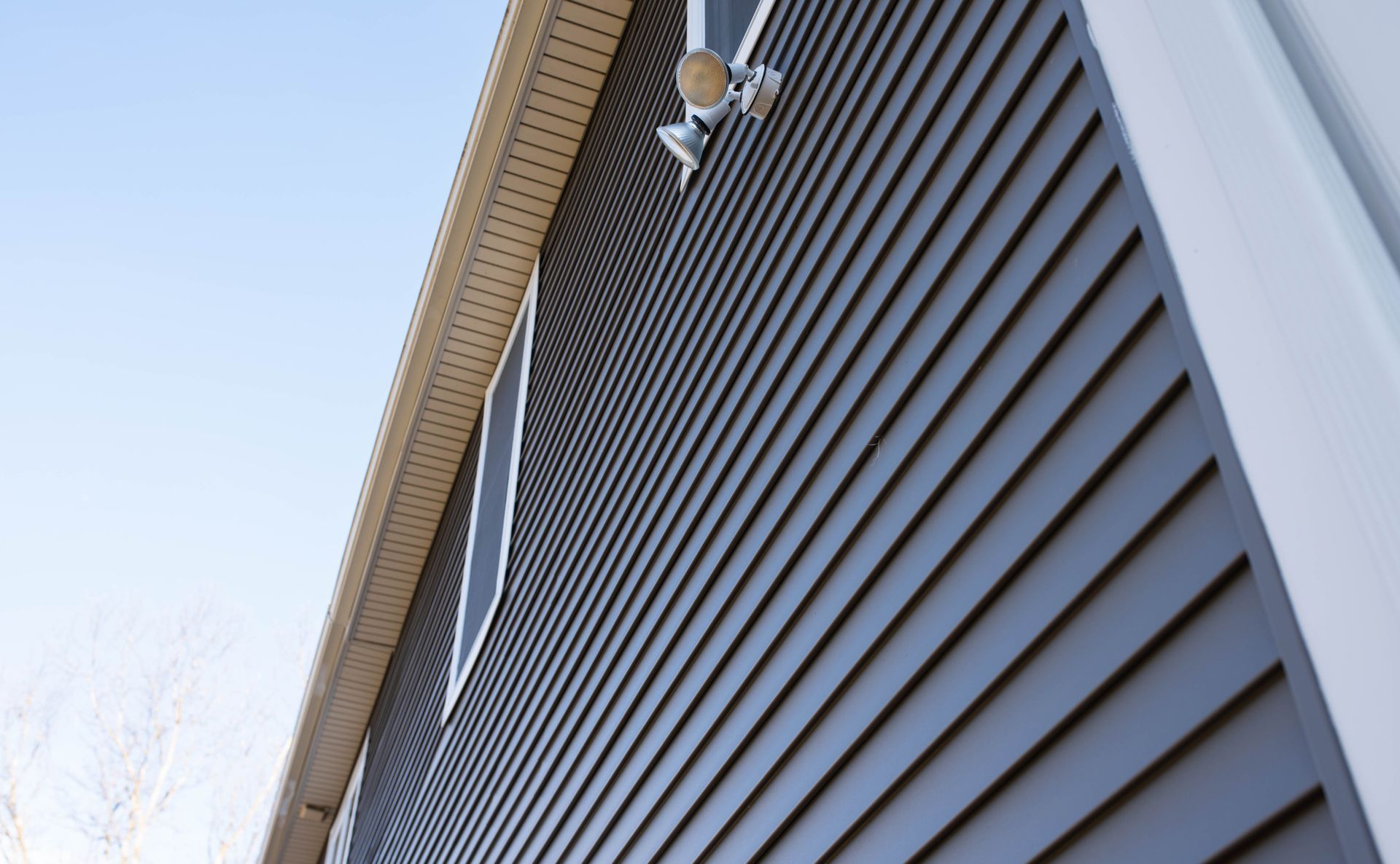
Vinyl siding is made from PVC, a durable plastic engineered for the outside of a house. It comes in a huge range of colors and profiles, installs quickly, and never needs painting because the color runs through the material. Modern insulated vinyl adds a layer of foam backing that stiffens the panel and improves its energy performance, which is a meaningful upgrade over the thin builder-grade product many people picture.
Fiber Cement Siding
Fiber cement is a composite of Portland cement, sand, and cellulose fiber, pressed into dense, heavy boards. It is prized for a premium, wood-like appearance and for standing up to weather, fire, and pests better than almost anything else on a home. The material is manufacturer-dependent, so the exact makeup and finish vary, but the common thread is density and durability.
The core difference is that vinyl is a light, low-maintenance plastic built for value, while fiber cement is a heavy, rigid composite built for longevity and a high-end look. Nearly every practical tradeoff below flows from that basic distinction.
Cost Comparison
Cost is usually the first question, so it deserves real numbers rather than a vague "it depends," even though the final figure always comes down to your specific home. Treat the following as Connecticut ballpark ranges, with a free on-site estimate as the only way to get an exact price.
Installed, vinyl siding commonly runs in the range of about $4 to $12 per square foot, with insulated vinyl toward the top of that band. Fiber cement typically falls in the range of about $6 to $14 per square foot installed, and premium finishes or complex homes can push higher. On a typical house, that difference adds up, which is why vinyl usually wins on up-front cost.
The part most homeowners miss is that the material label is not the biggest cost driver on a siding job. Much of the price is scope, the work that happens regardless of which siding goes on. The line items that move the number most include:
- Tear-off and disposal of the old siding, which adds labor before any new material goes up.
- House wrap and moisture barrier, the weather-resistive layer that protects the wall behind the siding.
- Trim, corners, and flashing around windows, doors, and rooflines, where quality work prevents leaks.
- Prep and repair of any rotted sheathing or damaged wall found once the old siding comes off.
Because fiber cement is heavier and slower to install, its labor cost runs higher than vinyl's, which widens the gap beyond the material price alone. When you compare quotes, compare the full scope, not just the per-square-foot material number, or you are not comparing the same job.
Durability in the CT Climate
Connecticut asks a lot of siding: cold winters with repeated freeze-thaw cycles, humid summers, wind-driven rain, and coastal storm exposure in parts of the state. How each material handles that is where the two really separate.
How Each Holds Up
Fiber cement is the tougher of the two by a clear margin. It resists cracking through freeze-thaw cycles, does not warp in heat, shrugs off moisture and insects, and stands up to wind better because of its weight. It is also Class A fire rated, meaning it resists ignition in a way plastic simply cannot. For exposed or coastal Connecticut homes, that resilience is a real advantage.
Where Vinyl Stands
Vinyl performs well in Connecticut's typical conditions and lasts for decades when it is a quality product installed correctly. Its limits show at the extremes: thin, low-grade vinyl can crack in deep cold or warp near intense heat sources, and lighter panels are more vulnerable to being torn loose in high winds. Choosing a thicker, higher-grade vinyl and a careful installer closes much of that gap, which is why product grade matters as much as the material name.
Maintenance and Upkeep
Durability is about surviving the weather; maintenance is about what you do year to year, and here the ranking flips in vinyl's favor. Thinking through the decades of upkeep is as important as the day-one decision.
Vinyl is close to maintenance-free. An occasional rinse with a hose and a mild soap keeps it looking right, and because the color is baked in, it never needs painting. Fiber cement asks for more: it should be cleaned periodically, its caulk joints need to be checked and re-sealed over time to keep water out, and its factory finish will eventually fade and call for repainting, often every decade or so depending on the product and exposure. That repainting is both a cost and a chance to change your home's color, which some owners see as a feature rather than a chore. If low effort is your priority, vinyl has a clear edge; if you do not mind periodic upkeep for a premium look, fiber cement earns it.
Appearance and Energy Efficiency
Looks and comfort round out the decision, and they often tip a homeowner who is torn on cost and durability alone. Both materials have improved dramatically, so neither is a compromise the way it might have been years ago.
On appearance, fiber cement holds an edge for a homeowner who wants an authentic, deep wood-grain texture and clean architectural lines, which is why it suits historic and higher-end Connecticut homes so well. Vinyl counters with the widest range of colors and profiles, including convincing wood-look textures, all with no painting ever. On energy efficiency, standard versions of both are similar, but insulated vinyl is the option that actually moves the needle, adding foam backing that improves the wall's thermal performance and comfort. If efficiency is a priority and vinyl is your material, insulated vinyl is the upgrade worth pricing out.
Installation and Warranty
Whichever material you choose, the installation quality determines whether you get the performance you paid for, because siding is a system of panels, barriers, and details working together. A great product installed poorly will fail; a good product installed well will protect your home for decades.
Fiber cement's weight makes it more labor-intensive and demands an experienced crew and proper tools, which is part of why its installed cost is higher. Vinyl is faster to hang, but it still relies on correct fastening and detailing to expand and contract without buckling. In both cases, the moisture barrier, flashing, and trim work behind and around the panels are what actually keep water out of your walls. Warranties matter too, and they come with conditions: many siding warranties are reduced or voided when the product is installed incorrectly, so a manufacturer-trained installer protects both your home and your coverage. Reading what a warranty covers, and what voids it, before you buy is time well spent.
Which Is Right for You
There is no universal winner, only the right match for your priorities, so the best way to choose is to be clear about what matters most to you. The two materials suit different homeowners.
Vinyl is usually the better fit if up-front budget and low maintenance lead your list, if you want the broadest color range with no future painting, or if you plan to move before a premium material would pay off. Fiber cement makes more sense if you want maximum durability and fire resistance, an authentic wood look for a historic or higher-end home, and long-term value you will be around to enjoy. Because we install both, our advice is always to weigh your budget, your timeline in the home, and your tolerance for maintenance, and then choose the material that fits, rather than forcing your home to fit a material.
| Factor | Vinyl Siding | Fiber Cement Siding |
|---|---|---|
| Installed cost | Lower, about $4 to $12 per sq ft | Higher, about $6 to $14 per sq ft |
| Maintenance | Rinse only, never needs paint | Periodic cleaning, recaulk, repaint |
| Fire resistance | Limited, it is plastic | Class A fire rated |
Get Expert Siding Advice for Your CT Home
The best siding for your home depends on your budget, your timeline, and Connecticut's demands on the exterior, and the right installer makes either material perform. J.C. Tonnotti installs both vinyl and fiber cement, so we can help you choose without a thumb on the scale.
Call J.C. Tonnotti at (860) 621-1642 or contact us online for a free estimate. You can also explore our
siding services, learn more about
vinyl siding in CT, or read our
CT vinyl siding myths debunked.

Frequently Asked Questions
Is fiber cement siding worth the extra cost over vinyl?
It can be, depending on your priorities. Fiber cement costs more up front and in labor, but it lasts longer, resists fire and severe weather better, and delivers a premium wood-like look. If you plan to stay in the home for many years or want maximum durability, the higher cost often pays off. If budget and low maintenance lead, vinyl is usually the better value.
Which lasts longer in Connecticut, vinyl or fiber cement?
Fiber cement generally lasts longer and handles freeze-thaw cycles, moisture, and high winds better because of its density. Quality vinyl still lasts for decades in Connecticut's typical conditions, but lower-grade vinyl is more prone to cracking in deep cold or warping near heat. Product grade and installation quality make a large difference for both.
Does fiber cement siding need to be painted?
Usually, yes, over time. Fiber cement comes with a factory finish that eventually fades and needs repainting, often around every decade depending on the product and exposure, and its caulk joints need periodic resealing. Vinyl, by contrast, has color throughout the material and never needs painting, which is one of its main maintenance advantages.
Is vinyl or fiber cement siding more energy efficient?
Standard versions of both perform similarly, but insulated vinyl, which adds a foam backing, offers the biggest efficiency improvement of the common options and boosts comfort by reducing heat transfer through the wall. If energy efficiency is a top priority, insulated vinyl is worth pricing against standard vinyl and fiber cement.
Can you install fiber cement or vinyl siding in the Connecticut winter?
Both can be installed in colder months with the right crew and techniques, though siding work is easier in milder weather. The more important factor is the installer's experience and attention to the moisture barrier, flashing, and trim details, which protect your home regardless of the season. A professional assessment will tell you the best timing for your project.
Share this post
OTHER BLOG POSTS