How Often Should Windows Be Replaced? The Signs Most Homeowners Miss

Most homeowners don't think about their windows until something goes obviously wrong, a crack in the glass, a draft they can feel from across the room, or a pane so foggy they can barely see through it. By that point, the window has usually been underperforming for years.
At JC Tonnotti, we've been replacing windows in Connecticut homes for decades. We've seen firsthand how often homeowners are surprised to learn that their windows were well past their useful life without a single dramatic failure. Our experience with thousands of installations across every window type and home style is what allows us to help homeowners recognize the signs early, before small issues become expensive problems.
This guide covers when windows typically need to be replaced, the warning signs that are easy to spot, and the subtler ones that most people overlook until it's too late.
How Often Should Windows Be Replaced?
The short answer is that most windows last between 15 and 30 years, depending on the material, product quality, installation, climate exposure, and how well they've been maintained. Some high-quality windows can push past that range, while lower-grade products or poorly installed windows can start failing in under 15 years.
The more useful answer is that age alone shouldn't be the only factor driving your decision. A 20-year-old window that still seals properly, operates smoothly, and keeps your home comfortable may have years of life left. A 12-year-old window with failed seals, visible condensation between panes, and drafts around the frame may already need to go.
The real issue is that most homeowners wait too long. The warning signs tend to show up gradually, and because they're easy to dismiss or work around, replacement gets pushed off until the problems are hard to ignore.
The Biggest Signs Your Windows May Need to Be Replaced
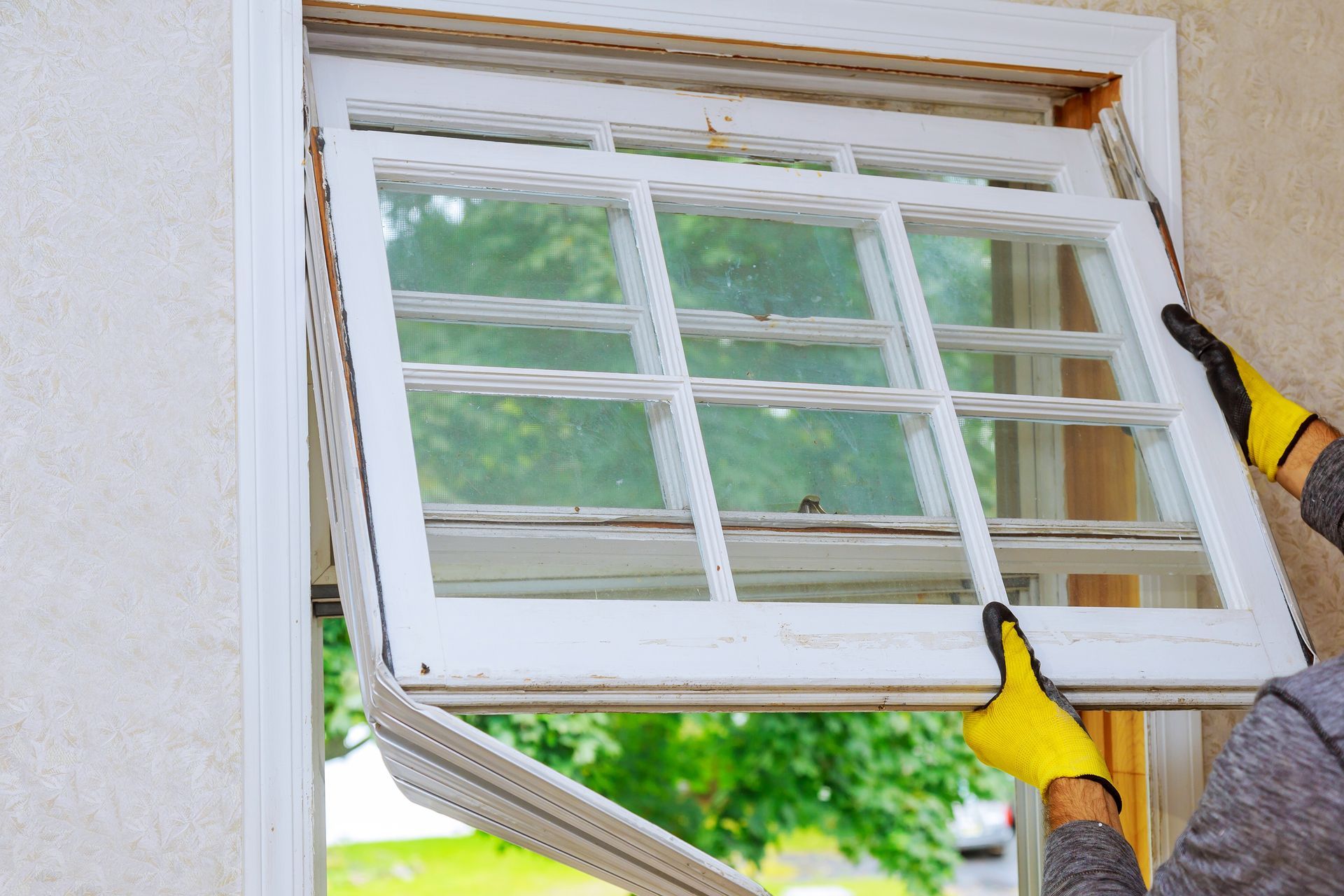
When a window starts to fail, it usually shows up in one or more of these ways. If you're noticing several of these at once, it's worth taking a closer look.
Drafts and noticeable temperature changes near your windows
If you can feel cold air coming in around the edges of your windows during winter, or if certain rooms are noticeably warmer or cooler than others depending on where the windows are, that's a strong sign of seal failure or poor insulation. Drafty windows force your heating and cooling system to work harder, which shows up on your energy bills before you might connect it to the windows themselves.
Windows that stick, jam, or won't stay open
Windows that are difficult to open, refuse to close properly, or won't stay in position are more than an annoyance. These operational issues often point to frame warping, balance mechanism failure, or settling that has shifted the window out of alignment. In some cases the problem is repairable, but when multiple windows in the home are affected, it usually signals a broader issue.
Condensation or fog between the panes
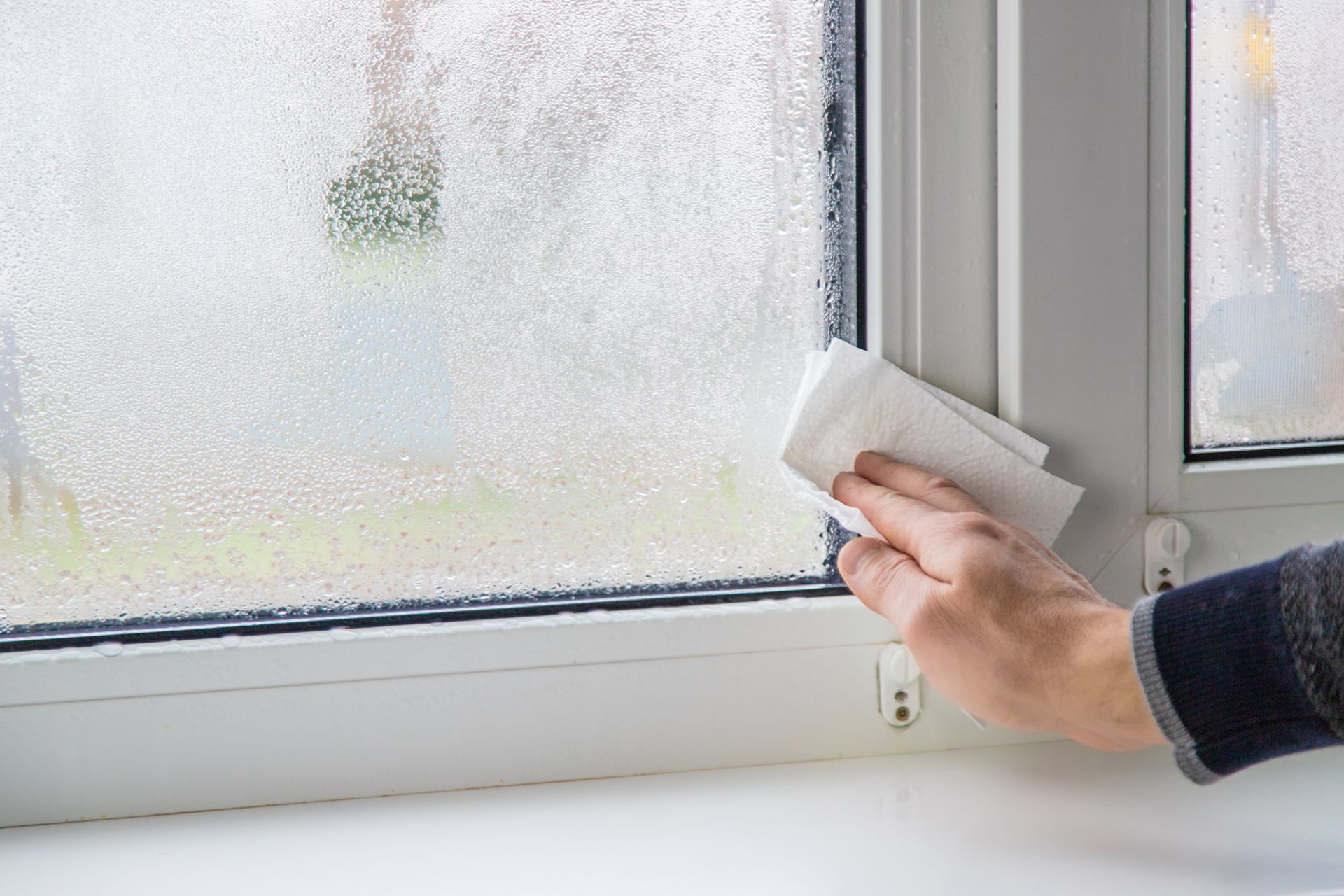
If you see moisture or a cloudy haze trapped between the glass layers of a dual-pane or triple-pane window, the insulating seal has failed. Once that seal breaks, the gas fill that provides insulation escapes, and the window's energy performance drops significantly. The fog itself may come and go with temperature changes, which leads some homeowners to assume it's not a real problem. It is.
Rising energy bills without another clear cause
If your heating or cooling costs have been climbing and you've already ruled out HVAC issues, insulation problems, and rate increases, your windows may be the culprit. Older or failing windows allow far more heat transfer than most homeowners realize, especially if the home still has single-pane glass or windows with deteriorated weatherstripping.
Outside noise that seems louder than it should
Windows play a significant role in sound insulation. If you're hearing traffic, lawn equipment, or neighborhood noise more clearly than you used to, or more than seems reasonable given your distance from the source, your windows may not be providing adequate sound transmission control. This is especially common with older single-pane windows or windows where the seals have degraded.
Visible damage to frames, glass, or seals
Cracked glass, rotting wood frames, warped vinyl, peeling or flaking materials, and visible gaps between the frame and the wall are all clear indicators. Some frame damage can be repaired if it's caught early, but once deterioration reaches the point where it's affecting the window's ability to seal, insulate, or operate, repair usually isn't worth the investment.
Water intrusion or signs of moisture around the window
Water stains, peeling paint, soft drywall, or mold growth near the window frame suggest that water is getting in where it shouldn't be. This can result from failed flashing, deteriorated seals, or frame damage. Left unaddressed, water intrusion can cause structural damage that extends well beyond the window itself.
Single-pane windows in an older home
If your home still has original single-pane windows, they are almost certainly underperforming by modern standards. Single-pane glass provides minimal insulation, poor sound reduction, and very little protection against temperature extremes. In most cases, upgrading to modern dual-pane or triple-pane windows is one of the most impactful improvements a homeowner can make.
The Signs Most Homeowners Miss
The obvious signs get attention. A cracked pane or a window that won't close will eventually force action. But many of the earliest indicators of window failure are subtle enough that homeowners adapt to them without realizing it.
Rooms that are harder to heat or cool
You might notice that one bedroom always feels colder in winter or that a south-facing room gets unbearably warm in summer. Over time, you adjust, maybe you add a space heater or close the vent in that room. But the real issue is often the windows, not the HVAC system. Poorly insulating windows create uneven temperatures throughout the home that no thermostat adjustment can fully fix.
Less natural light or poorer airflow than you want
As windows age, glass coatings can degrade, frames can discolor, and operational mechanisms can stiffen to the point where you simply stop opening certain windows. The result is a home that feels darker or stuffier than it should. These aren't dramatic failures, but they chip away at daily comfort in ways that add up.
Small operational issues that keep getting worse
A window that requires a little extra force to open this year may require a lot more next year. Hardware that's slightly loose today may fail completely in a season or two. These incremental declines are easy to dismiss individually, but when you step back and look at the pattern, they often point to windows that are reaching the end of their functional life.
Minor seal failure that doesn't look serious at first
Early-stage seal failure might show up as a faint haze between panes that only appears on humid mornings. It's easy to wipe the exterior glass and assume the problem is gone. But once the seal has been compromised, the window's insulating performance has already dropped, even if the visible fogging seems minor.
Outdated windows that no longer match the home's performance needs
Sometimes the windows aren't technically "broken," but they're no longer keeping up with what the home requires. If you've upgraded your insulation, replaced your HVAC system, or made other efficiency improvements, older windows can become the weakest link in the building envelope. At that point, the windows are holding back the performance of everything else you've invested in.
How Long Do Windows Usually Last?
There's no single expiration date for every window. Lifespan depends on several factors that interact with each other, and understanding them can help you gauge where your own windows stand.
Window material and product quality
Not all windows are built to the same standard. Higher-quality vinyl windows and composite frames tend to hold up well over time, while lower-grade products may begin showing wear much sooner. The glass package matters too. Dual-pane and triple-pane windows with low-E coatings and gas fills outperform single-pane glass by a wide margin, but the longevity of those gas fills depends on the quality of the seal.
Installation quality
Even the best window will underperform if it's installed incorrectly. Poor installation can lead to air leaks, water infiltration, frame stress, and premature seal failure. This is one of the reasons why choosing the right window company matters as much as choosing the right product.
Climate exposure and wear over time
Connecticut's climate puts windows through a lot. Freezing winters, humid summers, wind-driven rain, and temperature swings all accelerate wear on seals, frames, and hardware. Homes with heavy sun exposure on certain sides may see faster degradation on those windows compared to shaded elevations.
Maintenance and upkeep
Regular cleaning, inspecting seals and weatherstripping, lubricating hardware, and addressing minor issues early can extend window life significantly. Homeowners who neglect maintenance often find that problems compound faster than they expected.
Repair or Replace? How to Tell the Difference
Not every window issue requires a full replacement. But knowing where to draw the line can save you from wasting money on repairs that won't last, or from replacing windows that still have useful life in them.
When a repair may be enough
If the issue is limited to worn weatherstripping, a single piece of failed hardware, or minor cosmetic damage to an otherwise sound frame, a repair can be a reasonable choice. The key is that the window's core components, the glass seal, the frame integrity, and the overall insulating performance, are still intact.
When replacement makes more sense
When multiple issues are present at the same time, replacement is usually the better investment. If a window has seal failure, frame damage, operational problems, and drafts, repairing one component won't fix the rest. At that point, you're putting money into a window that will continue to decline.
Replacement also makes more sense when the window is simply outdated. A structurally sound single-pane window from the 1980s can be "repaired" indefinitely, but it will never perform like a modern energy-efficient window, no matter how much maintenance you put into it.
When delaying replacement can cost more later
Waiting too long to replace a failing window can lead to secondary damage that increases the total project cost. Water intrusion can rot framing and damage drywall. Persistent condensation can promote mold growth. Drafty windows can strain your HVAC system and drive up utility costs month after month. In many cases, the cost of delay exceeds the cost of timely replacement.
Why Replacing Old Windows Can Improve More Than Energy Efficiency
Energy savings tend to get the most attention, and for good reason. But the benefits of new windows extend well beyond your utility bill.
Better indoor comfort
New windows eliminate drafts, reduce hot and cold spots, and help maintain a more consistent temperature throughout the home. This is one of the first things homeowners notice after a replacement, rooms that were always uncomfortable suddenly feel balanced.
Lower outside noise
Modern dual-pane and triple-pane windows provide substantially better sound insulation than older single-pane glass. If street noise, neighbors, or nearby traffic have been a nuisance, upgraded windows can make a noticeable difference in how quiet your home feels.
Easier operation and ventilation
New windows open, close, and lock smoothly. For homeowners who have been dealing with windows that stick or won't stay open, the improvement in daily usability is immediate. Better operation also means better control over airflow, which is something homeowners who value natural ventilation will appreciate.
Improved curb appeal
Windows are one of the most visible elements of a home's exterior. Replacing outdated, mismatched, or deteriorating windows with a consistent, modern product can dramatically improve the look of the home from the street.
Potential boost in home value
Updated windows are a selling point that buyers notice.
Energy-efficient homes tend to be more valuable at resale, and new windows contribute to that perception, especially when they're paired with other exterior improvements like
siding or a new
front door.
Should You Replace All Your Windows at Once?
This is one of the most common questions homeowners ask, and the answer depends on your situation.
Full-home replacement makes sense when most of the windows are the same age, showing similar signs of wear, and you want a consistent look and performance level across the entire home. It's also more efficient from a project standpoint, since the crew is already on-site and the work can be completed in fewer visits.
Phased replacement works well when budget is a concern or when only certain windows are failing. In that case, it makes sense to prioritize the windows that are causing the most problems, typically the ones with the worst drafts, the most seal failure, or the most visible damage, and plan for the rest over time.
There's no wrong approach. The important thing is to start with the windows that are actively costing you comfort, energy, or money, and not to let a "do everything at once" mindset prevent you from addressing the most urgent issues now.
What to Do Before Replacing Your Windows
Before you start shopping, take some time to evaluate what you're working with.
Inspect your current windows. Walk through the home and check each window for drafts, condensation between panes, difficulty opening or closing, visible frame damage, and signs of water intrusion. Make note of which windows are the worst performers.
Document the problems. Take photos and write down what you're seeing. This information helps when you talk to a contractor, and it gives you a baseline for comparing options.
Think about your priorities. Are you most concerned about energy efficiency, noise reduction, appearance, or ease of use? Knowing what matters most to you will help narrow down the right type of replacement window for your home.
Get expert input. A qualified window professional can assess your current windows, identify issues you may have missed, and recommend products that match your home's needs and your budget. This step is worth doing before you commit to any purchase.
The Best Time to Replace Windows
There's no single "perfect" season for window replacement. Work can be done year-round in most cases, and modern installation techniques minimize the time your home is exposed to outside conditions.
That said, a few practical factors are worth considering. Spring and fall tend to offer the most comfortable conditions for installation, but they're also the busiest seasons for contractors. If your project isn't urgent, planning ahead and booking during a less busy period can sometimes mean shorter lead times and more flexible scheduling.
If your windows are actively leaking, creating drafts, or failing to seal, the best time to replace them is as soon as you can. Waiting for ideal weather while your energy bills climb and your comfort suffers rarely makes financial sense.
Don't Wait for Total Window Failure
The main takeaway from everything above is this: the most expensive window replacement is the one you put off too long.
Most windows don't fail all at once. They decline gradually, and the earliest warning signs, subtle drafts, minor fogging, rooms that don't feel quite right, are the easiest to ignore. By the time a window is visibly broken or completely non-functional, secondary damage may have already started.
If your windows are old, inefficient, drafty, hard to use, or showing signs of seal failure, it's worth having them evaluated. You don't have to commit to a full replacement project today, but understanding where your windows stand puts you in a much better position to plan, budget, and act before small problems become costly ones.
Contact JC Tonnotti to schedule a window evaluation, or explore the window styles and options we install for Connecticut homeowners.
Frequently Asked Questions
How do I know if my windows need to be replaced or just repaired?
If the issue is isolated to one component, like a broken lock, worn weatherstripping, or a small cosmetic scratch on the frame, a repair is usually reasonable. But when you're seeing multiple problems at once, such as seal failure, drafts, operational difficulty, and frame deterioration, the window has likely reached the point where repair costs add up without solving the underlying decline. Replacement becomes the more cost-effective path when the core performance of the window is compromised.
Do windows really affect my energy bills that much?
Yes. Windows are one of the largest sources of heat gain and heat loss in a home. According to the U.S. Department of Energy, heat gain and loss through windows account for 25 to 30 percent of residential heating and cooling energy use. If your windows are old, single-pane, or have failed seals, upgrading to modern energy-efficient windows can meaningfully reduce how hard your HVAC system has to work, which translates directly to lower energy costs.
Is it worth replacing windows if I'm planning to sell my home soon?
It can be. New windows improve curb appeal, energy efficiency, and overall comfort, all of which are things buyers notice during showings and inspections. While the exact return on investment varies, updated windows are consistently ranked among the home improvements with the highest ROI. If your current windows are visibly outdated or underperforming, replacing them before listing can strengthen your home's appeal.
Can I replace just a few windows, or do I need to do the whole house?
You can absolutely replace windows in phases. Many homeowners start with the worst-performing windows, typically the ones causing the most drafts, energy loss, or comfort issues, and plan for the rest over time. Full-home replacement gives you a more consistent look and performance level, but a phased approach is a practical option when budget or timing is a factor.
How long does it take to replace windows in a typical home?
For most homes, a full window replacement project takes between one and three days, depending on the number of windows, the type of installation required, and the condition of the existing openings. Individual windows typically take about 30 to 60 minutes each once the crew is set up. A qualified installer will plan the project to minimize the time your home is open to the elements.
Share this post
OTHER BLOG POSTS