How Much Does Interior Painting Cost? A Realistic Guide for CT Homeowners

Most Connecticut homeowners pay about $400 to $1,000 to have a typical room professionally painted, including walls, prep, and two coats of quality paint. Painting the full interior of a 2,000-square-foot home usually runs about $6,000 to $12,000, or roughly $3 to $7 per square foot of floor space. Ceilings, trim, doors, high ceilings, dark color changes, and wall repairs push the price higher. In older Connecticut homes, plaster repair and lead-safe work practices can add to the cost.
J.C. Tonnotti has been a family-owned and operated Connecticut home improvement company since 1979, based in Southington, with more than 40 years of experience and in-house crews rather than subcontractors. Along with windows, doors, siding, and roofing, our team handles interior and exterior painting, often as part of window and door projects where fresh trim and walls finish the job. This guide breaks down what drives interior painting prices in Connecticut and how to read a painting estimate.
In This Guide
- Interior Painting Cost at a Glance: Typical prices by room.
- How Painters Price Interior Work: Per room, per foot, or per hour.
- What Raises or Lowers the Price: The factors behind your quote.
- Labor vs. Materials: Where the money goes.
- Older Connecticut Homes: Plaster and Lead Paint: Costs specific to older houses.
- Bathrooms, Kitchens, and Moisture: Rooms that need extra care.
- Ceilings, Trim, Doors, and Cabinets: Pricing beyond the walls.
- How to Compare Painting Estimates: Questions to ask.
- Ways to Save Without Cutting Corners: Smart cost control.
- Frequently Asked Questions: Quick answers.

Interior Painting Cost at a Glance
These are typical planning ranges for professional interior painting in Connecticut. They assume walls with two coats of quality paint and normal prep. Your quote depends on your home.
| Room or Project | Typical Connecticut Cost | What Usually Drives the Price |
|---|---|---|
| Small bathroom or laundry room | About $300 to $600 | Cutting in around fixtures, moisture-resistant paint |
| Standard bedroom (about 12 x 12) | About $400 to $700 | Wall area, trim, and closet included or not |
| Living room or family room | About $600 to $1,200 | Size, ceiling height, open layout |
| Kitchen (walls only) | About $500 to $1,000 | Cutting in around cabinets and backsplash |
| Hallway, stairwell, or foyer | About $400 to $1,200 | Height, ladder or scaffold setup |
| Whole interior, 2,000 sq ft home | About $6,000 to $12,000 | Rooms, ceilings, trim, condition of walls |
Ceilings, trim, doors, and cabinets are often priced separately, so a "room price" may or may not include them. Always confirm what is in the number.
How Painters Price Interior Work
Painting estimates can look very different depending on how the contractor prices the job.
By the Room
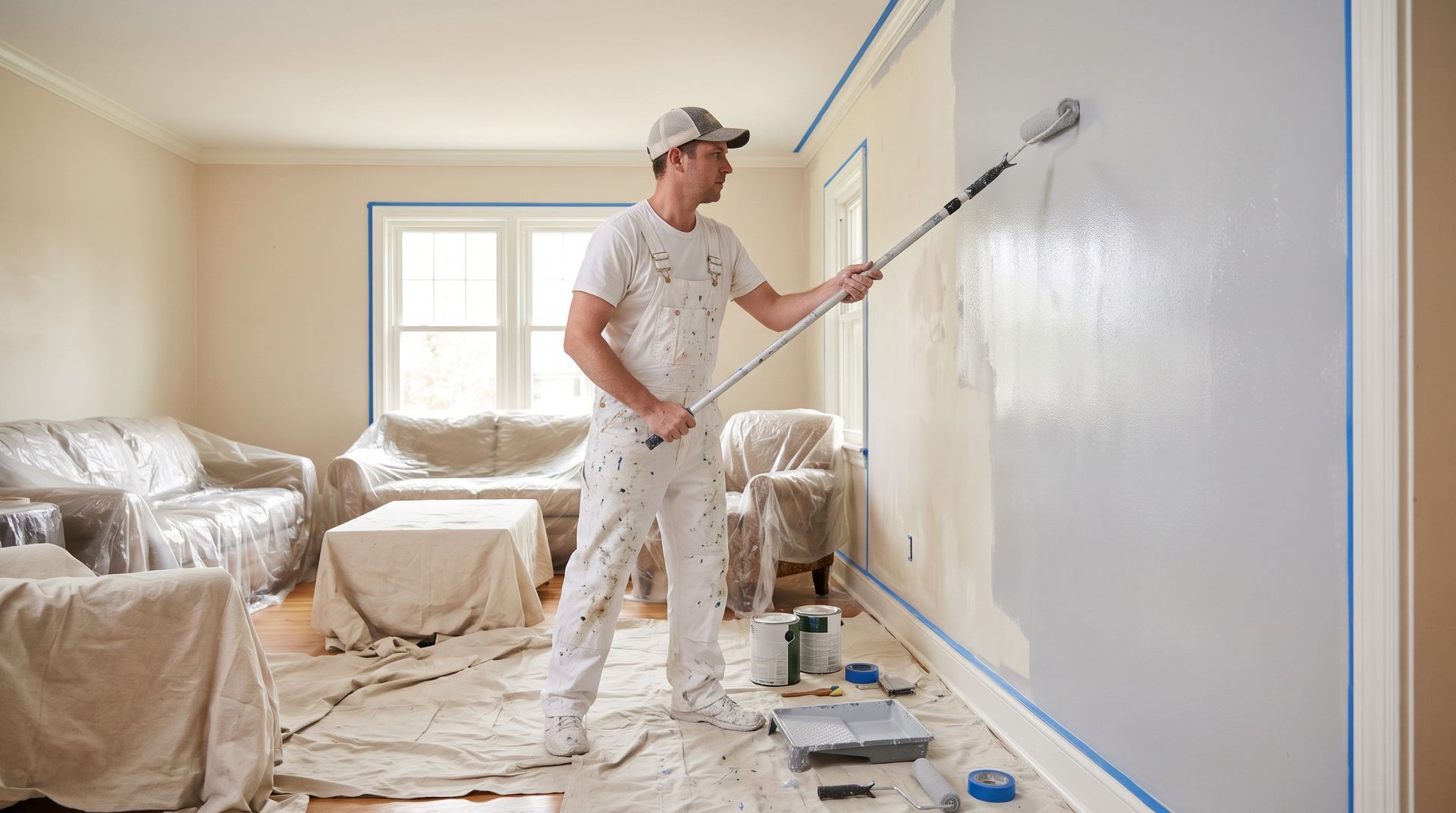
Many painters quote a flat price per room for standard spaces. It is simple and easy to compare, but the definition of a "room" varies. Ask whether ceilings, trim, doors, and closets are included.
By the Square Foot
Some painters price by the square foot of wall surface, often around $2 to $4 per square foot in Connecticut for walls. Others use square feet of floor space for whole-house jobs, commonly around $3 to $7 per square foot when ceilings and trim are included. The two numbers are not the same, so make sure you know which one a quote uses.
By the Hour
Hourly pricing is more common for small jobs, touch-ups, and repairs. Connecticut painters often charge somewhere around $40 to $75 per hour per painter, plus materials. It can be fair for small work but makes budgeting harder for larger projects.
What Raises or Lowers the Price
Two rooms the same size can have very different painting costs. These are the factors that make the difference:
- Wall condition. Cracks, holes, nail pops, and peeling paint all need repair before painting.
- Ceiling height. Rooms with cathedral or two-story ceilings need ladders or scaffolding and more time.
- Color changes. Going from dark to light, or to a bold color, often needs primer and an extra coat.
- Number of coats. Most quality jobs use two coats. Some colors or surfaces need three.
- Paint quality. Premium paints cost more per gallon but cover better and last longer.
- Amount of trim. Older Connecticut colonials often have wide casings, crown molding, and wainscoting that take time to paint well.
- Furniture and access. Full rooms take longer to protect and work around than empty ones.
- Occupied vs. empty home. Painting before you move in is usually faster than painting around daily life.
Why Prep Matters Most
Prep is where professional painting earns its price. Cleaning, patching, sanding, caulking gaps in trim, and priming repaired spots take more time than rolling paint on the walls. A quote that seems low often has less prep built in, and that shows up later as visible patches, peeling, or cracked caulk lines. When we walk a room for an estimate, we look closely at the trim joints and around windows first, since that is where shortcuts show most.
Labor vs. Materials
Labor is the largest part of most painting jobs, often the majority of the total cost. Paint and supplies are a smaller share, even when premium products are used.
What Materials Include
Materials typically include paint, primer, caulk, patching compound, tape, drop cloths, and plastic for protecting floors and furniture. Premium interior paint costs more per gallon than contractor-grade paint, but on a typical room the difference in total job cost is modest because labor dominates.
Why Cheaper Paint Rarely Saves Money
Lower-cost paint may need more coats to cover, scuff more easily, and need repainting sooner. Since you are paying mostly for labor, a higher-quality paint that covers in two coats and holds up longer is usually the better value.
Older Connecticut Homes: Plaster and Lead Paint
Much of Connecticut's housing stock is older, and that affects painting costs in ways national averages do not capture.
Plaster Walls
Many homes built before the 1950s have plaster walls instead of drywall. Plaster often has hairline cracks, bulges, and loose areas that need proper repair before painting. Patching plaster well takes more skill and time than patching drywall, and it can add meaningfully to a quote in older homes in towns like Southington, Meriden, and Cheshire.
Lead Paint in Pre-1978 Homes
Homes built before 1978 may have lead-based paint. When painting involves sanding, scraping, or other work that disturbs painted surfaces in these homes, federal EPA rules require lead-safe work practices by certified renovation firms. That means containment, specialized cleanup, and verification, which add time and cost. If your home is older, ask any painting contractor how they handle lead-safe work and whether they hold the required certification.
Trim and Windows
Older homes often have original wood trim and window casings with many layers of paint. Getting a smooth finish on these surfaces takes extra prep. If you are planning new windows, painting the surrounding trim at the same time can give the whole room a finished look. Learn more about our
window replacement services.
Bathrooms, Kitchens, and Moisture
Rooms with moisture need a little more care, and that can affect the price.
Mildew and Peeling
Bathrooms without good exhaust fans, and kitchens with a lot of cooking steam, often show mildew spots or peeling paint near the ceiling. Those areas need to be cleaned and treated before painting, or the problem comes right back through the new paint. Moisture-resistant paints made for bathrooms cost a little more but hold up much better.
Fix the Source First
If paint is peeling around a window, look for the cause before repainting. Condensation running down the glass in winter is a common culprit in Connecticut homes, and it can damage both paint and trim over time. Our guide to condensation on windows explains why it happens and how to reduce it.
Painting in Winter
Interior painting can be done any time of year, but in winter, windows are closed and the house is sealed up. Low-odor, low-VOC paints and good ventilation make winter painting more comfortable for families who are home during the work.
Ceilings, Trim, Doors, and Cabinets
Walls are only part of the job. These items are often priced separately.
Ceilings
Ceilings are slower to paint than walls because of the angle and the need to cut in carefully along the walls. They are commonly priced around $1.50 to $3 per square foot, depending on height and condition.
Trim and Baseboards
Trim, baseboards, and window casings are usually priced by the linear foot or as part of the room. Detailed trim and wide colonial casings take more time than simple modern trim.
Interior Doors
Interior doors are often priced per side, commonly somewhere around $45 to $75 per side for standard doors, more for paneled or French doors. If your doors are worn or outdated, replacing them can sometimes make more sense than painting. See our interior door options.
Kitchen Cabinets
Cabinet painting is its own specialty. It involves removing doors and hardware, deglossing, priming, and applying a durable finish, often in multiple coats. It is typically priced separately from wall painting and can cost several thousand dollars for a full kitchen, depending on the number of doors and drawers.
How to Compare Painting Estimates
Painting quotes for the same house can vary widely. Before you compare totals, make sure each estimate answers these questions:
- Which rooms and surfaces are included: walls, ceilings, trim, doors, closets?
- How many coats, and what brand and product line of paint?
- What prep is included: patching, sanding, caulking, priming?
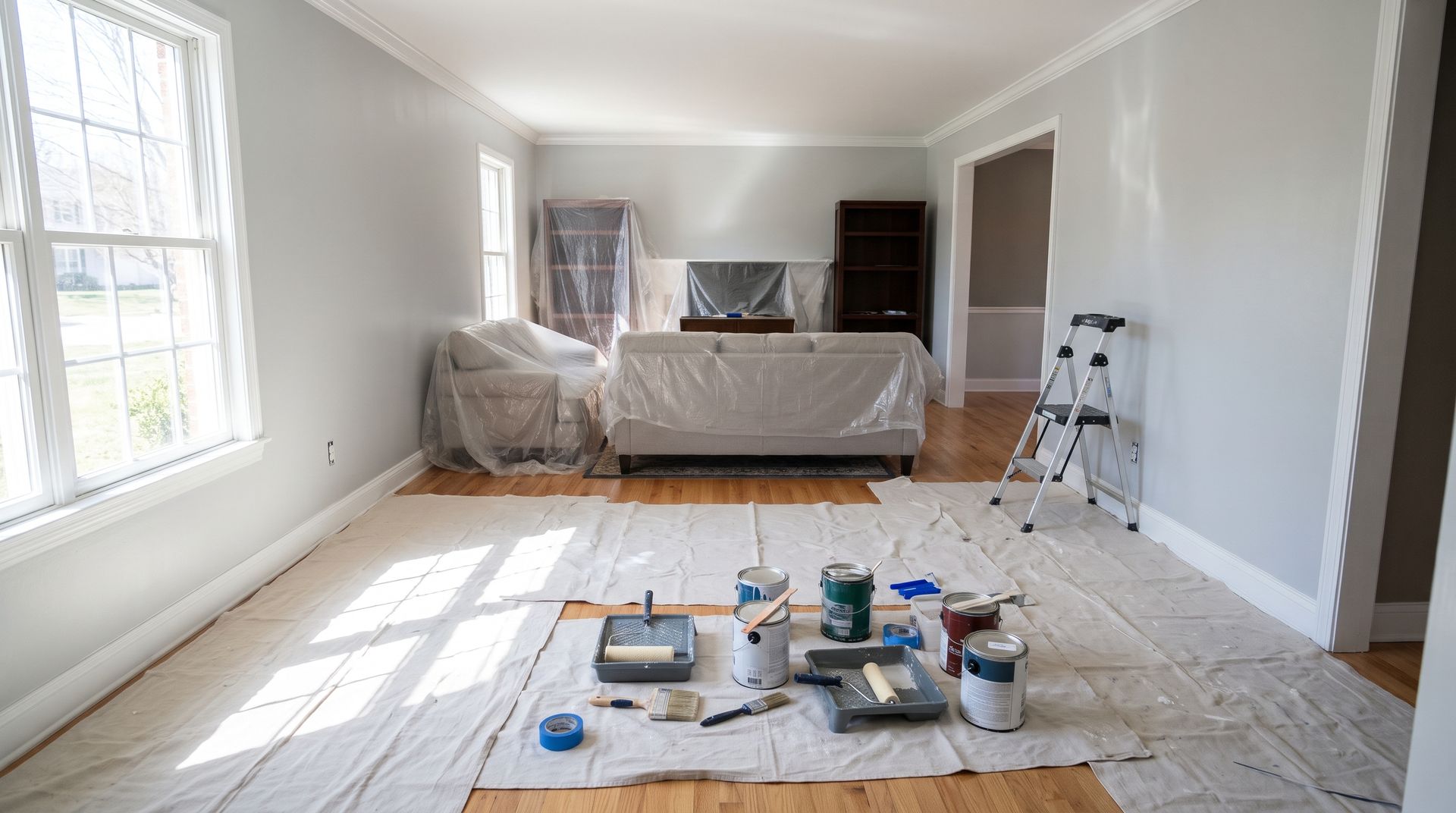
- Who moves furniture, and how will floors and belongings be protected?
- How will lead-safe work be handled in a pre-1978 home?
- Are the painters employees or subcontractors?
- Is the contractor registered with the Connecticut Department of Consumer Protection and insured?
- What warranty covers the workmanship?
In Connecticut, home improvement contractors are required to register with the Department of Consumer Protection. Ask for the registration number and proof of insurance before work begins.
Ways to Save Without Cutting Corners
There are practical ways to lower your painting cost without lowering the quality of the result.
Bundle Rooms
Painting several rooms at once usually costs less per room than scheduling them separately, since setup, travel, and cleanup are shared.
Do the Easy Prep Yourself
Clearing rooms, removing wall hangings, and moving small furniture before the crew arrives can save time. Leave patching and sanding to the painters, especially in older homes.
Keep Colors Consistent
Using the same color in connected spaces, like hallways and adjoining rooms, can reduce cutting in and color changes.
Plan Around Other Projects
If you are replacing windows, doors, or trim, schedule painting afterward so you only paint once. For exterior work, our guide to
the best time to paint a house exterior in New England explains seasonal timing, while interior painting can be done year-round.
Get an Interior Painting Estimate
The only way to know exactly what your project will cost is an in-person walkthrough. Our team will look at each room, note any repairs, and give you a clear written estimate that shows what is included. Learn more about our interior and exterior painting services, see recent projects, or read customer reviews.
Call J.C. Tonnotti at (860) 621-1642 or
contact us for a free estimate. Our office is at 205 Bristol Street in Southington, and we serve homeowners across Central Connecticut.

Frequently Asked Questions
How much does it cost to paint a room in Connecticut?
Most Connecticut homeowners pay about $400 to $1,000 per room for professional painting, including walls, prep, and two coats. Small bathrooms cost less, while large living rooms, high ceilings, and rooms with lots of trim cost more.
How much does it cost to paint the interior of a whole house?
For a typical 2,000-square-foot Connecticut home, a full interior repaint often costs about $6,000 to $12,000. The total depends on how many rooms are included, whether ceilings and trim are painted, and how much repair the walls need.
Is it cheaper to paint walls and ceilings the same color?
It can be slightly faster, since painters do not need to cut in as carefully between the wall and ceiling. However, ceilings usually need a flat ceiling paint, so the savings are often modest.
Does interior painting cost more in older homes?
Often, yes. Plaster walls, layers of old paint on trim, and the need for lead-safe work practices in homes built before 1978 can all add time and cost compared with a newer home with drywall.
How long does it take to paint a room?
A professional crew can often paint a standard room in a day, including prep and two coats. Rooms that need significant repairs, color changes, or detailed trim work may take longer.
Share this post
OTHER BLOG POSTS