Winter is Coming: Fall is the Time to Winterize Your Connecticut Home


As the crisp autumn air settles over Connecticut, it’s time to start thinking about how to winterize your home. By following a few simple steps, you can significantly reduce heat loss, lower your energy bills, and enjoy a warmer, more comfortable winter.
At J.C. Tonnotti, we believe that every homeowner deserves a cozy and energy-efficient home. While upgrading to energy-efficient windows and doors remains one of the best long-term solutions, there are other practical, budget-friendly steps you can take to insulate your home and reduce heat loss. That’s why we’re here to offer some essential tips to help you winterize your Connecticut home.
Winterize Your Home This Fall
THE GOAL? To keep the cold air out and the warm air in.
THE TIMING? On the first cool or windy days, do a quick draft check. Feel for cold air seeping in around windows, doors, and other openings to identify areas needing attention.
Budget Friendly Tips to Winterize Your Home
Remember, winterizing your home doesn’t have to be expensive. Follow these tips at your own pace, according to your budget. The long-term savings on energy bills will make the investment worthwhile.
1. Seal and Insulate Your Windows
Windows are one of the most common areas for heat loss. To prevent drafts and keep warm air inside:
- Caulk Gaps: Over time, gaps can form around your window frames, allowing cold air in. Use caulk to seal these gaps and create a tight, weather-resistant barrier.
- Add Weatherstripping: Install weatherstripping along the edges of your windows to block drafts and improve insulation.
- Install Cellular Shades: Cellular (or honeycomb) shades are a great way to add insulation to your windows. They trap air within their cells, reducing heat transfer and keeping rooms warmer.
- Consider Thermal Curtains: Thick, thermal curtains can help further insulate your windows by blocking heat from escaping. Close them at night for added warmth.
2. Weatherproof Your Doors
Doors are another common source of drafts, especially around the edges and bottom. To prevent heat from escaping:
- Add Weatherstripping: Just like with windows, applying weatherstripping to your doors helps seal gaps and stop drafts.
- Use Draft Stoppers: For gaps at the bottom of doors, especially exterior doors, draft stoppers can block cold air from entering. You can buy these at a home improvement store or make your own.
- Insulate Glass Panels: If your door has glass panes, cover them with plastic window insulation or hang thermal curtains to keep out the cold.
3. Insulate Your Attic or Crawl Space
Your attic or crawl space can be a significant source of heat loss if it’s not properly insulated. Here’s what you can do:
- Add Insulation: Insulate the attic floor and ceiling to trap heat in your living spaces below.
- Caulk Gaps: Look for any gaps in the attic walls or floor, especially around vents, and use caulk to seal them up. This prevents drafts and cold air from leaking in.
4. Seal and Insulate Your Basement
Basements can also contribute to heat loss if not properly sealed. Take these steps to insulate and protect this part of your home:
- Weatherstrip Windows and Doors: Apply weatherstripping or caulk around basement windows and doors to block drafts.
- Insulate Around Pipes: Cold air can seep in around pipes that enter the basement. Use caulk or foam insulation to seal these gaps.
- DIY Insulation: If you notice your basement feels cold, consider adding insulation to the ceiling. This helps stop the cold air from entering your living space and keep the heat in your rooms above.
5. Maintain Your Heating System
Your heating system works hardest during the winter months, so it’s important to make sure it’s running efficiently:
- Schedule a Maintenance Check: Fall is the perfect time to have your heating system inspected and tuned up by a professional to ensure it’s working at peak efficiency.
- Upgrade to a Programmable Thermostat: A programmable thermostat can help you manage your home’s temperature more effectively, allowing you to set heating schedules that match your routine. This simple upgrade can save you energy and keep your home consistently warm.
By taking these steps this fall, you’ll be well-prepared for the upcoming winter, ensuring your home stays warm and comfortable without the shock of high energy bills.
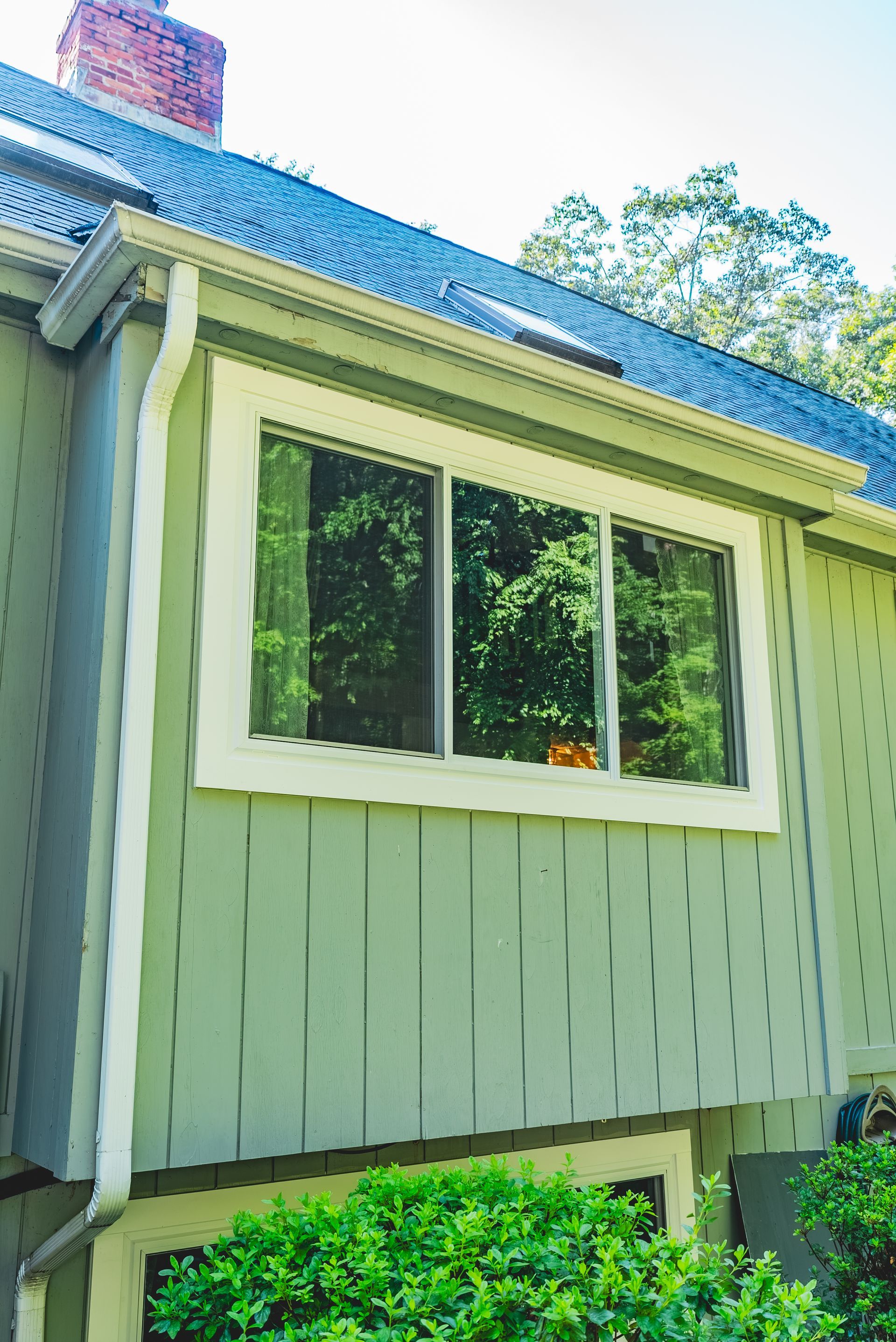
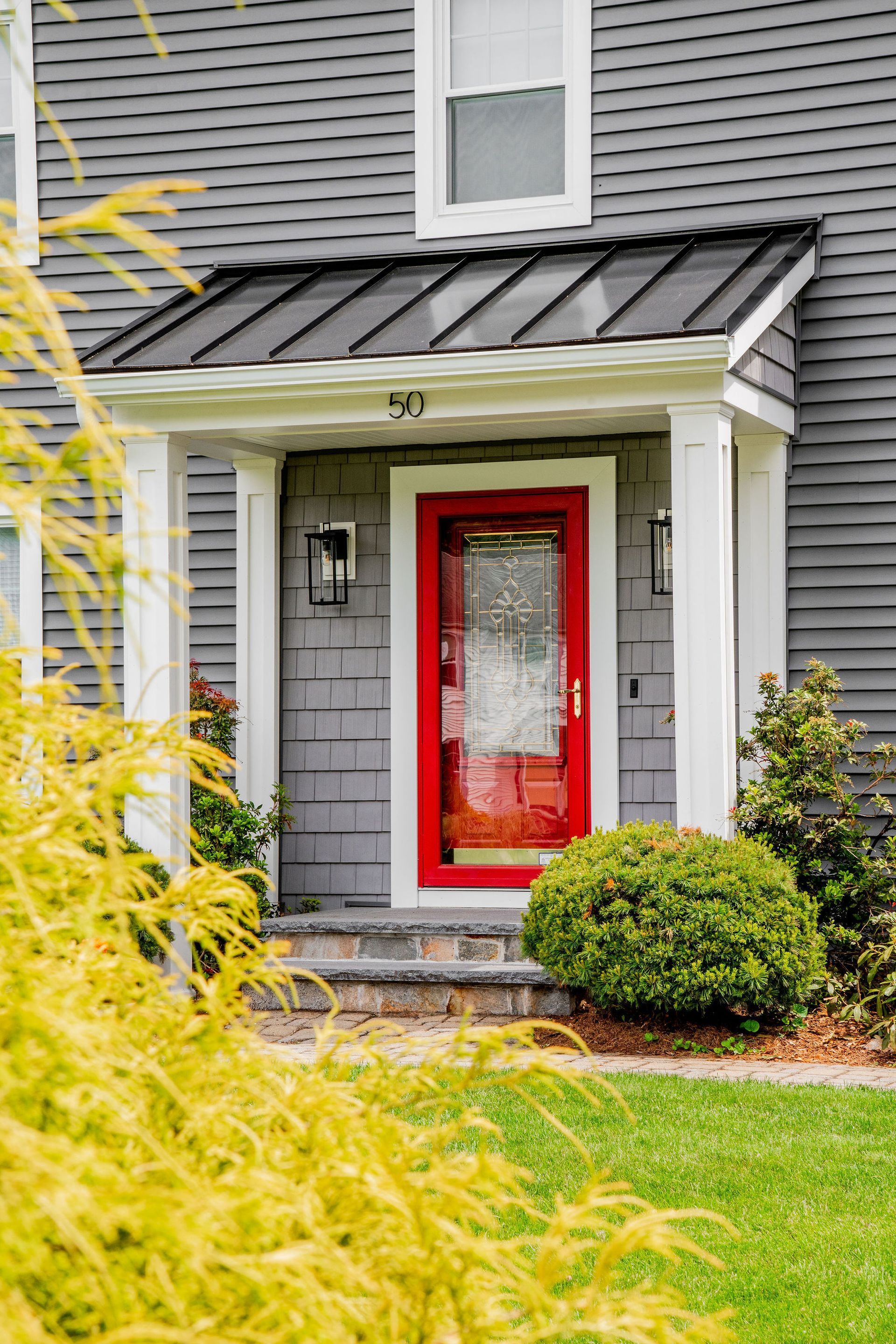
For a more permanent solution, upgrading to energy-efficient replacement windows and doors can dramatically improve your home’s insulation.
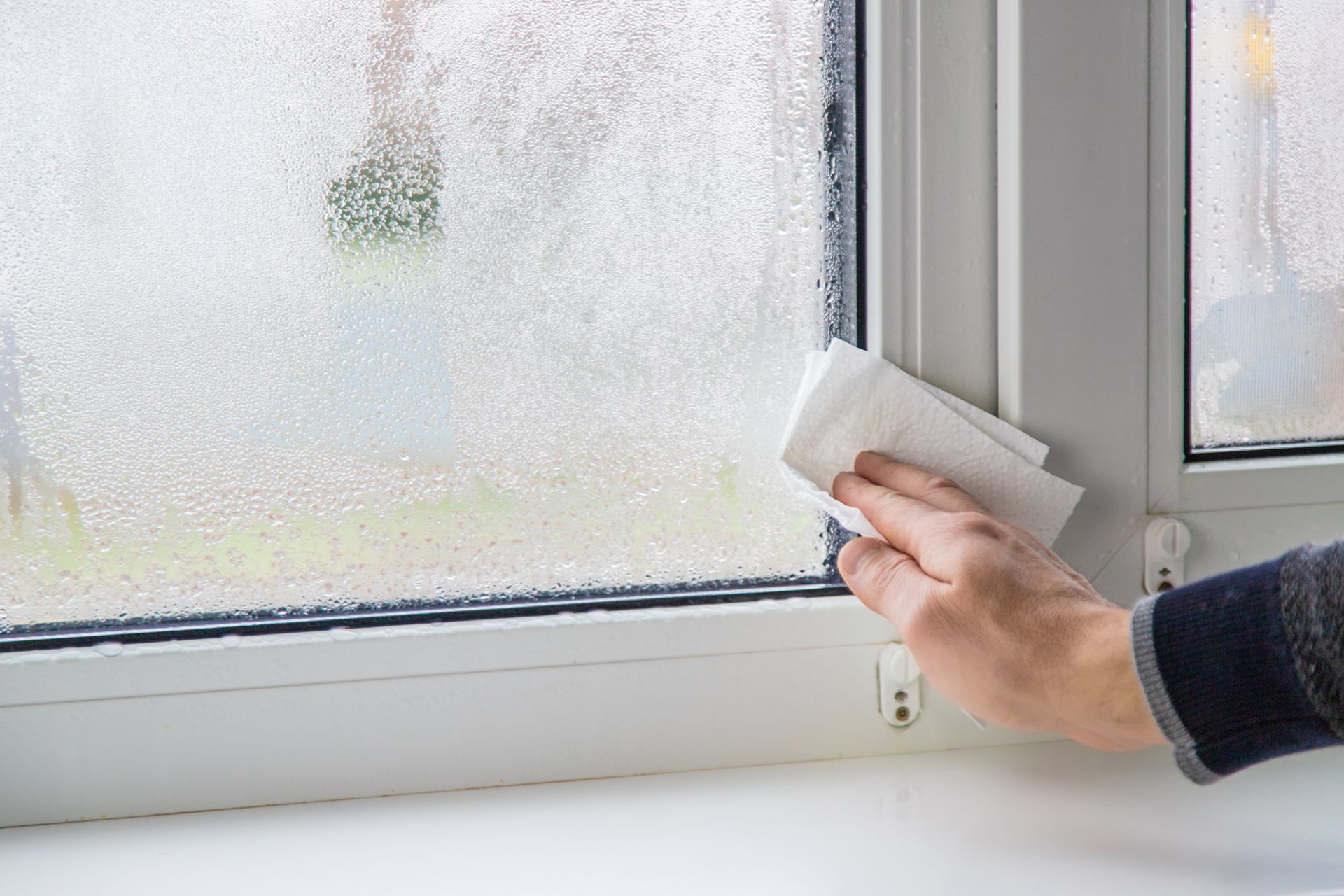
Your windows and doors are often the biggest culprits for heat loss. If you notice drafts or condensation, it might be time to consider upgrading to insulated windows and doors. Replacement windows and doors from J.C. Tonnotti are designed to enhance your home’s energy efficiency, helping you maintain warmth without overworking your heating system.
Contact J.C. Tonnotti to discuss insulated replacement windows and doors.
Share this post
OTHER BLOG POSTS