Cellar Doors in Connecticut: Replacement Options, Safety, and Waterproofing

If you're searching for cellar doors CT options, you're probably dealing with a real problem; rust, leaks, sticky doors, or a basement entry that just doesn't feel safe. This guide is written from the viewpoint of a Connecticut exterior team that works on cellar door installation and basement door replacement. We see the same trouble spots again and again in New England homes. You'll get clear answers first, then more detail so you can make the right call for your home.
Why Cellar Doors Matter for Connecticut Homes
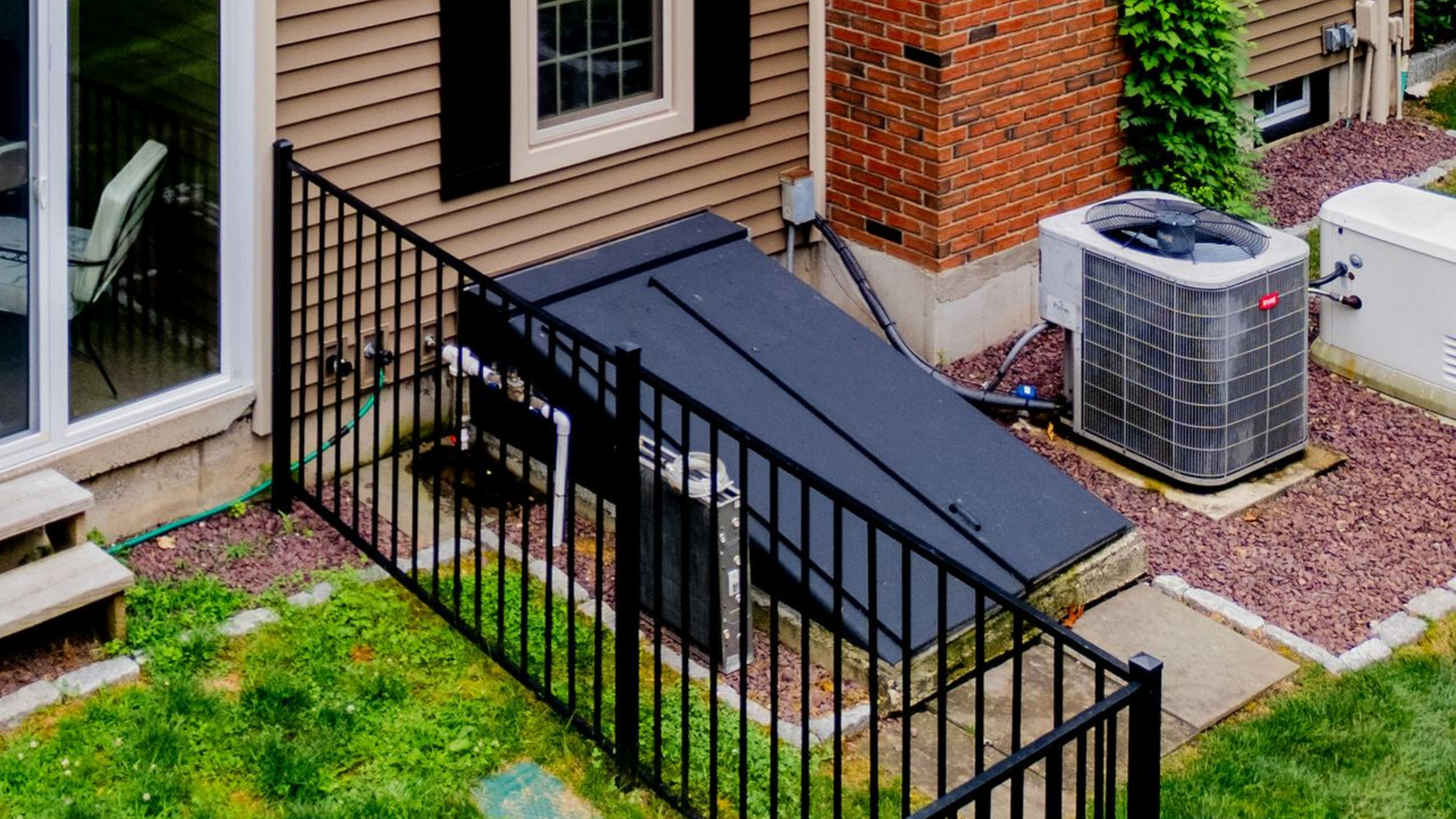
A cellar door does more than cover a basement stairwell. It protects your home from weather, water, and unwanted entry. In CT, that matters even more because we get heavy rain, snow melt, freeze-thaw cycles, and humid summers.
Functional Basement Access
Many homes rely on basement entry doors for everyday use, like:
- Moving bulky items in and out
- Accessing a laundry area or storage
- Reaching utilities for service
When doors are bent, too heavy, or off-track, the whole entry becomes a hassle. A good set of bulkhead doors CT homeowners can rely on should open smoothly and close tight.
Protection from Weather and Water Intrusion
A basement hatch door sits low to the ground. That makes it a target for runoff, pooled water, and wind-driven rain. A poor seal can send water right toward your foundation entry. Over time, that can lead to damp basements, musty odors, and damage around the entry.
Enhancing Home Safety and Security
Old cellar doors often have weak latches, gaps at the edges, and slippery steps. A secure, well-fitted door helps protect your home and reduces fall risk at the basement stairs. If your basement is used often, safety upgrades can make a big difference.

Common Problems with Aging Cellar Doors
Most cellar door issues start small. Then they get worse each season. Catching problems early can help you avoid larger repairs later.
Rust and Corrosion in Metal Doors
Steel cellar doors are common in Connecticut, but moisture is tough on metal. Rust often shows up:
- Along seams and corners
- Around hinges and hardware
- Near the bottom edges where water sits
Once rust eats through the metal, patching is rarely a long-term fix. At that point, replacement is usually the safer option.
Water Leaks and Poor Sealing
Leaking cellar doors are one of the top reasons homeowners look for cellar door repair CT services. Leaks often happen because of:
- Worn door seals for cellar entries
- Warped doors that don't sit flush
- Gaps where the door meets the concrete curb
- Bad flashing or missing waterproof details
Even a small gap can let in a lot of water during a hard storm. Learn more about protecting your home from winter water damage.
Outdated Designs That Don't Meet Modern Safety Codes
Some older basement entry doors are heavy, hard to open, or lack safe hardware. You may also have steep stairs, poor lighting, or no solid handrail. While codes vary by town and situation, modern doors and safer entry layouts can reduce risk, especially if kids, older adults, or service pros use the entry.
Structural Damage to Concrete Surrounds
The concrete "curb" and sidewalls around a bulkhead can crack or shift. This can happen from:
- Freeze-thaw cycles
- Settling soil
- Water pressure and poor drainage
When concrete is damaged, the door frame may twist, seals can fail, and leaks can get worse. Sometimes the concrete needs repair before a new door can be installed correctly.
Replacement Options for Cellar Doors in CT
If your doors are leaking, rusted through, or unsafe, basement door replacement CT homeowners choose usually comes down to fit, material, and how the entry is built.
Standard vs Custom-Fit Cellar Doors
Standard doors work well when the opening is a common size and the concrete curb is in good shape. Custom cellar doors may be a better fit when:
- The opening is an odd size
- The entry is angled or unusually steep
- The curb is not square
- You want a tighter seal and cleaner look
Custom-fit doors can also help reduce gaps that lead to water problems.
Bilco and Other Popular Door Brands
Many homeowners ask about Bilco doors because they're common and widely available. The "right" brand depends on the opening, the site conditions, and what you need most, like durability, easier opening, or better weather resistance. The best choice is one that fits well and can be installed with proper sealing and drainage.
Choosing Between Steel and Other Materials
Steel is popular because it's strong and can handle harsh weather. But material choice should match your needs:
- Steel cellar doors: strong and long-lasting when sealed and maintained
- Other materials or coatings: may resist corrosion better in certain conditions
No matter the material, the install details matter most. A great door can still leak if it's not sealed and flashed correctly.
Pre-Fabricated vs Site-Built Installations
Pre-fabricated basement doors are often faster to install when the opening is standard and the curb is solid. Site-built or custom work may be needed when:
- The curb needs rebuilding
- The entry has non-standard angles
- You want added waterproofing upgrades
The goal is a door that fits tight, drains well, and holds up for years.
Key Safety Features to Look For
A cellar door should be safe every time you use it, day or night, summer or winter.
Locking Mechanisms and Intrusion Prevention
Security starts with solid hardware. Look for:
- Strong latch or locking options
- Tight fit at the edges to reduce pry points
- Durable hinges and fasteners
If your basement entry is near a driveway or sidewalk, security matters even more.
Code-Compliant Egress Solutions
Some basements need safe exit paths depending on how the space is used. If your basement is finished or used as living space, egress rules can apply. A professional can help you understand what's required for your town and your setup, and whether your bulkhead entry supports a safe exit.
Childproof and Pet-Safe Door Options
Old doors can slam shut or pinch fingers. Safety features to consider include:
- Controlled opening supports that hold doors up
- Smooth edges and safer hardware
- Stronger latches that reduce surprise openings
These details are especially helpful if kids or pets are in the yard often.
Anti-Slip Treads and Low-Clearance Design Fixes
Many bulkhead entries have narrow steps and low headroom. You can reduce risk with:
- Anti-slip treads on stairs
- Better lighting near the entry
- Handrails where possible
- Adjustments to improve clearance and flow
A safer entry is not just about the door, it's also about how you move through the space.
Waterproofing Your Basement Entry
Cellar door waterproofing is about controlling water before it reaches the door, and sealing the areas where water likes to sneak in.
Importance of Sealing Around Cellar Doors
Most leaks come from failed seals. A watertight setup often includes:
- New door seals for cellar edges
- Proper contact points where doors close
- Sealing where metal meets concrete
A tight seal helps block wind-driven rain and splashback.
Adding Drainage Solutions and Flashing
Waterproofing also needs a path for water to move away. Helpful upgrades can include:
- Proper flashing details where the door meets the home
- Improved grading so water runs away from the entry
- Drainage at the base of the stairs when needed
If water pools at the bottom, even a good door will struggle. For more on basement water issues, read our guide on why your basement won't stay dry.
Rebuilding or Repairing Masonry Surrounds
If the curb is cracked or crumbling, sealing alone won't last. Repairs may include:
- Patch and resurface work
- Rebuilding sections that have shifted
- Resetting the frame for a true, square fit
A solid base helps the doors sit correctly and reduces future leaks.
How Proper Door Design Prevents Leaks
Design matters. Sloped cellar doors and angled basement doors can shed water better than flat, poorly fitted doors. A well-designed system helps:
- Reduce standing water at seams
- Direct runoff away from weak points
- Maintain a tight close over time
When water moves away from the door, your basement stays drier.
What to Expect from a Professional Cellar Door Installation
A proper cellar door installation is more than "swap the doors." It should address fit, safety, and waterproofing as one system.
Inspection and Sizing
A good install starts with measuring the opening and checking:
- The condition of the curb and sidewalls
- Door alignment and clearance
- Signs of leaking cellar doors (staining, rot, rust trails)
- Drainage patterns around the entry
This step helps prevent surprise issues mid-project.
Custom Fabrication if Needed
If the opening is unusual or the curb is out of square, custom cellar doors may be recommended. Custom work can improve:
- Fit and weather resistance
- Smooth operation
- Long-term durability
It can also help if your entry has tricky angles.
Installation Process and Timeline
While every job is different, most installs include:
- Removing the old door and damaged hardware
- Prepping the curb and mounting points
- Setting and securing the new doors
- Testing function, latch, and supports
Some projects also include curb repairs or drainage upgrades, which can add time but improve results.
Post-Install Waterproofing and Finishing
After the door is set, waterproofing details are key. This may include:
- Sealing contact points
- Adding flashing where needed
- Confirming water sheds away from the entry
- Final adjustments for a tight close
This is often the difference between "new doors" and "a dry basement entry."
Why Choose a Local Connecticut Contractor
For Connecticut basement doors, local experience matters because weather and soil conditions here create common patterns of failure.
Knowledge of New England Weather Conditions
Local pros understand what snow, ice, and spring rain do to bulkhead areas. They'll look for:
- Freeze-thaw damage at the curb
- Rust patterns from salty splashback
- Water flow issues from melting snow piles
That leads to better recommendations, not just a quick swap.
Experience with Local Building Codes and Foundations
Homes in CT range from older stone foundations to newer poured concrete. Each one affects how the entry is built and sealed. A contractor familiar with local foundations can plan the right approach for your home.
Faster Service and Reliable Warranty Support
If something needs an adjustment after install, local support is easier. That matters for basement entry doors that get daily use and take a lot of weather exposure.
Is It Time to Replace Your Cellar Door?
If you're on the fence, these signs can help you decide.
Signs It's Time for an Upgrade
You may be ready for replacement if you notice:
- Water coming in during rain or snow melt
- Rust holes, weak spots, or doors that flex
- Gaps at the edges, even after sealing attempts
- Doors that are hard to open or won't stay up
- Concrete damage that's pushing the frame out of place
When you see more than one of these, replacement usually makes more sense than repeated repairs.
Benefits of Modern Cellar Door Systems
A modern system can offer:
- Better weatherproof cellar doors with tighter seals
- Stronger security and safer hardware
- Smoother operation and easier opening
- Improved curb fit that supports waterproofing
For many homeowners, the biggest win is peace of mind, especially during heavy rain and winter melt.
Take Action Before the Next Storm
A good cellar door should be secure, safe to use, and built to keep water out. If your current doors are rusted, leaking, or difficult to operate, it's worth taking a closer look now, before the next storm turns a small issue into a bigger repair. Inspect your entry, check for gaps and concrete damage, and consider whether a modern, weather-tight upgrade is the smarter long-term move for your Connecticut home.
Ready to upgrade your cellar door? Explore our cellar door services or contact us to schedule an inspection and get a custom solution for your home.
Frequently Asked Questions About Cellar Doors
How long do cellar doors typically last in Connecticut?
Steel cellar doors can last 15-25 years in Connecticut if properly maintained, but harsh weather accelerates wear. Salt exposure from winter roads, freeze-thaw cycles, and constant moisture can cause rust and seal failure much sooner, sometimes within 10 years. The concrete surround may also crack over time, affecting door fit. Regular inspection and occasional resealing can extend lifespan, but once rust penetrates the metal or the frame warps, replacement is usually more cost-effective than ongoing repairs.
Can I install a cellar door myself, or do I need a professional?
Simple door replacements on standard openings with solid, square curbs can be DIY projects if you're comfortable with basic tools and heavy lifting. However, professional installation is recommended when the concrete surround needs repair, the opening is non-standard, drainage improvements are needed, or waterproofing details are critical. Poor installation can lead to persistent leaks, safety issues, and voided warranties. If your basement floods or you're dealing with structural damage, a professional assessment is the safer choice.
What's the best way to prevent water from leaking around my cellar door?
Prevention starts with proper installation: tight door seals, correct flashing where the door meets the foundation, and a well-fitted frame. Beyond that, ensure water drains away from the entry by grading the soil to slope away from the door, keeping gutters and downspouts clear, and adding drainage at the base of the stairs if water pools there. Inspect seals annually and reseal as needed. If water still gets in, the concrete curb may be cracked or the door may be warped, both require repair or replacement.
Are Bilco doors the only option for cellar door replacement in CT?
No. While Bilco is a popular and widely available brand, it's not the only option. Other manufacturers offer similar products, and custom-fabricated doors may be a better fit for non-standard openings or when you need specific features like enhanced security, improved insulation, or corrosion-resistant materials. The best choice depends on your opening size, site conditions, budget, and performance needs. A local contractor can help you compare options based on what works best for your home.
Do cellar doors need to meet building code requirements?
It depends on how your basement is used. If your basement is unfinished storage space, cellar door codes are typically minimal. However, if your basement is a finished living area or bedroom, egress codes may apply, requiring a safe, code-compliant exit route in case of emergency. Some towns also have specific requirements for door strength, locking mechanisms, and stair safety. A professional installer familiar with Connecticut building codes can assess your situation and ensure your cellar door meets local requirements.
Share this post
OTHER BLOG POSTS