Average Cost to Replace Windows in 2026

At J.C. Tonnotti Window Company, we've been installing replacement windows across Connecticut homes since 1979. Our family-owned team has handled thousands of projects, from small cape homes to large colonials, so we see real pricing every day, not just what a national cost guide says. In this guide, we'll walk through the average cost to replace windows, what drives prices up or down in CT, and what you can realistically expect to pay.
For most homeowners in Connecticut, standard vinyl replacement windows typically cost about $600–$1,200 per window installed. Higher-end materials and complex projects can push that to $1,500+ per opening. For a typical home with 15–20 windows, that often means a total project range of about $9,000–$24,000, depending on choices and home conditions.
What Is the Average Cost to Replace Windows?
National Average Cost Overview
Across the U.S., many homeowners see average window replacement costs around $300–$1,200 per window, with a national "middle" number in the $600–$750 range for standard sizes and basic options.
Those prices can look lower than what you hear in New England because they blend in lower-cost regions and basic builder-grade products.
Cost Range Per Window Installed
Here in Connecticut, labor and material costs run higher than in many parts of the country. A realistic per-window range is:
- Budget vinyl insert windows: about $600–$800 per window installed
- Mid-range vinyl or composite windows: about $800–$1,200 per window installed
- Higher-end wood or fiberglass, or full-frame installs: about $1,100–$1,900+ per window
Your actual price will fall somewhere in this range based on the factors below.
Key Factors That Impact Window Replacement Costs
Window Type and Style
Simple styles like single-hung or double-hung windows usually cost less. Specialty shapes, bays, bows, and large picture windows use more glass and framing, so the price per window goes up.
Frame Material (Vinyl, Wood, Aluminum, etc.)
- Vinyl:
Most common and typically the best value in CT
- Wood: Beautiful and warm-looking, but usually more expensive
- Aluminum: Less common in our climate; often used in commercial settings
- Fiberglass/Composite: Strong and efficient, but usually at the higher end of the price range
Glass Type and Energy Efficiency
Double-pane glass with low-E coatings and gas fills costs more than basic clear glass, but it can help with comfort and energy bills, important in our cold winters and humid summers. Learn more about how much new windows save on energy.
Labor and Installation Complexity
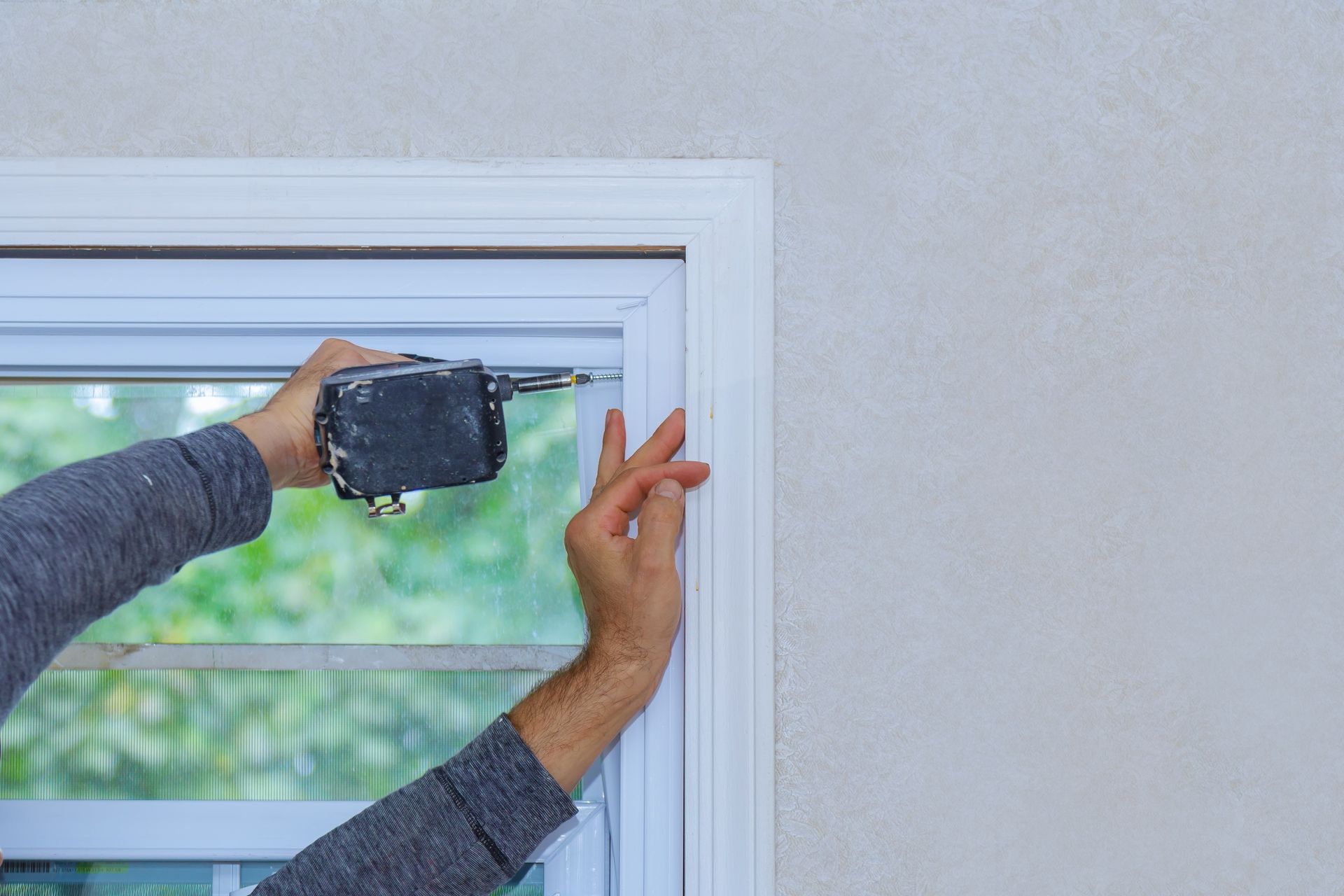
Full-frame replacements, rotten wood repairs, tricky access (like third-floor windows or steep roofs), and historic trim all add labor time. That extra work shows up in the quote. Our commitment to quality installation ensures your investment is protected.
Number of Windows Being Replaced
The more windows you replace at once, the better your per-window pricing usually is. Crews are already on site, so they can work more efficiently on a whole-home project than on a one-window repair.
Window Size and Customization
Oversized openings, custom colors, grids, hardware upgrades, and unusual specialty shapes all add to the material cost.
Geographic Location
Even within Connecticut, labor costs can vary slightly by region. Urban and coastal areas may run higher than some rural towns, but the difference is usually modest compared to material choices. We serve communities throughout central Connecticut including Waterbury, Bristol, Cheshire, and surrounding areas.
Window Replacement Cost Breakdown
Cost Per Window Type
On a typical CT project, a standard double-hung vinyl replacement window is usually on the lower end of the range. Large bay, bow, or specialty windows can cost several times more than a standard opening because they include multiple units plus extra framing and finish work.
Labor Costs
Labor often represents 30–50% of the total price. That covers the crew, trucks, insurance, tools, and the time needed to remove old windows, install new ones, insulate, trim, and clean up.
Additional Costs (Disposal, Permits, Repairs)
- Removal and disposal of old windows
- Fixing damaged sills or framing
- Possible permits in some towns
A detailed quote should spell these out so there are no surprises.
Average Cost by Window Type
Double-Hung Windows
These are the most common replacement windows in Connecticut. Expect them to fall near the average cost to replace windows range on your quote, especially in vinyl. Learn more about double-hung windows.
Casement Windows
Casements seal very tightly and are popular for catching breezes. They usually cost slightly more than double-hung windows because of their hardware and operating arms. Explore our casement window options or learn how to replace a casement window.
Bay or Bow Windows
Bay and bow windows combine several units and extend out from the home. They bring in light and add curb appeal but are among the most expensive windows to install. Discover the difference between bow and bay windows and the pros and cons of installing bay windows.
Picture Windows
Large fixed picture windows use a lot of glass but have no moving parts. They can be mid-priced or high-priced depending on size and framing.
Sliding Windows
Sliders are often used for wide openings. Pricing is typically similar to or a little above double-hung windows of the same size. View our rolling window options.
Custom or Specialty Windows
Arched, geometric, or custom-shaped windows are made to order, so they sit at the top end of the cost range.
Average Cost by Frame Material
Vinyl Windows
Vinyl is the go-to choice for many CT homeowners because it offers a strong balance of price, performance, and low maintenance. Most "average" cost ranges on this page assume vinyl frames. Read about how long vinyl windows last in Connecticut and whether vinyl windows warp in heat or over time.
Wood Windows
Wood offers a classic look and can be stained or painted, but it needs more maintenance and usually costs significantly more than vinyl.
Aluminum Windows
Aluminum is lightweight and durable but not as energy efficient in our climate. It's more common in commercial projects than in CT homes.
Fiberglass Windows
Fiberglass frames are very strong and stable, with great energy performance. They tend to fall in the premium price category.
Composite Windows
Composite frames blend materials (for example, wood fiber and vinyl) for strength and durability. Pricing is similar to or slightly above high-end vinyl.
Average Cost by Home Type or Region (If Applicable)
Single-Family Homes vs. Condos
Single-family homes often have more windows and larger openings, which means higher total project cost but sometimes better per-window pricing. Condos and townhomes may have fewer windows but can involve association rules that affect timing and style choices.
Urban vs. Suburban Areas in Connecticut
Suburban areas with lots of similar colonial or ranch homes often see very predictable pricing. City properties or older neighborhoods may need more custom work, which can add cost.
Regional Labor Differences
Labor rates can vary a bit by region, but in Connecticut the bigger price differences usually come from product choices and scope, not from town-to-town labor swings.
How to Get the Best Value on Window Replacement
Comparing Quotes from Local Installers
Get at least two or three detailed quotes from established window replacement companies in CT. Compare:
- Window brand and series
- Frame material and glass package
- Installation method (insert vs. full-frame)
- Warranty and service
Make sure you're comparing apples to apples, not just looking at the lowest number. We're proud to offerHarvey windows, known for quality and reliability in New England.
Rebates, Tax Credits, and Incentives
Energy-efficient windows can sometimes qualify for rebates or tax credits. Ask installers what programs are available this year and whether the products they recommend will qualify. Check our current offers for available promotions.
Long-Term Savings from Energy Efficiency
Better windows can help cut drafts, improve comfort, and reduce heating and cooling loss. That won't always "pay back" the full cost, but it can soften your utility bills over time and make your home feel better year-round. Explore 3 CT home improvement projects to boost energy efficiency.
When to Replace Your Windows
Signs You Need New Windows
You may be ready for replacement windows if you notice:
- Cold drafts or hot spots near windows
- Condensation or fog between the panes
- Soft, rotten, or cracked frames
- Windows that stick, won't lock, or won't stay open
- Higher energy bills compared with similar homes
Learn more about how often vinyl windows need to be replaced.
Timing for Seasonal Discounts
Many homeowners in Connecticut schedule window projects in spring or fall. Some companies may offer off-season incentives in slower months, so it's worth asking if timing is flexible.
Frequently Asked Questions About Window Replacement Costs
What's included in the per-window installation cost?
A complete per-window price should include the window itself, all necessary hardware and weatherstripping, professional removal of your old window, proper installation with insulation and air sealing, interior and exterior trim work, and cleanup. At J.C. Tonnotti, we provide detailed quotes that break down exactly what's included so you know there won't be surprise charges. Be wary of quotes that seem too good to be true, they may exclude disposal fees, trim work, or necessary repairs that will add hundreds per window later.
How much does replacing all windows in a typical Connecticut home cost?
Most Connecticut homes have 15-20 windows, putting total replacement costs between $9,000-$24,000 for quality vinyl windows professionally installed. A modest cape or ranch with 10-12 windows might run $6,000-$14,000, while larger colonials with 25+ windows can reach $30,000-$45,000. Your final cost depends heavily on window sizes, styles (standard vs. specialty), frame materials, glass packages, and any structural repairs needed. The best way to get an accurate number is to schedule an in-home consultation where we can measure your specific openings and discuss your goals.
Is it worth spending more on premium windows or should I stick with budget options?
In Connecticut's harsh climate, mid-to-premium vinyl windows typically offer the best value. Budget builder-grade windows may save you $200-300 per window upfront, but they often have thinner frames, basic glass, and cheaper hardware that leads to problems within 10-15 years. Premium windows with reinforced frames, quality glass packages, and better seals can last 25-30+ years while providing superior energy efficiency and comfort. For most homeowners, the middle-to-upper range represents the sweet spot, you get durability and performance without overpaying for features you won't fully utilize.
Can I replace just a few windows now and do the rest later?
Yes, though you'll typically pay more per window on smaller projects since installers can't work as efficiently. If budget is tight, prioritize south and west-facing windows (most heat gain/loss), bedrooms where comfort matters most, or any windows showing obvious failure like condensation between panes. Just know that if you replace windows in phases over several years, you may face price increases on materials and labor, and newer windows will look noticeably different next to older ones. Many homeowners find that financing a complete project delivers better value than piecemeal replacements.
Do window replacement costs include fixing rotted wood or other repairs?
Standard window replacement quotes typically assume your existing frames and surrounding structure are in decent condition. If installers discover rotted sills, damaged framing, or structural issues once old windows are removed, repairs will cost extra, usually $100-400 per window depending on severity. Reputable companies will assess your windows before quoting and flag potential concerns, but some damage only becomes visible during removal. This is why working with experienced, honest installers matters, they'll tell you upfront if repairs are likely and won't leave you with incomplete work or surprise bills.
Final Thoughts on Window Replacement Costs
The average cost to replace windows in Connecticut depends on your home, goals, and product choices, but most homeowners can expect roughly $600–$1,200 per window for quality vinyl replacements with professional installation. Understanding the factors above will help you read quotes with confidence and choose the right balance of cost, performance, and curb appeal.
Ready to see real numbers for your own home, not just averages? Reach out to schedule a no-pressure window replacement estimate in CT. A local specialist can look at your existing windows, explain your options, and give you a clear written quote so you can decide what works best for your budget and your home. Read what our customers say about working with J.C. Tonnotti.
Share this post
OTHER BLOG POSTS