Types of Replacement Windows for Connecticut Homes (And Which Are Worth It)

Homeowners across Connecticut often face the challenge of choosing the right replacement windows, not just for looks, but for comfort, energy efficiency, and long-term value. At J.C. Tonnotti, we've been serving Connecticut homeowners for over two decades with expert window installations tailored to New England's unique climate. Our team is licensed, certified, and experienced in helping customers choose the best windows for their homes, so you can trust this guide to be practical, informative, and written by professionals who do this every day.
Why Your Window Type Matters in Connecticut
Connecticut homes are exposed to everything from freezing winters to humid summers. Choosing the right window type can:
- Improve energy efficiency and lower utility bills
- Increase home comfort year-round
- Boost curb appeal and property value
- Match the architectural style of older and newer homes
Not all windows perform the same, and not all are a smart investment for our region. Below, we break down the most popular window types for CT homes, with insights into which ones are really worth it.

Popular Types of Replacement Windows for Connecticut Homes
Double-Hung Windows
These are among the most common window types in Connecticut. Both the top and bottom sashes move vertically, making them easy to clean and great for airflow.
- Classic look for colonial and traditional homes
- Good ventilation and low maintenance
- Ideal for historic districts and older homes
Learn more about double-hung windows →
Casement Windows
Casement windows are hinged on the side and open outward like a door. They offer excellent energy efficiency due to their tight seal when closed.
- Great for capturing breezes and cross-ventilation
- Perfect for hard-to-reach spots like over kitchen sinks
- Strong seal makes them energy-efficient
Slider Windows
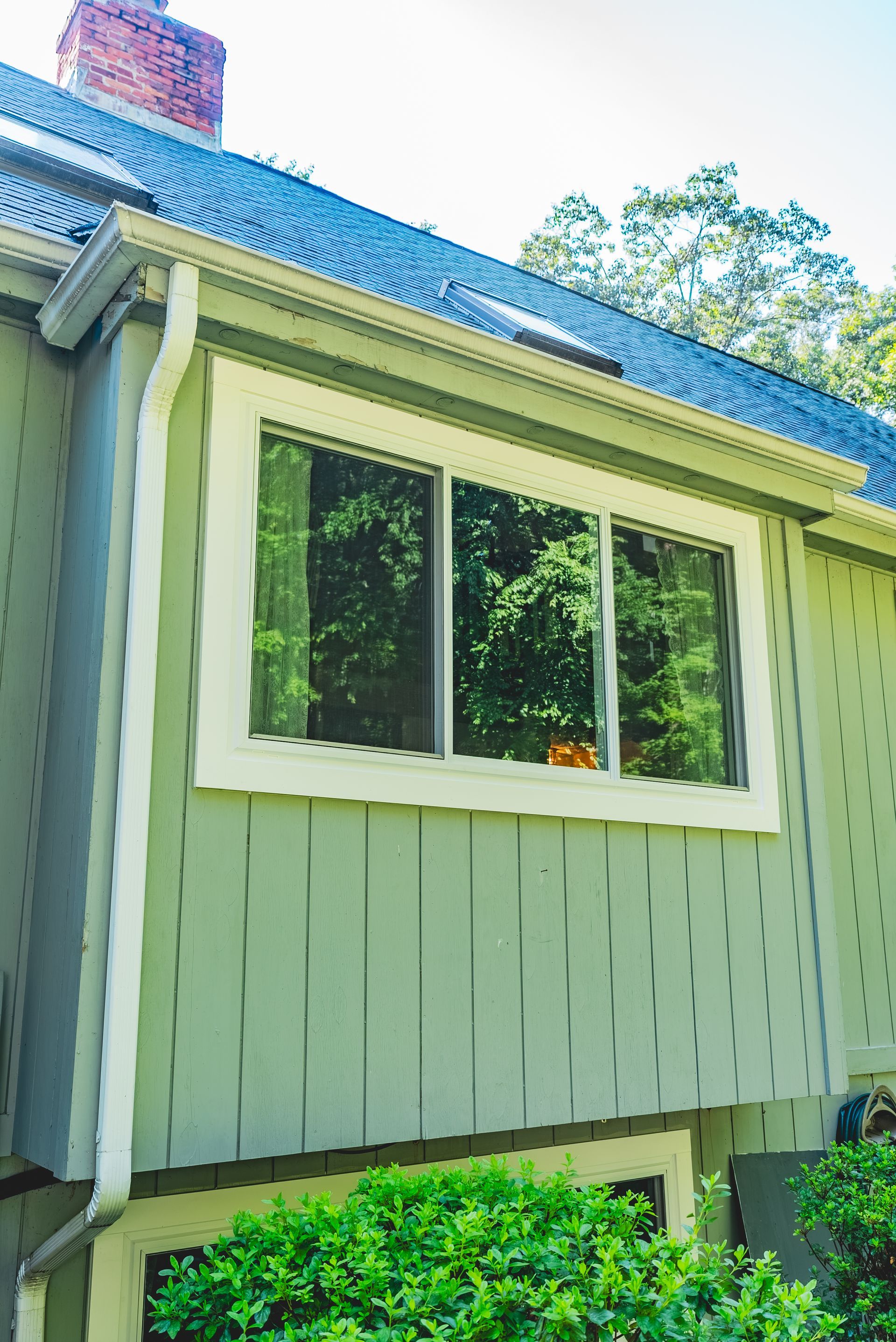
These rolling windows slide open horizontally and work well in spaces where vertical clearance is limited.
- Smooth operation and simple design
- Ideal for modern, ranch-style homes
- Good for wide wall openings
Bay and Bow Windows
These windows project outward from your home and create additional interior space and light.
- Adds depth and dimension to living rooms and front facades
- Offers panoramic views and a spacious feel
- Higher cost, but adds value and curb appeal
Explore bay windows | Explore bow windows
Awning Windows
Awning windows are hinged at the top and open outward, allowing for ventilation even during light rain.
- Great for basements and bathrooms
- Weather-tight seal for energy savings
- Often used above or below larger windows
Picture Windows
Picture windows don't open but offer a clear, unobstructed view. They are ideal for maximizing natural light.
- Best for accent walls or large scenic views
- Excellent insulation and energy efficiency
- Not ideal if you need ventilation
Hopper Windows
Hinged at the bottom and opening inward, hopper windows are compact and typically used in basements.
- Great for small or low wall spaces
- Secure and energy-efficient
- Limited airflow but good for ventilation in tight spots
Garden Windows
These box-like garden windows extend outward and are often placed in kitchens for growing herbs or displaying plants.
- Niche aesthetic appeal
- Provides additional light and shelf space
- Not common, but charming for the right space
Which Window Types Are Actually Worth It in Connecticut?
Not every window type delivers the same value, especially in Connecticut's climate. Here's what matters:
- Energy performance: Look for Energy Star-rated windows with Low-E glass to handle the cold winters and hot summers.
- Material matters: Vinyl and composite windows tend to offer the best value over time in CT's climate, low maintenance, high efficiency.
- Long-term ROI: Double-hung and casement windows offer a great blend of style, function, and affordability, making them some of the most popular and "worth it" choices for CT homeowners.
- Style vs. savings: While bay and bow windows are beautiful, they may not be worth the cost unless you're looking for a design statement.
Key Factors to Consider Before Choosing a Window Type
Before you decide, make sure to weigh these factors:
- Building codes and HOA rules: Some areas require certain window styles for consistency or safety.
- Your home's age and architecture: Choose windows that enhance your home's design, not clash with it.
- Installation method: Full-frame replacements are more involved (and more expensive) than insert replacements, but necessary if the frames are damaged.
- Maintenance and durability: Some windows require more upkeep than others. Consider how much time and energy you want to spend.
Take the Next Step Toward a More Comfortable Home
Choosing the right replacement window isn't just about price, it's about performance, value, and peace of mind. At J.C. Tonnotti, we help Connecticut homeowners every day find the perfect fit for their home and budget. Whether you're considering double-hung, casement, or something custom, our experts are here to help you make a confident, informed choice.
Frequently Asked Questions
What is the most energy-efficient window type for Connecticut homes?
Casement windows typically offer the best energy efficiency because their sash presses directly against the frame when closed, creating an airtight seal. However, any window type can perform well if it's Energy Star-rated with double or triple-pane glass and Low-E coating, essential features for handling Connecticut's temperature extremes.
How long do replacement windows last in Connecticut?
Quality vinyl or composite replacement windows typically last 20–30 years in Connecticut's climate when properly installed and maintained. Factors like material quality, installation workmanship, and exposure to harsh weather can affect longevity.
Which window type offers the best return on investment?
Double-hung and casement windows consistently deliver the best ROI for Connecticut homeowners. They balance affordability, energy efficiency, and broad aesthetic appeal, making them attractive to future buyers if you decide to sell.
Can I mix different window types throughout my home?
Absolutely. Many Connecticut homes use different window types based on room function and location. For example, casement windows over a kitchen sink, double-hung in bedrooms, and a picture window in the living room. The key is maintaining a cohesive exterior appearance.
Should I choose full-frame replacement or insert windows?
Insert (or pocket) windows fit into your existing frame and work well when the frame is in good condition, they're faster and less expensive. Full-frame replacement removes everything down to the studs and is necessary if there's rot, water damage, or you want to change the window size. A professional assessment can help determine which approach suits your situation.
Share this post
OTHER BLOG POSTS