3 Home Improvement Projects To Boost Energy Efficiency

As the temperature drops, many Connecticut homeowners are looking for ways to save money and boost energy efficiency during the winter months. While there are numerous options, this post will focus on three major home improvement projects:
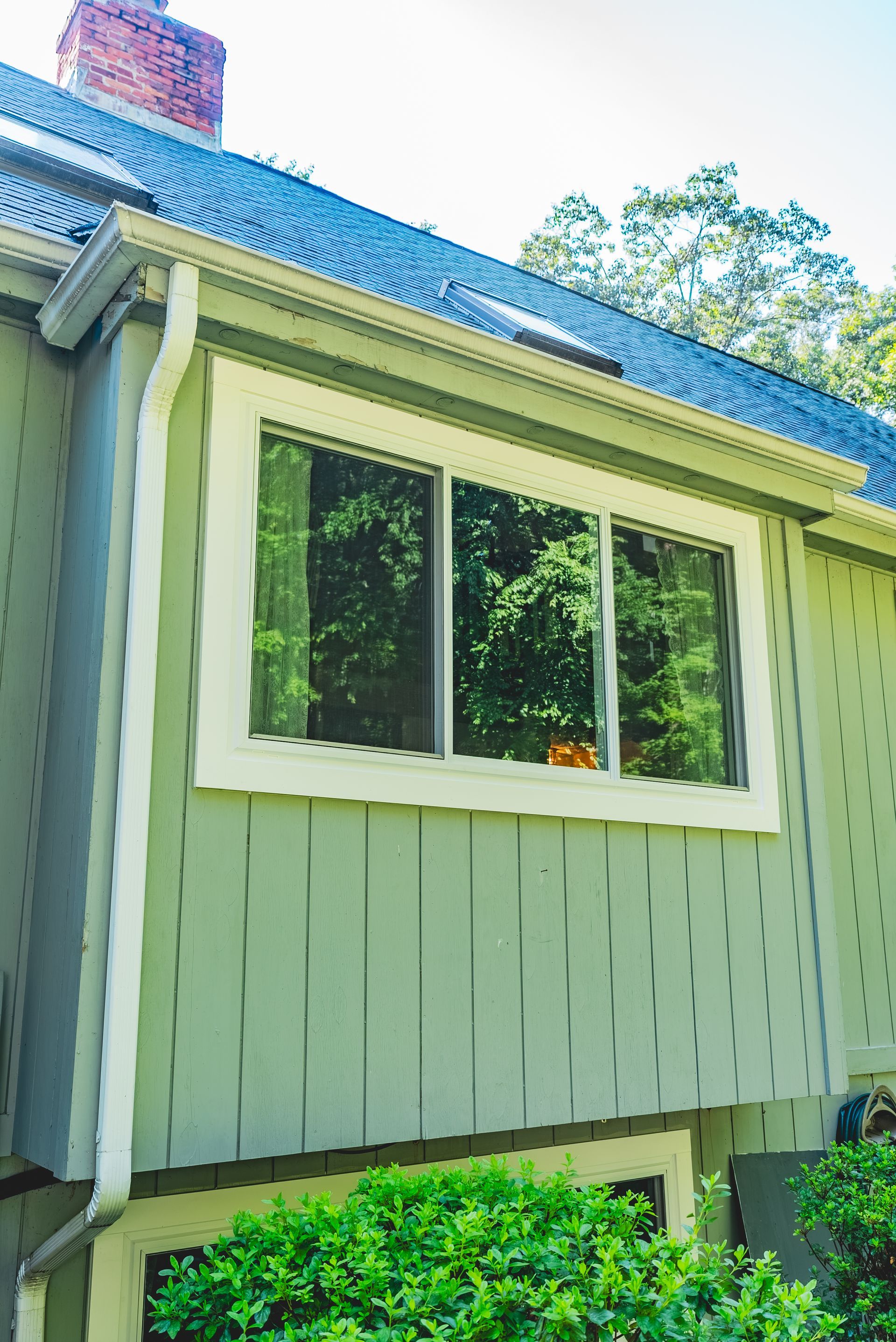
1. Upgrade Your Windows
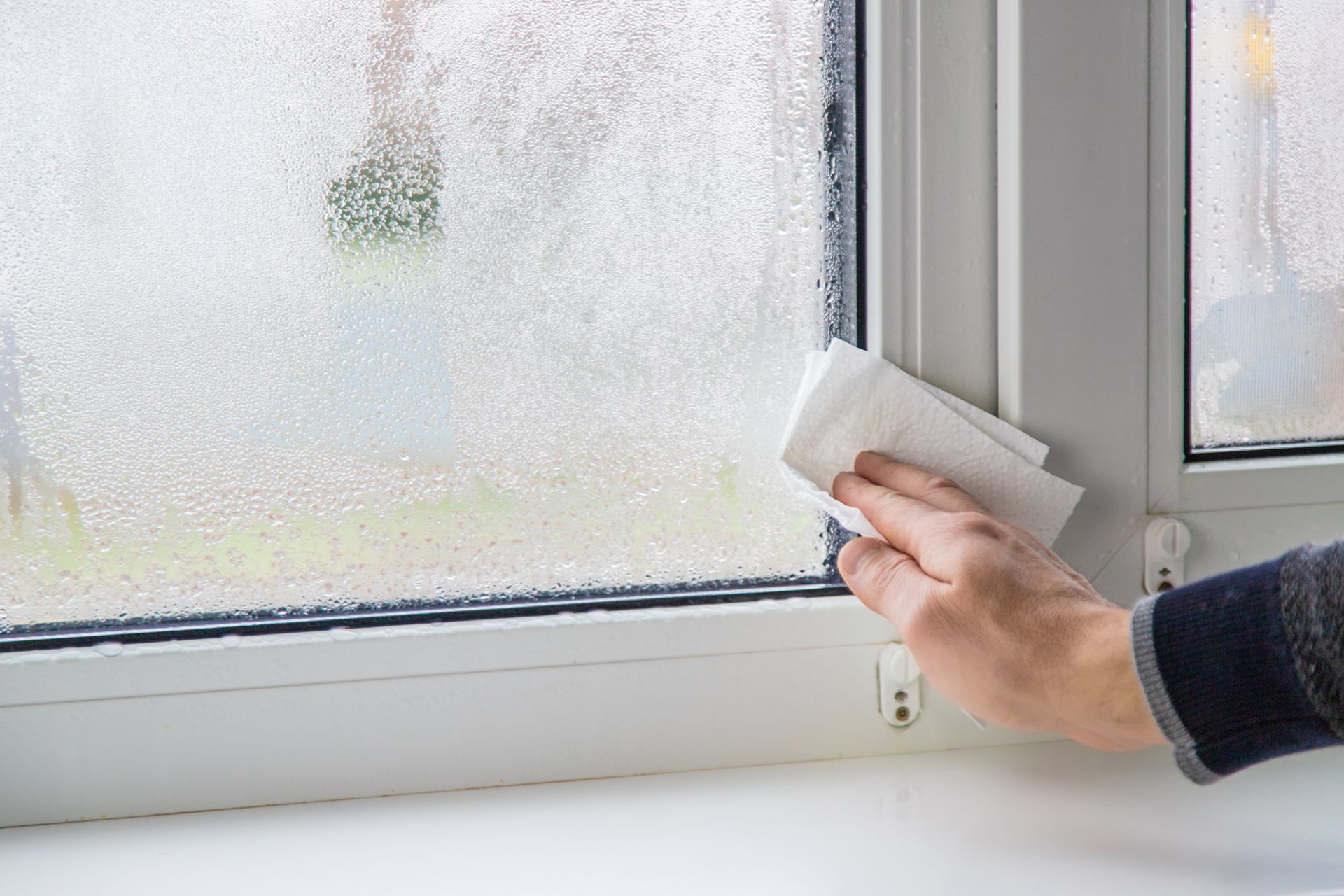
Your windows play a significant role in your home’s energy consumption. Upgrading to high-performance windows can significantly reduce heat loss and gain, leading to lower energy bills.
- Focus on U-factor: This value measures the rate of heat transfer through the window. Lower U-factors indicate better insulation. Aim for windows with U-factors of 0.30 or lower for optimal energy efficiency.
- Prioritize Low-E Coatings: These thin, metallic coatings are applied to the glass to reflect heat back into the room during winter and keep it out during summer. Look for windows with multiple panes of glass, each with Low-E coatings, for maximum efficiency.
- Consider Argon or Krypton Gas Fills: These inert gases are used to fill the space between window panes, further improving insulation.
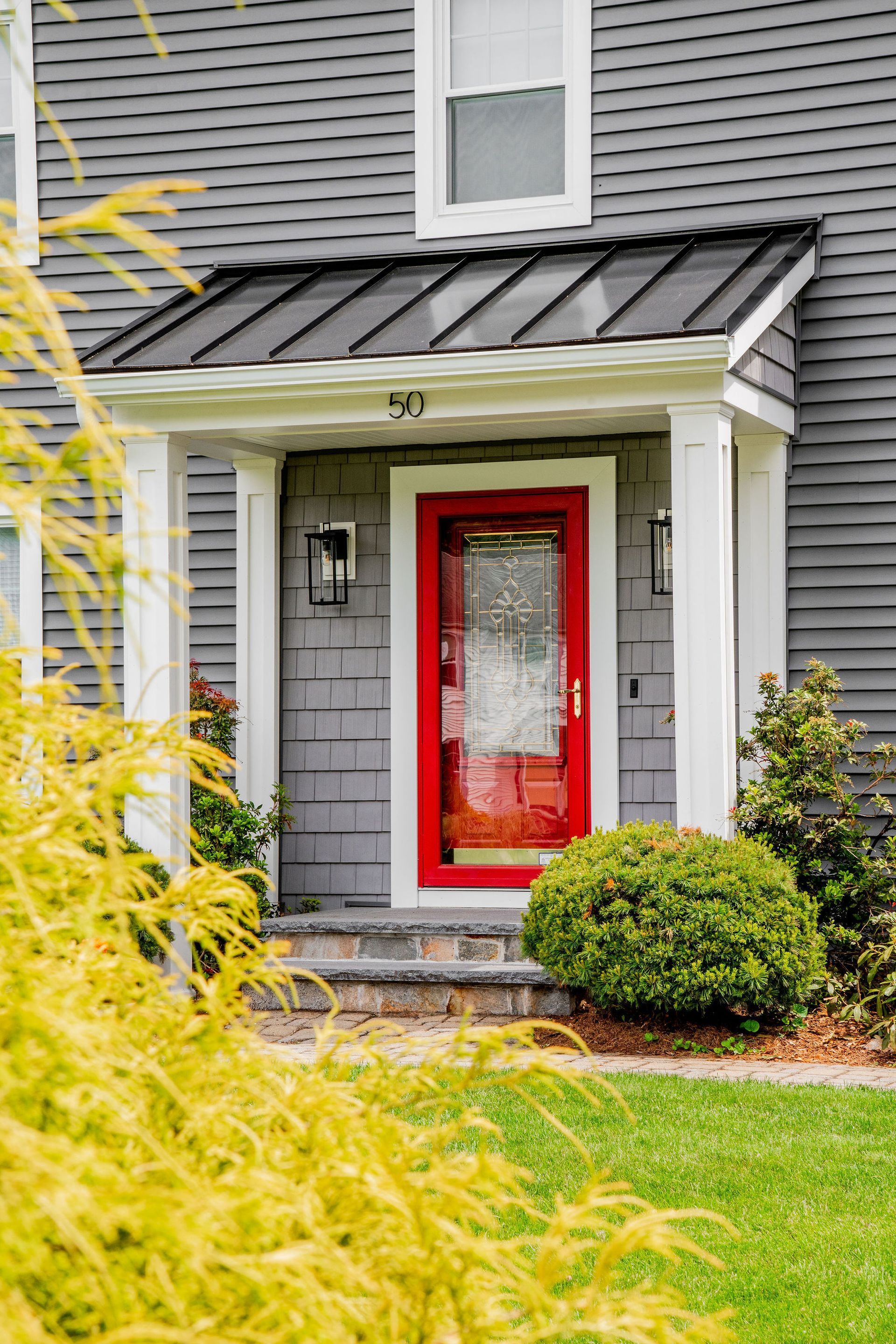
2. Replace Your Entry Doors
Your entry door is another significant source of heat loss. Upgrading to a high-performance door can make a noticeable difference in your energy bills.
- Choose Fiberglass or Steel: These materials offer superior insulation compared to wood.
- Look for Insulated Cores: High-quality doors feature insulated cores that minimize heat transfer.
- Prioritize Weather-Stripping: Ensure the door features multiple layers of weather-stripping to create a tight seal and prevent drafts.
3. Install Insulated Vinyl Siding
Insulated vinyl siding offers a combination of aesthetics and energy efficiency.
- Improved Insulation: The insulation layer within the siding helps to reduce heat transfer through the walls, improving your home’s overall energy efficiency.
- Reduced Drafts: Insulated siding can help to minimize drafts, creating a more comfortable and energy-efficient living environment.
- Enhanced Durability: Vinyl siding is a durable and low-maintenance option that can withstand harsh weather conditions.
The Benefits Beyond Energy Savings
In addition to lower energy bills, these home improvements can also:
- Increase Home Comfort: Improved insulation and reduced drafts create a more comfortable and consistent temperature throughout your home.
- Enhance Home Value: Energy-efficient features are highly sought-after by homebuyers, potentially increasing your home’s resale value.
J.C. Tonnotti can help you select and install the right windows, doors, and siding to improve your home’s energy efficiency and comfort. Contact us today for a free consultation.
Share this post
OTHER BLOG POSTS