Basement Flooding: Why Won’t Your Basement Stay Dry? J.C. Tonnotti Can Help!


Here at J.C. Tonnotti, we’ve been repairing Connecticut homes for years, and unfortunately, we’ve seen our fair share of basement flooding. Recent storms like have wreaked havoc on many basements, but even everyday issues can also lead to a wet, damaged basement.
The bad news is that flooding can strike any basement, new or old.
The good news? In most cases, there’s something you can do to prevent it – and J.C. Tonnotti can help!
3 main culprits behind wet basements
- Water Seeking Entry: Cellar doors and windows are common culprits. Damaged seals or improper grading around your foundation can also allow water to seep in.
- Trapped Water: Downspouts clogged with leaves or debris can send water pooling around your foundation instead of directing it away from your home.
- Failing Drainage: Even with proper grading and sealed openings, basements can still get wet. Sump pumps can be lifesavers, but they need to be working properly.
The Dangers of a Wet Basement
Beyond ruined belongings and musty odors, a wet basement can lead to serious problems:
- Mold and Mildew: Damp environments are breeding grounds for these health hazards.
- Structural Damage: Water can weaken foundation walls and floors over time.
Basement Waterproofing
With a clear understanding of how water entered your basement, there are a variety of solutions to keep it dry for good.
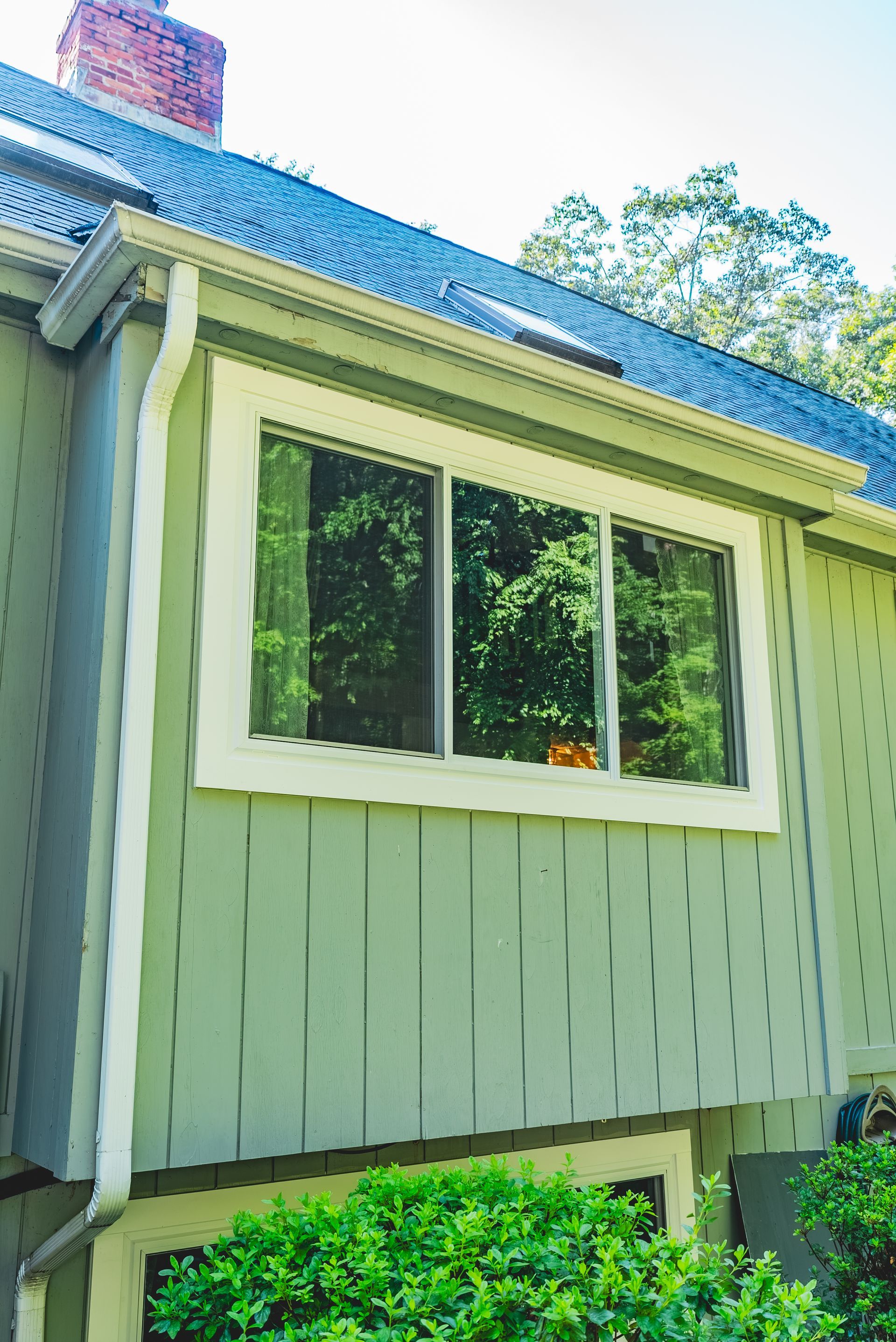
- Door and Window Replacement: J. C. Tonnotti can replace your cellar doors and windows with ones featuring superior sealing to prevent leaks.
- Foundation Waterproofing: Seal cracks and leaks to prevent water intrusion.
- Drainage System Maintenance: Clean clogged downspouts and ensure your sump pump is functioning properly.
- Sump Pump Installation: If you don’t have a sump pump, consider installing one to pump out excess water.
What to Do in a Basement Flood
Time is of the essence! Here are some initial steps:
- Safety First! Turn off electricity to prevent shorts.
- Remove Standing Water: Use a wet-dry vac or buckets to remove as much water as possible.
- Promote Drying: Run fans and dehumidifiers to dry out the space.
- Call J.C. Tonnotti! We can assess the damage and identify the source of the leak.
Don’t Let Your Basement Become a Wasted Space
A dry basement is a usable basement! J.C. Tonnotti can help you transform your damp space into a finished basement, perfect for extra living space, a home gym, or whatever your needs may be. Contact J.C. Tonnotti today for a free consultation! Let’s keep your basement dry and your home safe.
Share this post
OTHER BLOG POSTS